Can Solar Storms That Create Northern Lights Also Disrupt Life on Earth?
Published: 2025-12-07 01:00:31 | Category: technology
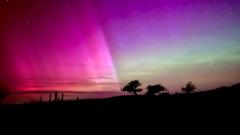
Witnessing the Northern Lights is a breathtaking experience, but the charged particles that create this stunning phenomenon can also lead to severe disruptions on Earth due to solar storms. These storms can affect electricity supplies, satellites, and air travel, as highlighted by recent incidents. Understanding the risks associated with solar activity is crucial for UK citizens, especially as severe space weather becomes a recognised threat in the National Risk Register.
Last updated: 30 October 2023 (BST)
What’s happening now
Recently, the aviation industry faced significant disruption due to a solar storm that caused a JetBlue Airlines Airbus A320 to experience a sudden drop in altitude. This incident, which resulted in injuries to passengers, prompted Airbus to ground over 6,000 planes for software updates to prevent similar occurrences. Such events underline the potential for solar storms to impact modern technology and infrastructure, raising awareness about the importance of monitoring space weather.
Key takeaways
- Solar storms can disrupt aviation, electricity supplies, and satellite operations.
- The recent grounding of 6,000 planes highlights the dangers posed by space weather.
- The Carrington Event of 1859 serves as a historical benchmark for potential solar storm impacts.
Timeline: how we got here
Understanding the risks associated with solar storms requires examining past events and current trends. Here’s a brief timeline of significant occurrences:
- 1859: The Carrington Event, the most intense geomagnetic storm recorded, causes widespread disruptions in telegraph systems.
- 1989: A solar storm causes a power outage in Quebec, leaving millions without electricity for nine hours.
- 2012: A Carrington-class solar storm narrowly misses Earth, indicating the potential for devastating impacts if a similar event were to directly strike the planet.
- October 2025: A JetBlue Airlines Airbus A320 experiences a sudden altitude drop linked to solar activity, leading to a grounding of thousands of aircraft.
What’s new vs what’s known
New today/this week
The recent grounding of 6,000 Airbus planes due to a solar storm incident has brought heightened attention to the implications of space weather for aviation safety. The event underscores the need for robust systems to mitigate risks from solar activity.
What was already established
Historically, severe solar storms have been known to cause extensive disruptions, as seen during the Carrington Event and the Quebec power outage. Research into the potential for future events, including Miyake events, suggests that the risks could be even more significant than previously understood.
Impact for the UK
Consumers and households
Severe space weather poses risks that could lead to power outages and disruptions in communication services. Such incidents could impact daily life for households reliant on technology for heating, lighting, and connectivity.
Businesses and jobs
Industries dependent on satellite data, such as agriculture and logistics, could face operational challenges during solar storms. Businesses may need to invest in resilience strategies, including backup systems and enhanced monitoring of space weather.
Policy and regulation
The UK government includes the threat of space weather in its National Risk Register, emphasising the importance of preparedness and response strategies. Future policies may need to focus on improving infrastructure resilience and ensuring that communication systems can withstand solar-induced disruptions.
Numbers that matter
- 6,000: The number of planes grounded by Airbus after a solar storm incident in October 2025.
- 9: The number of hours millions in Quebec were without power due to a solar storm in 1989.
- 38: The number of satellites lost during a solar storm in February 2022.
Definitions and jargon buster
- Aurora Borealis: A natural light display predominantly seen in high-latitude regions, caused by charged particles from the Sun interacting with the Earth's magnetic field.
- Carrington Event: The most powerful geomagnetic storm on record, which occurred in 1859, causing widespread damage to telegraph systems.
- Miyake Events: Large solar particle events that could potentially exceed the intensity of the Carrington Event, posing significant risks to modern technology.
How to think about the next steps
Near term (0–4 weeks)
Monitoring space weather forecasts will be crucial for both individuals and businesses. Staying informed about potential solar activity can help mitigate risks associated with aviation and power supply disruptions.
Medium term (1–6 months)
Organisations, particularly those in sectors sensitive to solar activity, should review their contingency plans and consider investing in technology upgrades to enhance resilience against space weather impacts.
Signals to watch
- Increased solar activity reports from organisations like NASA or the Met Office.
- Advisories or alerts issued regarding potential disruptions to satellite operations or power grids.
Practical guidance
Do
- Stay updated with space weather alerts and forecasts.
- Review and update emergency plans for households and businesses.
- Consider backup power solutions, particularly for critical infrastructure.
Don’t
- Ignore warnings about potential solar storms, especially if you're in a vulnerable sector.
- Neglect to invest in technology that can withstand electromagnetic interference.
Checklist
- Check for space weather alerts regularly.
- Ensure you have power backup systems in place.
- Review communication plans for your household or business.
Risks, caveats, and uncertainties
While significant advancements have been made in understanding solar storms, uncertainties remain regarding the frequency and impact of future events. The potential for Miyake events remains largely theoretical, and more research is needed to quantify their risks accurately. The unpredictability of solar activity means preparedness is essential, but the exact nature of future events cannot be guaranteed.
Bottom line
Severe space weather poses real risks to modern society, emphasising the need for vigilance and preparedness in the UK. Understanding the potential impacts on aviation, electricity, and communication systems can help mitigate disruptions and ensure safety. As we continue to study and monitor solar activity, proactive measures will be crucial in safeguarding against future incidents.
FAQs
What causes the Northern Lights?
The Northern Lights, or Aurora Borealis, are caused by charged particles from the Sun colliding with atoms in the Earth’s atmosphere, creating beautiful light displays.
How often do solar storms occur?
Solar storms occur frequently, but significant, disruptive events are rarer. Monitoring from organisations like NASA helps track solar activity and assess potential risks.
What should I do during a solar storm?
During a solar storm, it’s advisable to stay informed through weather alerts, avoid unnecessary travel, and have backup power systems in place if you’re in an area prone to outages.