Why Did School Teach Bank Accounts but Not Breast Exams?
Published: 2025-12-04 03:00:29 | Category: technology
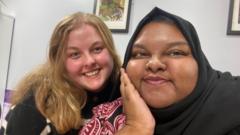
The recent initiative in Wales aims to enhance women's health education in schools, addressing vital topics such as menstrual health, endometriosis, and menopause. Young women, like Athika Ahmed, have highlighted gaps in their education, noting that while they learned practical skills like opening a bank account, they lacked knowledge about personal health issues. The new resources, co-designed by youth panels, will provide essential information to empower students, ensuring they are better informed about their bodies and health conditions.
Last updated: 27 October 2023 (BST)
What’s happening now
In a groundbreaking move, secondary schools in Wales are set to implement new educational resources focused on women's health. This initiative comes in response to young people's calls for more comprehensive health education that goes beyond traditional subjects. The resources, which cover topics such as menstrual health, endometriosis, pelvic health, and menopause, are designed to fill the knowledge gap that many young women experience. This is particularly significant for those from ethnic minority backgrounds where discussing such topics can be taboo.
Key takeaways
- New educational resources on women's health are being introduced in Welsh schools.
- Young people, including those from ethnic minority backgrounds, contributed to the resource design.
- Topics covered include menstrual health, endometriosis, pelvic health, and menopause.
- School nurses are being trained to better support students with health queries.
- The initiative responds to the women's health strategy for Wales published a year ago.
Timeline: how we got here
Wales has seen a growing emphasis on women's health education over the past year. Key milestones include:
- October 2022: The women’s health strategy for Wales is published, highlighting the need for improved health education.
- 2023: Young people across Wales participate in designing new educational resources, ensuring the materials are relevant and accessible.
- October 2023: New educational materials are set to roll out in secondary schools throughout Wales.
What’s new vs what’s known
New today/this week
The introduction of tailored resources for women's health is a significant change in educational practices in Wales. These resources aim to provide practical and essential information that young women have previously lacked. They will include basic information about menstruation and related health issues and direct students to reliable online resources.
What was already established
Previously, menstrual health was included in the school curriculum, but comprehensive coverage of other important conditions such as endometriosis had not been part of the educational framework. Young people often felt unprepared to manage their health due to insufficient information provided in schools.
Impact for the UK
Consumers and households
This initiative is expected to empower young women and enhance their understanding of personal health, leading to improved overall health outcomes. Increased awareness of conditions like endometriosis, which affects approximately 155,000 women in Wales, can foster better communication with healthcare providers and families.
Businesses and jobs
For businesses, especially those in the healthcare and educational sectors, the demand for trained professionals who can effectively deliver this new curriculum may rise. The initiative may also encourage greater awareness and support for women’s health issues in the workplace, enhancing workplace wellbeing programs.
Policy and regulation
The Welsh government is actively backing this initiative through the women's health strategy, which prioritises the training of healthcare professionals and school nurses. Expect further developments as women's health pathfinder hubs are anticipated to launch soon, providing additional support services.
Numbers that matter
- 155,000: Approximate number of women affected by endometriosis in Wales.
- 1 in 10: Estimated number of women who suffer from endometriosis globally.
- 8: Age at which some girls, like Molly Fenton, start their menstrual cycles, highlighting the need for early education.
- Over 80%: The proportion of young people in Wales who support enhanced health education in schools.
- 1: Number of new women's health pathfinder hubs expected to launch in the near future.
Definitions and jargon buster
- Endometriosis: A condition where tissue similar to the lining inside the uterus grows outside it, causing pain and potentially affecting fertility.
- Menstrual health: The overall health and well-being of individuals during their menstrual cycle, including physical, emotional, and social aspects.
- Pelvic health: Refers to the health of the pelvic region, including issues related to reproductive organs and urinary health.
- School nurses: Registered nurses who work in schools to support student health and wellness.
How to think about the next steps
Near term (0–4 weeks)
As the new resources are rolled out in schools, students and parents should familiarize themselves with the materials. Engaging in discussions with school staff can help clarify any questions about the content and its implementation.
Medium term (1–6 months)
Schools will likely gather feedback from students on the effectiveness of the resources. Continuous evaluation will be essential to ensure that the materials are meeting the needs of young people. Additionally, school nurses will be better equipped to address health concerns as they receive training in these new topics.
Signals to watch
- Feedback from students on the new resources.
- Updates from the Welsh government on the launch of women's health pathfinder hubs.
- Training initiatives for school nurses and healthcare professionals.
Practical guidance
Do
- Encourage open discussions about menstrual and pelvic health at home.
- Utilise school resources to educate yourself about women's health issues.
- Seek advice from school nurses if you have health-related questions.
Don’t
- Don’t shy away from discussing health issues due to embarrassment or stigma.
- Don’t hesitate to seek support if experiencing symptoms related to menstrual or pelvic health.
- Don’t overlook the importance of early education on health topics.
Checklist
- Review the new health education resources available in schools.
- Discuss any questions or concerns with a trusted adult or teacher.
- Familiarise yourself with online resources for further information.
- Participate in any school health workshops or sessions.
- Stay informed about women's health topics through reliable sources.
Risks, caveats, and uncertainties
While the new resources represent a significant step forward, there are still uncertainties regarding their implementation and reception among students. Not all schools may adopt the materials at the same rate, and some students may still face barriers in discussing health topics openly. Additionally, the effectiveness of the training for school nurses will be crucial in ensuring that students receive the correct support.
Bottom line
The introduction of comprehensive women's health education in Welsh schools marks a pivotal change in how young women understand and manage their health. As these resources become available, it is vital for students to utilise them and foster a culture of open discussion about health issues. Empowering young people with knowledge will ultimately lead to better health outcomes and confidence in managing their health.
FAQs
Why is women's health education important in schools?
Women's health education helps young women understand their bodies, manage health issues, and advocate for themselves, leading to better overall health outcomes.
What topics will be covered in the new resources?
The resources will cover menstrual health, endometriosis, pelvic health, and menopause, providing essential information for young women.
How can students access these new educational materials?
Students can access the materials in their secondary schools, which will include leaflets, posters, and guidance on where to find further information online.