Will New Plans Revolutionize Police Facial Recognition?
Published: 2025-12-04 05:00:11 | Category: sport
Facial recognition technology is set to see increased usage by UK police forces, as announced by the Home Office, potentially transforming crime detection and prevention. The plans, highlighted by Policing and Crime Minister Sarah Jones, suggest this technology could represent "the biggest breakthrough" in apprehending criminals since DNA matching. A 10-week public consultation has begun to gather opinions on its implementation, which may lead to new legislation surrounding its use.
Last updated: 12 October 2023 (BST)
What’s happening now
The Home Office is advocating for a significant expansion of facial recognition technology within UK police forces. This initiative follows the reported success of existing deployments, where the Metropolitan Police have made over 1,300 arrests since 2023, including apprehensions of serious criminals like rapists. The government is keen to develop regulations surrounding the use of this technology, underscoring the belief that it could enhance public safety and crime resolution.
Key takeaways
- Facial recognition technology could soon be widely adopted by UK police forces.
- A 10-week consultation has been launched to gather public opinions on its use.
- Over 1,300 arrests have been made using the technology by the Metropolitan Police since 2023.
Timeline: how we got here
Since the introduction of facial recognition technology in UK policing, several key milestones have shaped its current landscape:
- 2023: The Metropolitan Police reportedly made 1,300 arrests using facial recognition technology.
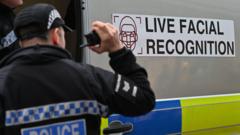
- November 2023: Several police forces, including the Metropolitan Police, South Wales Police, and Essex Police, rolled out a new fleet of mobile facial recognition vans.
- 2024: The Home Office invested £12.6 million in facial recognition technologies, with plans for further expansion depending on public feedback from the current consultation.
What’s new vs what’s known
New today/this week
The most recent developments include the announcement of a public consultation regarding the use of facial recognition technology, which aims to gather public sentiment and inform potential legislation. Additionally, the Home Office is proposing a regulatory framework to oversee police use of biometrics.
What was already established
It has been previously established that facial recognition technology has already assisted police in making arrests. Critics, including campaign group Big Brother Watch, have raised concerns over privacy and civil liberties, warning that increased surveillance could lead to an authoritarian state.
Impact for the UK
Consumers and households
The rollout of facial recognition technology could have broad implications for UK households. While supporters argue it enhances safety and crime prevention, detractors caution about the erosion of privacy. The potential for misuse of data and increased surveillance may raise significant ethical concerns among the public.
Businesses and jobs
For businesses, particularly those in the security and technology sectors, the expansion of facial recognition technology could create new opportunities and demand for innovative solutions. However, companies may also face scrutiny regarding how they handle data and maintain compliance with privacy laws.
Policy and regulation
The proposed laws and regulations would primarily affect policing in England and Wales, with potential implications for Scotland and Northern Ireland. The Home Office anticipates that any new legislation informed by the consultation could take approximately two years to pass through Parliament.
Numbers that matter
- 1,300: The number of arrests made by the Metropolitan Police using facial recognition since 2023.
- £12.6 million: The total investment made by the Home Office in facial recognition technology in 2024.
- £2.8 million: Amount spent specifically on live facial recognition technologies in 2024.
Definitions and jargon buster
- Facial Recognition Technology: A technology that identifies or verifies a person’s identity using their facial features.
- Biometrics: The measurement and statistical analysis of people's unique physical and behavioural characteristics, often used for identification and access control.
How to think about the next steps
Near term (0–4 weeks)
In the immediate future, the public consultation will continue, allowing individuals to share their opinions regarding the use of facial recognition technology in policing. Stakeholders, including privacy advocates and law enforcement, will engage in discussions to shape the future framework.
Medium term (1–6 months)
As feedback is gathered, the Home Office will analyse the responses to inform potential legislative changes. Discussions on regulatory frameworks will intensify, and the impact of existing facial recognition deployments will be evaluated.
Signals to watch
- Outcomes of the public consultation and subsequent government statements.
- Parliamentary discussions and timelines regarding proposed laws.
- Public opinion trends related to surveillance and privacy concerns.
Practical guidance
Do
- Stay informed about developments related to facial recognition technology in policing.
- Engage in discussions about privacy and safety in your community.
Don’t
- Ignore the implications of increased surveillance on personal freedoms.
- Assume that all uses of facial recognition technology are beneficial without considering potential drawbacks.
Checklist
- Review the outcomes of the Home Office consultation.
- Understand the existing laws regarding data protection and privacy.
- Monitor developments in the regulation of facial recognition technology.
- Discuss concerns about privacy and civil liberties with peers.
Risks, caveats, and uncertainties
While facial recognition technology promises to enhance public safety, there are significant risks and uncertainties. Privacy advocates like Big Brother Watch highlight the potential for government overreach and misuse of data. Concerns over accuracy, bias in algorithms, and the potential for wrongful identification remain critical issues that must be addressed as deployment increases.
Bottom line
The proposed expansion of facial recognition technology in UK policing presents a complex landscape of opportunities and challenges. As the Home Office seeks to implement this technology more widely, it is crucial for stakeholders to balance public safety with the protection of civil liberties. The ongoing consultation will be pivotal in shaping how these technologies are regulated and perceived in the UK.
FAQs
What is facial recognition technology?
Facial recognition technology is a biometric method that identifies or verifies individuals based on their facial features, often used by law enforcement for locating suspects.
How many arrests have been made using facial recognition by the Metropolitan Police?
The Metropolitan Police have reportedly made over 1,300 arrests using facial recognition technology since 2023, including serious offenders.
What is the purpose of the public consultation launched by the Home Office?
The public consultation aims to gather opinions on the use of facial recognition technology by police forces, potentially informing new laws and regulations surrounding its deployment.