How Did Free Arts Access Shape Black Mirror Star's Career?
Published: 2025-12-10 11:00:17 | Category: wales
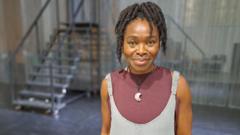
A Bafta-winning actress, Rakie Ayola, emphasised the vital role of free access to the arts in shaping her career, particularly as someone from a working-class background. Ayola, known for her roles in shows like Black Mirror and Doctor Who, highlighted how state-funded opportunities facilitated her early engagement with music and acting. She expressed concern over the increasing barriers to arts access for young people today, especially in light of funding cuts faced by organisations such as the Welsh National Opera.
Last updated: 22 October 2023 (BST)
What’s happening now
Rakie Ayola's comments come amid growing concerns about the accessibility of the arts for young people from disadvantaged backgrounds in the UK. The Welsh National Opera (WNO), where Ayola has recently performed, has experienced significant budget cuts, leading to a reduction in its chorus size and the number of performances. This situation raises alarms about the future of arts education and engagement opportunities for children from working-class families. Co-director Adele Thomas has warned that without increased investment, fewer young people will be able to participate in the arts, further entrenching socio-economic disparities.
Key takeaways
- Rakie Ayola credits free access to the arts for her success as a Bafta-winning actress.
- State-funded programmes in music and acting were crucial for Ayola's development.
- The Welsh National Opera has faced a 25% budget cut since 2022, impacting performances and educational outreach.
- Access to arts for working-class youth is reportedly becoming more difficult due to rising costs.
- The Welsh government has increased cultural spending but many fear it is not enough to counteract funding reductions.
Timeline: how we got here
Recent events highlight the evolving landscape of arts funding and accessibility in Wales:
- 2022: The Welsh National Opera faced a 25% cut in its budget.
- 2023: Rakie Ayola speaks out about the importance of free access to the arts for working-class individuals.
- 2023: The Welsh government announces an 8.5% increase in spending for the culture sector.
- 2023: Arts Council for Wales allocates £8 million to support 40 arts organisations.
What’s new vs what’s known
New today/this week
Ayola's recent comments underscore the ongoing challenges faced by young people in accessing the arts, signalling a potential crisis in cultural engagement for disadvantaged communities. The WNO's budget cuts have led to immediate changes in their operational capacity, affecting both performances and educational outreach initiatives.
What was already established
It has long been recognised that access to the arts is vital for personal development and can significantly influence career pathways for young people. Previous statements from various arts organisations have indicated that funding cuts would lead to diminished opportunities for engagement in the arts, particularly for those from working-class backgrounds.
Impact for the UK
Consumers and households
For families, the escalating costs associated with arts programmes—such as youth theatre participation and musical instrument lessons—pose a barrier to engagement. As ticket prices for performances also rise, access to cultural experiences becomes increasingly limited for those on lower incomes. This trend could lead to a homogenisation of the arts, where only affluent families can afford to participate in or appreciate cultural offerings.
Businesses and jobs
With reduced funding for arts organisations, job security within the sector is jeopardised. Many arts professionals rely on these organisations for employment, and budget cuts can lead to fewer available positions. Additionally, businesses that support or collaborate with the arts may find fewer opportunities for partnerships, impacting local economies that benefit from cultural tourism.
Policy and regulation
The Welsh government has outlined plans to increase its cultural budget, which includes funding for various youth-related organisations. However, many stakeholders believe that this increase may not be sufficient to counteract the significant losses already faced by arts organisations. Future consultations and decisions regarding arts funding will be crucial in determining the sustainability of these initiatives and their ability to serve diverse communities.
Numbers that matter
- 25%: Reduction in the Welsh National Opera's budget since 2022.
- £8 million: Amount allocated by the Arts Council for Wales to support 40 arts organisations.
- 8.5%: Increase in the Welsh government's spending on the culture sector this year.
- 200 million: Total investment by the Welsh government in cultural programmes across various departments.
- 40: Number of arts organisations receiving funding to help secure their futures.
Definitions and jargon buster
- Arts Council for Wales: An organisation that promotes and develops the visual and performing arts in Wales, providing funding and support to arts organisations.
- Welsh National Opera (WNO): A prominent opera company based in Wales, known for its productions and educational outreach programmes.
- Working Class: A social class consisting of individuals who are employed for wages, especially in manual or industrial work.
How to think about the next steps
Near term (0–4 weeks)
In the immediate future, stakeholders in the arts sector may push for emergency funding solutions to address the financial difficulties faced by organisations like the WNO. Community engagement initiatives may also be prioritised to maintain public interest and participation.
Medium term (1–6 months)
As the Welsh government reviews its cultural budget allocations, advocacy efforts may increase to secure long-term funding solutions. Arts organisations will need to demonstrate their impact on community engagement and development to justify their funding requests.
Signals to watch
- Announcements from the Welsh government regarding changes to arts funding.
- Updates from the Welsh National Opera on performance schedules and educational programmes.
- Engagement metrics from arts organisations to assess participation from working-class backgrounds.
Practical guidance
Do
- Support local arts initiatives and educational programmes aimed at young people.
- Engage with community theatre groups and workshops to foster local talent.
- Advocate for increased funding for the arts at local and national levels.
Don’t
- Ignore the importance of arts education in personal and professional development.
- Assume that the availability of arts programmes will remain stable without public support.
- Discourage young people from exploring artistic pursuits due to perceived costs.
Checklist
- Research local arts programmes and initiatives available for children.
- Explore scholarship opportunities for arts education.
- Attend community performances to support local artists.
- Engage with schools to promote arts education in the curriculum.
- Stay informed about funding changes and advocacy opportunities in the arts sector.
Risks, caveats, and uncertainties
While the Welsh government has pledged increased funding for the cultural sector, the effectiveness of these measures in reversing the impact of previous cuts remains uncertain. The long-term sustainability of arts organisations, particularly those focused on educational outreach, may still be at risk if funding does not meet the growing demand for accessible arts programmes. Additionally, the potential for ongoing economic challenges could further complicate funding efforts.
Bottom line
The conversation surrounding access to the arts is becoming increasingly urgent in the UK, especially for young people from working-class backgrounds. As funding cuts threaten the viability of key arts organisations, it is essential for policymakers and the public to recognise the importance of investment in cultural education. Ensuring that future generations have the opportunity to engage with the arts is vital to nurturing talent and fostering diverse creative voices.
FAQs
Why is access to the arts important for children?
Access to the arts provides children with opportunities for personal expression, skill development, and confidence-building, which can significantly impact their overall growth and future career prospects.
What are the current funding challenges faced by arts organisations in Wales?
Many arts organisations in Wales, including the Welsh National Opera, are experiencing significant budget cuts, limiting their ability to deliver performances and educational programmes.
How can individuals support local arts initiatives?
Individuals can support local arts initiatives by attending performances, volunteering, advocating for increased funding, and promoting arts education within schools and communities.