Will Kent's New Permanent Border Facility Change the Game?
Published: 2025-12-18 09:00:37 | Category: sport
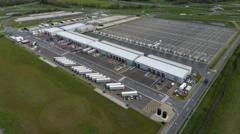
The UK government has approved plans to make the Sevington Inland Border Facility in Kent a permanent installation, which is designed to facilitate checks on goods post-Brexit. The facility has been controversial due to concerns over environmental impact and light pollution, but officials assert it is crucial for maintaining border security and biosecurity.
Last updated: 15 October 2023 (BST)
What’s happening now
The Sevington Inland Border Facility, located near Ashford, Kent, has received government approval to become a permanent establishment. Originally built in 2021 as a temporary measure following Brexit, it is designed for conducting inspections on goods entering and leaving the UK. The facility's permanent status will allow for continuous operations, which include 24/7 activity involving various logistics processes.
Key takeaways
- The Sevington Inland Border Facility is set to become permanent, enhancing its role in border checks.
- Local councils have raised concerns about environmental damage and light pollution.
- Community feedback and recommendations have influenced the planning process.
Timeline: how we got here
The approval process for the Sevington facility has evolved since its initial construction:
- 2021: Sevington Inland Border Facility established as a temporary site to carry out post-Brexit checks.
- 2023: The Planning Inspectorate conducts an inquiry into the facility's future, allowing public and local authorities to voice concerns.
- 15 October 2023: The UK government officially approves the plan to make the facility a permanent operation.
What’s new vs what’s known
New today/this week
The recent approval by the government marks a significant shift from the facility's temporary status to a permanent one. This change allows for sustained operations and development of the site, which includes various enhancements to support logistics efficiency.
What was already established
Since its inception, the facility has been a focal point for border checks, particularly after the implications of Brexit. The government has consistently highlighted its importance for national security and biosecurity, despite local objections regarding its environmental impact.
Impact for the UK
Consumers and households
The establishment of a permanent border facility may have mixed implications for consumers. While it aims to streamline border checks and potentially reduce delays in the supply chain, local residents express concerns about environmental degradation and increased light pollution, which could affect their quality of life.
Businesses and jobs
For businesses, particularly those reliant on efficient logistics and supply chain operations, the Sevington facility represents an opportunity for improved border processing. The 24/7 operation might reduce delays for goods entering and exiting the UK, which is especially crucial for perishable items transported in refrigerated trailers.
Policy and regulation
The approval is part of the broader regulatory framework established post-Brexit, aiming to bolster the UK’s border security. Local councils have been involved in the planning process, with recommendations made to mitigate noise and light pollution, highlighting the ongoing dialogue between government planning and community concerns.
Numbers that matter
- 24/7: The facility will operate around the clock, allowing for continuous processing of goods.
- 2021: Year the facility was initially built to respond to Brexit-related logistics needs.
- Unanimous support: Ashford Borough Council's planning committee voted unanimously to support the facility’s permanent status.
Definitions and jargon buster
- Inland Border Facility: A site designated for customs checks and inspections of goods entering and leaving the UK.
- Brexit: The UK's exit from the European Union, which has necessitated new customs and border arrangements.
- Biosecurity: Measures taken to protect against harmful organisms, ensuring the safety of agricultural and ecological systems.
How to think about the next steps
Near term (0–4 weeks)
In the immediate future, local authorities and the government will likely work on implementing the recommendations made during the planning process, especially regarding noise and light mitigation strategies.
Medium term (1–6 months)
As the facility transitions to permanent status, monitoring its operational impact on the local community will be essential. Residents and businesses may notice changes in traffic patterns and logistics operations.
Signals to watch
- Public feedback on the facility's impact on local quality of life.
- Data on border processing times and efficiency improvements.
- Environmental assessments and reports on the facility's operational impact.
Practical guidance
Do
- Stay informed about local council discussions regarding the facility's impact.
- Engage with community forums addressing environmental concerns.
- Monitor updates on logistical improvements and border processing times.
Don’t
- Ignore developments related to environmental assessments.
- Assume that the facility will operate without ongoing community dialogue.
- Neglect to report any issues related to noise or light pollution to local authorities.
Checklist
- Review local council updates on the facility's operations.
- Participate in community meetings discussing the facility's impact.
- Stay aware of changes in traffic patterns near the facility.
- Engage with local advocacy groups concerned about environmental issues.
- Keep track of government announcements regarding border policies.
Risks, caveats, and uncertainties
While the approval of the Sevington facility represents a step towards improved border management, it also raises several uncertainties. The long-term environmental impact remains a contentious issue, with local objections highlighting the need for careful monitoring. Additionally, the facility's operational efficiency must be balanced with community concerns, indicating that ongoing assessments will be crucial.
Bottom line
The approval of the Sevington Inland Border Facility as a permanent establishment signifies the UK government's commitment to enhancing border security post-Brexit. However, it also necessitates a careful balance between operational efficiency and community well-being, as local residents voice legitimate concerns about environmental impacts. Moving forward, stakeholders must engage in continuous dialogue to ensure that both security and community interests are addressed.
FAQs
What is the Sevington Inland Border Facility?
The Sevington Inland Border Facility is a site in Kent established for conducting customs checks on goods moving in and out of the UK post-Brexit.
Why has the facility faced opposition?
Local councils have raised concerns about the environmental impact of the facility, particularly regarding light pollution and its effect on the surrounding area.
What does the approval mean for local residents?
The approval means the facility will operate permanently, which may alter local traffic and light conditions, prompting ongoing community discussions about its impacts.