
Will Winter Olympics Skiing Suffer from Low Snow Levels?
Published: 2025-12-21 12:00:25 | Category: sport
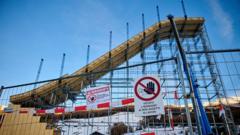
The 2026 Winter Olympics in Italy are facing concerns regarding snow levels at key venues, particularly the Livigno Snow Park and Aerials and Moguls Park, where 26 gold medals are up for grabs. The president of the International Ski Federation (FIS), Johan Eliasch, has raised alarms over potential delays in artificial snow production, linked to funding issues with the Italian government. However, local officials, including Livigno's mayor Remo Galli, are optimistic about the situation, asserting that the necessary preparations are underway.
Last updated: 12 December 2023 (BST)
What’s happening now
As the 2026 Winter Olympics approach, concerns have emerged surrounding snow production for skiing events. Johan Eliasch, president of FIS, has expressed frustration over delays attributed to the Italian government’s slow release of funds, which are critical for generating artificial snow. The situation has raised questions about whether conditions will be suitable for events scheduled in February. Despite these concerns, local officials, including Remo Galli, remain confident, asserting that the required snow will be ready in time.
Key takeaways
- 26 gold medals are available for events at Livigno Snow Park and Aerials and Moguls Park.
- Concerns about snow levels stem from funding delays for artificial snow production.
- Livigno's mayor claims that technical issues have been resolved and snow production is on track.
Timeline: how we got here
The path to the 2026 Winter Olympics has seen various developments regarding snow production:
- 12 December 2023: Johan Eliasch raises concerns about funding delays affecting snow production.
- Early December 2023: Remo Galli announces the resolution of technical issues that delayed snow-making efforts.
- November 2023: Preparations for the Winter Olympics ramp up, highlighting the need for artificial snow.
What’s new vs what’s known
New today/this week
Recent statements from Johan Eliasch have highlighted the ongoing funding issues that are reportedly affecting snow production. He noted that the delays are "inexplicable" and expressed concerns about the adequacy of snow levels for the upcoming events.
What was already established
It was known that Livigno Snow Park and Aerials and Moguls Park would require significant snow production for the Winter Olympics. Concerns were raised about the impact of weather conditions and funding on snow availability, but local authorities maintained that they were prepared.
Impact for the UK
Consumers and households
For UK consumers, the success of the Winter Olympics can influence travel plans, particularly for those considering trips to Italy during the event. The assurance of snow conditions is crucial for the ski tourism sector and related industries.
Businesses and jobs
Local businesses in Livigno and surrounding areas stand to benefit from increased tourism during the Olympics. However, if snow production falters, it may affect job security and profitability within the local hospitality and tourism sectors.
Policy and regulation
UK sports organisations may need to monitor developments closely, especially if issues arise that affect athlete participation or event scheduling. The UK government may also engage with Olympic committees to ensure the safety and performance of British athletes.
Numbers that matter
- 26: The total number of gold medals available at Livigno Snow Park and Aerials and Moguls Park.
- 20: Forecasted temperatures in Livigno, expected to drop significantly, aiding artificial snow production.
- 3: The number of contingency plans outlined by Johan Eliasch to address potential snow shortages.
Definitions and jargon buster
- FIS: Fédération Internationale de Ski, the international governing body for skiing and snowboarding.
- Artificial snow: Snow produced by machines, used in skiing events when natural snow is insufficient.
How to think about the next steps
Near term (0–4 weeks)
In the immediate weeks leading up to the Olympics, it is crucial to monitor snow production progress and weather forecasts in Livigno. Stakeholders should remain informed about funding developments and any potential impacts on event scheduling.
Medium term (1–6 months)
As the Olympics approach, the focus will shift to the performance of athletes and the overall success of the events. Observers should track how local conditions evolve and how they affect participation.
Signals to watch
- Updates from the Italian government regarding funding releases for snow production.
- Daily weather reports indicating temperatures and snowfall in Livigno.
- Official statements from FIS regarding contingency plans for the Olympics.
Practical guidance
Do
- Stay informed about the latest news regarding the Winter Olympics and snow conditions.
- Plan travel and accommodation in advance if considering attending the events.
- Follow updates from athletes and teams to gauge their readiness and participation status.
Don’t
- Assume conditions will be ideal without verifying the latest reports.
- Neglect to check cancellation policies when booking travel related to the Olympics.
Checklist
- Verify the snow conditions shortly before travel.
- Confirm event schedules and any changes to the Olympic programme.
- Monitor safety advisories or updates from local authorities.
Risks, caveats, and uncertainties
Several uncertainties surround the snow conditions for the 2026 Winter Olympics. The situation is dynamic, with potential for changes based on weather patterns and government actions. Stakeholders should remain vigilant and prepared for any last-minute adjustments to the event structure.
Bottom line
The upcoming Winter Olympics in Italy highlight significant concerns about snow levels, primarily due to funding delays affecting artificial snow production. While local officials express confidence in readiness, it is vital for UK audiences to remain informed about developments that could impact travel and participation.
FAQs
What are the key venues for the 2026 Winter Olympics?
The key venues include Livigno Snow Park and Aerials and Moguls Park, where various skiing and snowboarding events will take place.
How many gold medals are available at these events?
A total of 26 gold medals will be contested in events held at Livigno Snow Park and Aerials and Moguls Park during the Olympics.
What are the concerns regarding snow levels?
Concerns have been raised about delays in artificial snow production due to funding issues with the Italian government, which could impact event conditions.


