Did Alleged Bondi Gunmen Really Use a Tennis Ball Bomb?
Published: 2025-12-22 06:00:07 | Category: world
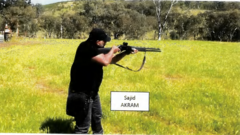
Last week's attack on a Jewish festival at Bondi Beach has revealed disturbing details about the alleged perpetrators, Naveed Akram and his father, Sajid Akram. According to newly released police documents, the pair meticulously planned the assault, which included throwing four undetonated explosives, one of which was described as a "tennis ball bomb." Naveed Akram has since been charged with multiple offenses, including 15 counts of murder, after the attack on 14 December.
Last updated: 15 December 2023 (BST)
What’s happening now
The investigation into the Bondi Beach attack is ongoing, with authorities focusing on the extensive planning that led to the horrific events. Naveed Akram, who was critically injured during the attack and has since been released from hospital, is now in police custody awaiting trial. The police have provided chilling details regarding the explosives used, the videos found on Naveed's phone, and their alleged motivations tied to extremist ideology.
Key takeaways
- Naveed Akram faces 15 counts of murder following the attack on 14 December.
- The Akrams used a "tennis ball bomb" and other explosives during the incident.
- Evidence suggests a long-term planning process influenced by extremist ideology.
Timeline: how we got here
The events leading to the Bondi Beach attack unfolded over several months:
- October 2023: Naveed and Sajid Akram are alleged to have recorded a video manifesto, expressing their motivations for the attack.
- 12 December 2023: CCTV footage captures the Akrams conducting reconnaissance at Bondi Beach.
- 14 December 2023: The attack occurs during a Hanukkah celebration, resulting in multiple fatalities and injuries.
- 15 December 2023: Police release details of the investigation, including the types of explosives used.
What’s new vs what’s known
New today/this week
Recently released police documents outline the specifics of the explosives used in the attack, including the identification of a "tennis ball bomb" and details of the tactical training videos found on Naveed's phone. Furthermore, the police revealed that the Akrams conducted reconnaissance at Bondi Beach just days prior to the attack.
What was already established
It was previously known that Naveed Akram had been charged with multiple counts of murder and that his father, Sajid, was killed during the police response. The general motivations tied to Islamic State ideology were also established, with indications of a premeditated attack.
Impact for the UK
Consumers and households
The attack's implications extend beyond Australia, raising concerns about the safety of communities in the UK and the potential for similar incidents inspired by extremist ideologies. The heightened alert may lead to increased security measures at public events and places of worship.
Businesses and jobs
In the aftermath of such attacks, businesses, particularly those in the hospitality and event sectors, may face heightened scrutiny and security costs. Moreover, insurance rates could see an uptick as risks associated with public gatherings are reassessed.
Policy and regulation
The UK government may consider revisiting its counter-terrorism strategies and funding for community-based programmes aimed at preventing radicalisation. Local authorities might also emphasise interfaith dialogue to promote understanding and mitigate tensions.
Numbers that matter
- 15 counts of murder faced by Naveed Akram, highlighting the gravity of the attack.
- Four undetonated explosives thrown during the incident, underscoring the potential for greater loss of life.
- Dozens of offences charged against Naveed Akram, signalling a comprehensive legal response.
Definitions and jargon buster
- Tennis ball bomb: A type of improvised explosive device (IED) designed to be small and inconspicuous, resembling a common object.
- Islamic State (IS): A militant group known for its extreme interpretation of Islam and acts of terrorism globally.
- Improvised Explosive Device (IED): A homemade bomb constructed and deployed in ways other than conventional military action.
How to think about the next steps
Near term (0–4 weeks)
In the immediate future, expect increased security measures at public gatherings in the UK, as well as potential community outreach initiatives aimed at preventing radicalisation.
Medium term (1–6 months)
Over the next few months, authorities may implement new policies focused on counter-terrorism and community resilience, alongside a review of existing security protocols.
Signals to watch
- Responses from law enforcement regarding public safety measures.
- Any legislative changes aimed at addressing security concerns in the wake of the attack.
- Community initiatives aimed at fostering interfaith dialogue and understanding.
Practical guidance
Do
- Stay informed about local security updates and community safety initiatives.
- Participate in community outreach programmes that promote understanding and tolerance.
Don’t
- Avoid spreading misinformation related to the attack or the individuals involved.
- Do not engage in hate speech or discriminatory behaviour against any community.
Checklist
- Review local security protocols for public events.
- Engage with local community safety meetings.
- Stay updated on counter-terrorism initiatives by local authorities.
- Consider participating in interfaith dialogues.
Risks, caveats, and uncertainties
While the investigation has provided many details, uncertainties remain regarding the full extent of the motivations behind the attack and potential connections to broader networks. The situation is fluid, and further developments may alter the understanding of the events leading to the Bondi Beach attack.
Bottom line
The Bondi Beach attack serves as a stark reminder of ongoing threats posed by extremist ideologies. As the investigation unfolds, the UK must remain vigilant, fostering dialogue and understanding while prioritising community safety in an increasingly complex landscape.
FAQs
What led to the Bondi Beach attack?
The Bondi Beach attack was allegedly motivated by extremist ideology, with the Akrams having planned the assault for months, as indicated by their recorded manifesto and videos.
What were the explosives used in the attack?
The attackers used several explosives, including a "tennis ball bomb" and homemade pipe bombs, which were thrown during the attack but did not detonate.
What are the legal consequences for Naveed Akram?
Naveed Akram faces multiple charges, including 15 counts of murder, as well as various other offences stemming from the attack on the Hanukkah celebration.