What Caused the Plane Crash That Killed Libya's Military Chief in Turkey?
Published: 2025-12-24 10:45:00 | Category: politics
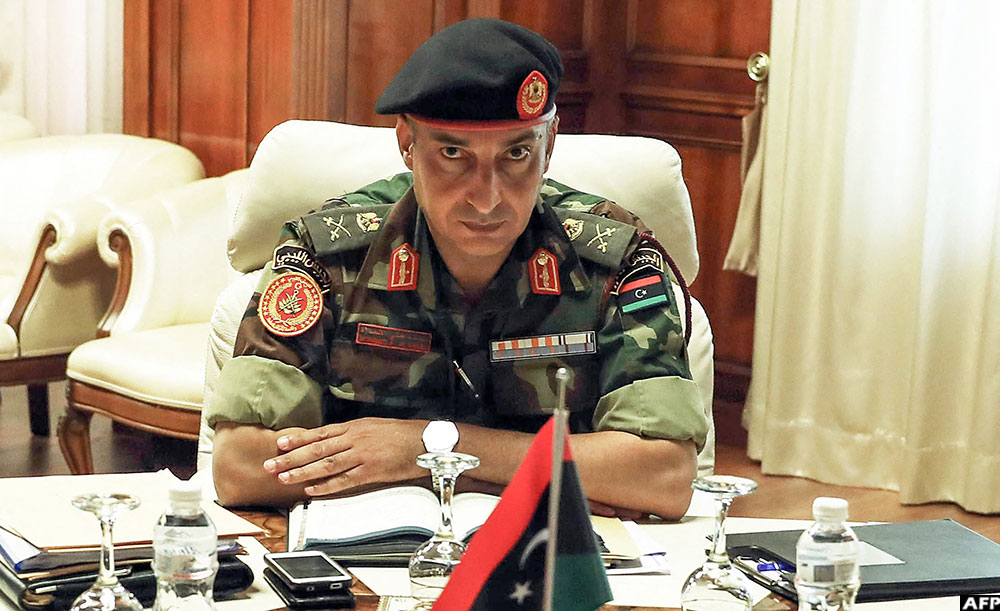
The tragic plane crash in Turkey that claimed the life of Libya's top military chief, Lieutenant General Mohammed al-Haddad, has sent shockwaves through the country and the international community. The Falcon 50 business jet, carrying al-Haddad and several high-ranking military officials, encountered technical difficulties shortly after takeoff from Ankara, leading to a devastating crash in the Haymana district. This incident raises significant questions about the stability of Libya's military leadership amid ongoing national divisions.
Last updated: 24 December 2025 (BST)
What’s happening now
Lieutenant General Mohammed al-Haddad, head of Libya's armed forces, died in a plane crash on 23 December 2025, shortly after taking off from Ankara, Turkey. The aircraft lost contact 42 minutes into the flight, reportedly due to an electrical failure. Al-Haddad was returning to Tripoli after meetings with Turkish officials, including Defence Minister Yasar Guler. The crash has prompted an investigation by Turkish authorities, raising concerns about the implications for Libya's military stability and governance.
Key takeaways
- Lieutenant General Mohammed al-Haddad was killed alongside four senior military officials and three crew members.
- The Falcon 50 jet lost contact shortly after takeoff due to an alleged electrical failure.
- Turkey has initiated an investigation into the cause of the crash.
- Al-Haddad had been chief of general staff since August 2020, appointed by former Prime Minister Fayez al-Sarraj.
- This incident occurs amid ongoing political instability in Libya, which has been divided since the 2011 uprising.
Timeline: how we got here
The following timeline highlights critical events leading up to the tragic plane crash:
- 23 December 2025: The Falcon 50 jet takes off from Ankara's Esenboga airport at 1710 GMT, carrying Lieutenant General al-Haddad and seven others.
- 23 December 2025: Contact is lost with the aircraft approximately 42 minutes later, prompting an emergency alert.
- 23 December 2025: Turkish authorities locate the wreckage of the aircraft in Haymana, near Ankara.
- 23 December 2025: An investigation is launched by Turkey's Ankara chief prosecutor's office.
What’s new vs what’s known
New today/this week
The crash of the Falcon 50 aircraft has been confirmed, with Turkish officials outlining the timeline of events leading to the loss of contact shortly after takeoff. Authorities have begun collecting evidence from the crash site and initiated an investigation into the circumstances surrounding the incident.
What was already established
Lieutenant General al-Haddad had held his position since August 2020 and was a significant figure in Libya's military landscape. His discussions in Ankara before the crash underscored the ongoing collaboration between Turkey and the UN-recognised Libyan government, which has been critical amid Libya's fractured political environment.
Impact for the UK
Consumers and households
The implications of this incident may ripple through the UK, especially for those with ties to Libya or interests in the region. The death of a key military leader could exacerbate existing tensions, potentially impacting the stability of oil supplies and international relations.
Businesses and jobs
For UK businesses, particularly those involved in energy and defence sectors, this incident may create uncertainty. Companies operating in Libya could face increased risks, impacting investment decisions and operational stability in the region.
Policy and regulation
The UK government may need to reassess its diplomatic approach to Libya, especially in light of the changing military leadership. As tensions mount, there may be discussions around sanctions or increased support for stability initiatives within the country.
Numbers that matter
- 8: The total number of people on board the aircraft, including al-Haddad.
- 74 km: Distance from Ankara to where the aircraft wreckage was located.
- 42 minutes: Duration before contact was lost with the aircraft after takeoff.
- 16 minutes: Time after takeoff when the aircraft reported an emergency due to electrical failure.
- 2020: The year al-Haddad was appointed as chief of general staff.
Definitions and jargon buster
- UN-recognised government: A government that is acknowledged by the United Nations as the legitimate authority in a country.
- Falcon 50: A type of business jet designed for corporate travel.
- Emergency landing: A landing that occurs because of an unexpected situation requiring immediate action.
How to think about the next steps
Near term (0–4 weeks)
As investigations unfold, UK and international observers should closely monitor the situation in Libya, particularly regarding the reactions of the Libyan government and military to this sudden leadership change.
Medium term (1–6 months)
Expect potential shifts in military alliances and strategies within Libya as new leaders emerge. The UK may need to adapt its foreign policy to support stability and peace-building efforts in the region.
Signals to watch
- Statements from the Libyan government regarding succession plans for military leadership.
- Updates from the Turkish investigation into the crash and its findings.
- Changes in military operations or alliances within Libya's political factions.
Practical guidance
Do
- Stay informed about developments in Libya and the implications for international relations.
- Engage with reputable news sources for accurate updates on the investigation into the crash.
- Consider the potential impact of political instability in Libya on business operations.
Don’t
- Jump to conclusions about the cause of the crash before official findings are released.
- Underestimate the potential ripple effects of this incident on global oil markets.
- Ignore the evolving political landscape in Libya as new leaders come to power.
Checklist
- Monitor news updates from credible sources regarding the crash investigation.
- Assess the potential impact of Libyan instability on your business or investments.
- Stay connected with local and international diplomatic channels for guidance.
- Review your understanding of Libya's political factions and their implications for stability.
Risks, caveats, and uncertainties
While investigations are underway, the exact cause of the crash remains uncertain. The reliance on preliminary reports means the final conclusions could differ from initial findings. Furthermore, the political landscape in Libya is volatile, with factions vying for power, which could further complicate the situation. The potential for misinformation and speculation should be approached with caution, especially regarding the implications of military leadership changes.
Bottom line
The death of Lieutenant General Mohammed al-Haddad in a plane crash has significant implications for Libya's military and political landscape. As investigations proceed, observers must remain vigilant and prepared for shifts in the balance of power within the country and its impact on international relations, particularly concerning UK interests.
FAQs
What happened to Libya's military chief?
Lieutenant General Mohammed al-Haddad was killed in a plane crash in Turkey shortly after taking off from Ankara on 23 December 2025.
Why was al-Haddad in Turkey?
Al-Haddad was in Turkey for discussions with Turkish defence officials, strengthening military ties between Libya and Turkey.
What are the implications of this crash for Libya?
The crash raises concerns about the stability of Libya's military leadership and could lead to shifts in power dynamics amidst ongoing political divisions.