
What Will Your 2025 Look Like in Pictures?
Published: 2025-12-25 03:00:31 | Category: technology
This article reflects on the exceptional weather events and stunning photographs captured by BBC Weather Watchers throughout 2025. From the spectacular Northern Lights on New Year's Day to the heatwaves and storms that defined the seasons, the year has been remarkable in both meteorological phenomena and the beautiful images that tell these stories.
Last updated: 30 December 2025 (BST)
What’s happening now
As 2025 comes to a close, the UK has experienced a diverse array of weather events, capturing the imagination of many through the lens of passionate photographers. The year has been marked by extreme weather conditions, including record heatwaves, powerful storms, and breathtaking celestial displays. This retrospective not only showcases the beauty of our changing climate but also highlights the dedication of Weather Watchers who document these moments. Their contributions have enriched our understanding of the weather and its impact on daily life in the UK.
Key takeaways
- 2025 began with a stunning display of the Northern Lights on 1 January.
- Storm Eowyn in January was the strongest UK storm in a decade, with winds reaching 100 mph.
- Spring 2025 was the warmest and sunniest on record in parts of the UK.
- Summer saw four heatwaves and was declared the warmest on record, with drought conditions looming.
- November brought cold snaps and flooding, with Storm Claudia affecting Wales significantly.
- The year concluded with beautiful sunrises, capping off a decade of weather photography by the BBC Weather Watchers.
Timeline: how we got here
The year 2025 was filled with significant weather milestones across the UK. Here’s a brief timeline of notable events:
- 1 January 2025: Northern Lights create a stunning spectacle across the UK.
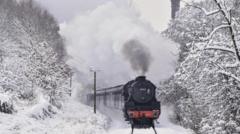
- Mid-January 2025: A cold snap brings snow, lingering for weeks.
- Late January 2025: Storm Eowyn strikes with winds of 100 mph, the strongest in a decade.
- 4 March 2025: A partial solar eclipse captivates viewers nationwide.
- 1 May 2025: Temperatures soar near 30°C, marking the warmest May Day on record.
- June 2025: The warmest June on record for England is reported.
- 4 October 2025: Storm Amy brings damaging winds to Scotland.
- 4 November 2025: Celebrating the 10th anniversary of BBC Weather Watchers.
- Late November 2025: Storm Claudia leads to severe flooding in Wales.
- December 2025: The year concludes with striking sunrises following Storm Bram.
What’s new vs what’s known
New today/this week
As we reflect on 2025, the final highlights include the impressive weather photography shared by our Weather Watchers, showcasing everything from the Northern Lights to the dramatic impacts of Storm Claudia. The ongoing engagement from the community indicates a strong interest in documenting weather patterns and their effects.
What was already established
The year's transitions from cold snaps to intense heatwaves were anticipated based on climate trends observed in previous years. The patterns of increasingly extreme weather events have been noted in climate studies, further underscoring the impacts of climate change on UK weather.
Impact for the UK
Consumers and households
The extreme weather of 2025 has had significant implications for households across the UK. The heatwaves prompted concerns about energy usage and water conservation, while the storms led to property damage and disruptions. Flooding was particularly severe in Wales, affecting access to services and transport links.
Businesses and jobs
Businesses faced challenges related to supply chain disruptions caused by storms and flooding. Sectors such as agriculture and tourism were particularly affected, with crop losses due to drought in summer and damage from storms in autumn. The need for businesses to adapt to these changing weather patterns is becoming increasingly crucial.
Policy and regulation
In response to the extreme weather events in 2025, government bodies are likely to review policies regarding climate resilience and disaster management. Upcoming consultations are expected to address infrastructure improvements to mitigate the impacts of future storms and flooding.
Numbers that matter
- 100 mph: Wind speeds recorded during Storm Eowyn, the strongest in a decade.
- 30°C: The temperature reached on 1 May, marking an exceptional May Day.
- 4: Number of heatwaves experienced during summer 2025, contributing to record temperatures.
- 10: Years since the inception of the BBC Weather Watchers community.
- 4 October: The date Storm Amy impacted Scotland, causing damage and disruption.
Definitions and jargon buster
- Weather Watchers: A community of individuals who document and share weather-related photographs and stories.
- Storm Eowyn: A significant weather event in January 2025, marked by extreme winds and damage.
- Heatwave: A prolonged period of excessively hot weather, which can have health and environmental impacts.
How to think about the next steps
Near term (0–4 weeks)
As we move into early 2026, it is essential to monitor ongoing weather patterns and their implications for daily life. Residents should stay informed about potential weather warnings and prepare for any lingering effects from the storms experienced in December.
Medium term (1–6 months)
In the months ahead, the focus will likely be on assessing the impact of 2025’s extreme weather. Evaluations of infrastructure resilience and community preparedness will be crucial as the UK continues to face the realities of climate change.
Signals to watch
- Weather forecasts regarding storm activity and extreme temperatures.
- Updates on government policy changes relating to climate resilience.
- Community engagement through the Weather Watchers platform for ongoing documentation of weather events.
Practical guidance
Do
- Stay informed about weather forecasts and prepare accordingly.
- Engage with the Weather Watchers community to share your own experiences.
- Consider measures to protect your property from potential flooding or storm damage.
Don’t
- Ignore weather warnings issued by local authorities.
- Underestimate the impact of extreme weather on your daily life.
- Neglect to participate in community discussions about climate preparedness.
Checklist
- Review your home insurance policy for coverage against weather-related damage.
- Have an emergency kit ready, including essentials like food, water, and first aid.
- Stay active in local environmental initiatives that promote sustainable practices.
- Document and share any interesting weather phenomena you encounter.
- Engage with local authorities regarding community resilience strategies.
Risks, caveats, and uncertainties
While 2025 has brought remarkable weather events, it is essential to recognise the uncertainties that come with climate change. Predictions about future weather patterns can be complex, and the potential for further extreme events remains. Communities must remain vigilant and proactive in addressing these challenges, as the situation is fluid and evolving.
Bottom line
Reflecting on 2025, it is clear that extreme weather events have left a significant mark on the UK. The dedication of Weather Watchers in documenting these moments has been invaluable. As we head into 2026, staying informed and prepared will be key as we continue to navigate the impacts of our changing climate.
FAQs
What were the most significant weather events in 2025?
2025 featured several noteworthy events, including the Northern Lights on 1 January, Storm Eowyn, and record-breaking heatwaves throughout summer. These events were documented through stunning photographs by Weather Watchers.
How did the weather in 2025 compare to previous years?
The year 2025 saw unprecedented warmth and extreme weather, with summer being the warmest on record. This trend reflects ongoing changes in climate patterns observed in recent years.
How can I get involved with Weather Watchers?
If you are interested in participating in documenting weather phenomena, you can sign up to be a Weather Watcher through the BBC platform. Your contributions can help showcase the beauty and diversity of the UK's weather.

