Can an Aging Nuclear Power Plant Embrace a Green Future?
Published: 2025-12-26 10:00:31 | Category: technology
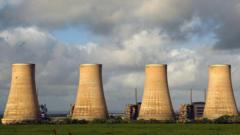
The Chapelcross nuclear power station, which began construction in 1955, has left a lasting impact on the landscape of southern Scotland. Originally the first nuclear facility in Scotland, it began electricity generation in 1959 and operated until 2004. As decommissioning continues, plans are underway to transform the site into a green energy hub, focusing on renewables such as hydrogen, solar power, and battery storage, effectively shifting from its historical role in nuclear energy to a future in sustainable power generation.
Last updated: 04 October 2023 (BST)
What’s happening now
The Chapelcross site is at a pivotal moment as it transitions from a decommissioned nuclear power station to a prospective green energy hub. With the Scottish government's stance against new nuclear plants, the focus has shifted toward renewable energy sources, with hopes to harness local resources for hydrogen production, solar energy, and battery storage. This transition aims to not only meet energy demands but also to provide employment opportunities and bolster the local economy, ensuring that the legacy of Chapelcross continues in a new, sustainable form.
Key takeaways
- Chapelcross was Scotland's first nuclear power station, operational from 1959 to 2004.
- Plans are underway to transform the site into a green energy hub focused on renewable sources.
- The site has historically been a major employer in the local community, with hopes for job creation in renewables.
Timeline: how we got here
The history of Chapelcross reflects significant developments in Scotland's energy landscape:
- 1955: Construction of Chapelcross nuclear power station begins.
- 2 May 1959: Chapelcross officially opens and starts generating electricity.
- 2004: The plant ceases operations after 45 years of service.
- 2007: The iconic cooling towers are demolished, marking the end of an era.
- 2023: Plans are announced to transform the site into a green energy hub.
What’s new vs what’s known
New today/this week
The recent discussions surrounding Chapelcross focus on repurposing the site for renewable energy production. The Scottish Greens have expressed support for these initiatives, highlighting the potential for job creation and contributions to climate change mitigation. The strategic developer, CX Power, is currently engaging with the local community to refine their plans, aiming to maximise the site's benefits in the transition to green energy.
What was already established
Chapelcross has a rich history as Scotland's first nuclear power station. It played a crucial role in electricity generation for nearly half a century and contributed to the production of materials for atomic energy. The site has been a significant source of employment for the local population, shaping the community around it, especially during its operational years.
Impact for the UK
Consumers and households
The transformation of Chapelcross into a green energy hub could have significant implications for consumers in south-west Scotland and beyond. As the site aims to provide renewable energy, it could lead to more stable energy prices and a reduction in carbon emissions. Households can expect cleaner energy sources, contributing positively to the environment and possibly lowering utility costs in the long term.
Businesses and jobs
The shift to renewable energy at Chapelcross presents an opportunity for job creation in the renewable sector. Current employment numbers are far below their peak, but the development of solar, hydrogen, and battery storage technologies could reignite local job growth. As the site transitions, training programs will be essential to equip local workers with the necessary skills for new roles in the emerging green energy industries.
Policy and regulation
The Scottish government's opposition to new nuclear plants has paved the way for repurposing existing sites like Chapelcross. This policy shift underlines a commitment to renewable energy and aligns with broader climate goals. Future consultations and initiatives from the government may further support the development of green energy projects, making Chapelcross a potential model for similar transitions across Scotland.
Numbers that matter
- 2,000: Number of workers involved at the peak of construction in 1955.
- 700: Peak employment numbers during Chapelcross's operational years.
- 200: Current workforce involved in the decommissioning process.
- 71 ft (21 m): Height of the cooling towers before their demolition in 2007.
- 70 years: Estimated time remaining for the full decommissioning process alongside new developments.
Definitions and jargon buster
- Decommissioning: The process of safely closing and dismantling a nuclear power plant.
- Green Energy Hub: A facility or site that focuses on generating energy from renewable sources.
- Hydrogen Production: The process of generating hydrogen fuel, which can be used as a clean energy source.
- Battery Storage: Technology that stores energy for later use, crucial for balancing supply and demand in renewable energy.
How to think about the next steps
Near term (0–4 weeks)
In the immediate future, stakeholders will continue to engage with the community to refine and finalise the plans for the Chapelcross site. This includes assessing local needs and potential partnerships for developing renewable technologies.
Medium term (1–6 months)
As project plans develop, detailed feasibility studies will be initiated. These will evaluate the practical aspects of implementing hydrogen production, solar installations, and battery storage. Expect initial training programs to be announced for local workers to prepare for new jobs in these sectors.
Signals to watch
- Updates from CX Power regarding project development milestones.
- Community engagement events and outcomes of consultations.
- Government policy announcements related to renewable energy initiatives in Scotland.
Practical guidance
Do
- Stay informed about community meetings concerning the Chapelcross project.
- Consider training opportunities in renewable energy sectors.
- Engage with local stakeholders to voice opinions and concerns.
Don’t
- Don’t overlook the potential job opportunities emerging from the transition.
- Don’t hesitate to ask questions during community consultations.
- Don’t assume that the transition will happen overnight; it requires time and effort.
Checklist
- Research the types of renewable energy being developed at Chapelcross.
- Keep track of local news related to the project.
- Assess your skills and see how they can align with new job opportunities.
- Participate in discussions about the future of energy in your community.
- Stay informed about training programs aimed at local workers.
Risks, caveats, and uncertainties
While the plans for Chapelcross as a green energy hub are promising, uncertainties remain regarding the technology's feasibility and the timeline for implementation. Additionally, community support is crucial for the project’s success; if local stakeholders are not engaged, it could hinder progress. Furthermore, fluctuations in government policy regarding renewable energy could impact funding and regulatory support for the project.
Bottom line
The transition of Chapelcross from a nuclear power station to a green energy hub represents a significant shift in Scotland’s energy landscape. By focusing on renewable sources, the site has the potential to create jobs and contribute to a more sustainable future. The ongoing engagement with the community and alignment with government policies will be vital to ensuring the long-term success of this initiative.
FAQs
What is the Chapelcross nuclear power station?
The Chapelcross nuclear power station was Scotland's first nuclear facility, operational from 1959 to 2004, known for generating electricity and producing materials for atomic energy.
What are the new plans for the Chapelcross site?
The plans involve transforming Chapelcross into a green energy hub focusing on renewable sources like hydrogen, solar power, and battery storage.
How will the transition impact local employment?
The transition aims to create new job opportunities in the renewable energy sector, helping to revitalize the local economy and provide training for residents.