Is Boxing Day Shopping Fading Away?
Published: 2025-12-26 17:00:11 | Category: technology
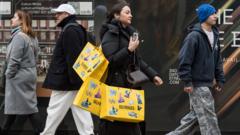
The Boxing Day sales in the UK have experienced a muted start in 2024, with a noticeable shift as shoppers increasingly prefer online shopping over physical stores. Footfall data indicates a decline in high street visits, while overall spending is predicted to drop significantly compared to last year. This trend points to a changing retail landscape and evolving consumer behaviour, making the traditional Boxing Day sales less impactful than in previous years.
Last updated: 26 December 2024 (BST)
What’s happening now
As of 3pm on Boxing Day, visits to UK high streets have decreased by 1.5% compared to the previous year, while shopping centres recorded a 0.6% fall, according to data from MRI Software. Despite a 6.7% increase in footfall at retail parks, the overall visitor numbers have not significantly changed. Barclays has revised its spending forecast, predicting shoppers will spend £3.6 billion during the sales, a steep decline from the £4.6 billion anticipated in 2024. This shift highlights a growing trend of consumers being more selective and budget-conscious during this festive period.
Key takeaways
- Shoppers are increasingly favouring online shopping over physical stores, leading to reduced footfall on high streets.
- Spending during Boxing Day sales is projected to decline, with Barclays estimating £3.6 billion in total sales.
- Despite a slight increase in budgets for those shopping, overall expenditure is expected to be lower than last year.
Timeline: how we got here
The retail landscape has evolved significantly in recent years, particularly influenced by economic factors and changing consumer behaviours. Key milestones include:
- 2019: Boxing Day sales still seen as a major retail event, with high footfall recorded across UK high streets.
- 2020: The pandemic accelerates the shift towards online shopping, impacting in-store sales dramatically.
- 2022: Retail parks begin to gain popularity as shoppers seek less crowded environments.
- 2023: Economic challenges lead to more cautious consumer spending during the festive season.
- 26 December 2024: Current data shows a decline in high street shopping and overall spending forecasts.
What’s new vs what’s known
New today/this week
The immediate data from Boxing Day 2024 reveals a continuing decline in high street visits, with consumers opting for the convenience of online shopping. The overall spending forecast has been revised downward, signalling a shift in consumer sentiment as they become more cautious with their expenditures.
What was already established
Recent trends have shown that Boxing Day sales have been diminishing in importance, with consumers increasingly turning to online platforms for their shopping needs. The prolonged pre-Christmas discounting and economic pressures have also contributed to this trend.
Impact for the UK
Consumers and households
The muted Boxing Day sales reflect a broader trend of cautious consumer spending. Households are grappling with rising costs, including higher taxes and inflation rates that remain elevated, albeit lower than previous peaks. This economic environment is influencing shopping habits, as many consumers prioritise essential spending over discretionary purchases.
Businesses and jobs
Retailers are feeling the pinch as fewer shoppers visit physical stores. Major brands like Next and John Lewis have closed their doors this Boxing Day, indicating a significant shift in their sales strategies. As businesses adapt, they may face challenges in maintaining staff levels and managing costs, particularly with increased minimum wage and National Insurance contributions.
Policy and regulation
With the Chancellor's budget announcement of up to £26 billion in tax rises by 2030, businesses and consumers alike are bracing for tighter budgets. The anticipated impact on disposable income will likely continue to affect consumer behaviour in the retail sector.
Numbers that matter
- £3.6 billion: Projected spending during Boxing Day sales in 2024, down from £4.6 billion in 2023.
- 1.5%: Decrease in high street visits recorded by 3pm on Boxing Day 2024.
- 6.7%: Increase in footfall at retail parks compared to last year.
- £17: Increase in average shopping budget for those who plan to shop this Boxing Day.
- 8.4%: Rise in spending on electronics during the Christmas run-up compared to last year.
Definitions and jargon buster
- Footfall: The number of people entering a retail location or area.
- Barclays Consumer Spend Report: An analysis published by Barclays that tracks consumer spending trends.
- National Insurance: A tax on earnings to fund state benefits in the UK.
How to think about the next steps
Near term (0–4 weeks)
As consumers continue to navigate their budgets post-Boxing Day, retailers may need to adjust their strategies to entice shoppers both online and in-store. Expect to see increased promotions and discounts aimed at clearing winter stock.
Medium term (1–6 months)
The retail sector will likely continue to face challenges, particularly as economic pressures persist. Businesses may need to innovate in their offerings and customer engagement strategies to remain competitive.
Signals to watch
- Changes in consumer spending habits as reported in retail sales data.
- Footfall trends in high streets and shopping centres as the winter progresses.
- Updates on economic policies that may affect disposable income and consumer confidence.
Practical guidance
Do
- Consider shopping online for convenience and potentially better deals.
- Monitor retail promotions in the weeks following Boxing Day for clearance sales.
- Be mindful of budget limits when planning purchases to avoid overspending.
Don’t
- Don’t feel pressured to shop in-store unless necessary; online options are often more convenient.
- Don’t overlook the importance of comparing prices to ensure the best deals.
- Don’t disregard the potential for future discounts in the new year.
Checklist
- Assess your shopping list and budget before making purchases.
- Research online sales and compare them with in-store offerings.
- Keep an eye on return policies when buying gifts or seasonal items.
- Plan your shopping times to avoid peak hours in physical stores.
- Stay informed about economic developments that may impact your spending power.
Risks, caveats, and uncertainties
The current retail environment is influenced by various uncertainties, including the ongoing impact of inflation and changes in consumer confidence. As consumer spending patterns evolve, there may be fluctuations in retail performance that are difficult to predict. The impact of government policies on disposable income and consumer behaviour must also be considered, as these factors could lead to further shifts in shopping habits.
Bottom line
The Boxing Day sales of 2024 reflect a broader trend of cautious consumer behaviour, with spending expected to decline significantly from previous years. Retailers must adapt to these changes, focusing on online strategies and budget-friendly options to attract shoppers. As the economic landscape continues to evolve, both consumers and businesses will need to remain agile in their approach to retail.
FAQs
Why are Boxing Day sales less significant this year?
The Boxing Day sales are experiencing reduced significance due to a shift towards online shopping, changing consumer habits, and economic pressures that have made shoppers more cautious.
What is the projected spending for Boxing Day 2024?
Shoppers are expected to spend £3.6 billion during Boxing Day sales in 2024, significantly down from the £4.6 billion forecast for the previous year.
How has footfall changed on Boxing Day 2024?
By 3pm on Boxing Day 2024, footfall in UK high streets decreased by 1.5% compared to last year, indicating a continuing trend of preference for online shopping.