How Does Winter Weather Impact Birdsong?
Published: 2025-12-27 17:00:24 | Category: technology
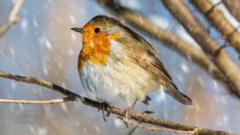
Winter in the UK brings a unique charm, with frosty mornings, occasional snowfall, and the delightful presence of robins, one of the nation's favourite garden birds. While many birds migrate south to escape the cold, species such as robins and wrens remain and continue to sing, marking their territory and brightening the winter landscape. This article explores the behaviour of these resilient birds, the changes in their songs throughout the seasons, and the phenomenon of the dawn chorus as spring approaches.
Last updated: 21 October 2023 (BST)
What’s happening now
As temperatures drop, the UK becomes a winter haven for some bird species. While most birds migrate to warmer climates, robins, wrens, blackbirds, and thrushes remain, adapting to the cold. Their persistent singing during the winter months serves as both a territorial defence mechanism and a reminder of the resilience of wildlife. For birdwatchers and nature enthusiasts, this season offers a chance to witness the unique behaviours and songs of these birds against the backdrop of a frosty landscape.
Key takeaways
- Robins and wrens are among the few birds that sing throughout winter in the UK.
- The dawn chorus begins in late January, signalling the approach of spring.
- Birdsong can change with weather conditions, often decreasing during storms.
Timeline: how we got here
The behaviour of wintering birds has been observed for many years, with notable milestones including:
- Late January: The dawn chorus starts to emerge as days lengthen.
- February: Increased singing from robins and other birds as they prepare for mating season.
- March: The chorus peaks, with a variety of species joining in as spring approaches.
What’s new vs what’s known
New today/this week
Recent observations indicate that certain bird species are adapting their singing patterns in response to changing weather conditions more than previously understood. This suggests that climate change may influence avian behaviour in the UK.
What was already established
It has long been known that some birds, like robins and wrens, sing throughout the winter. Their songs serve not only to attract mates but also to establish and defend territories against rivals.
Impact for the UK
Consumers and households
The presence of singing birds during winter can enhance the winter experience for many households, offering a sense of connection to nature. This could also encourage local wildlife tourism as birdwatchers venture out to observe these behaviours.
Businesses and jobs
Birdwatching and wildlife-related businesses may see increased interest during winter, particularly as people seek outdoor activities. This could lead to job opportunities in tourism and conservation sectors.
Policy and regulation
Conservation efforts continue to play a crucial role in protecting bird populations. Local initiatives may emerge to support habitat preservation, particularly in light of changing weather patterns affecting bird migration and behaviour.
Numbers that matter
- 5: The number of bird species commonly singing throughout winter in the UK, including robins, wrens, and blackbirds.
- 30 minutes: The ideal time before and after sunrise to hear the dawn chorus at its best.
- 2: The number of major factors influencing bird song—territorial defence and mating.
Definitions and jargon buster
- Dawn chorus: A phenomenon where birds sing at dawn, especially prominent in spring.
- Territorial song: Vocalisations made by birds to defend their territory from rivals.
- Migration: The seasonal movement of birds to find warmer climates or breeding grounds.
How to think about the next steps
Near term (0–4 weeks)
As winter progresses, birdwatchers can observe changes in bird behaviour, particularly as the dawn chorus begins to swell. It’s a good time to explore local parks and gardens to witness these changes.
Medium term (1–6 months)
As spring approaches, the intensity and variety of birdsong will increase. Planning visits to nature reserves can enhance the experience of witnessing these seasonal shifts.
Signals to watch
- Increased singing activity from various species as daylight hours extend.
- Notable changes in the frequency of specific bird calls, indicating territorial disputes.
- Migration patterns of winter birds returning home as temperatures rise.
Practical guidance
Do
- Listen for songs early in the morning for the best chance of hearing the dawn chorus.
- Take part in local birdwatching events to learn more about wintering species.
- Create a bird-friendly environment in your garden with feeders and nesting sites.
Don’t
- Disturb birds when they are nesting or defending their territory.
- Ignore weather conditions; birds are less likely to sing in harsh weather.
- Use pesticides that can harm birds and their food sources.
Checklist
- Have binoculars ready for birdwatching expeditions.
- Check local sunrise and sunset times for optimal viewing.
- Bring a notebook to record species and behaviours observed.
- Ensure to have a camera for capturing moments in nature.
Risks, caveats, and uncertainties
The behaviour of birds can be unpredictable, particularly with changing weather patterns and climate conditions. It’s essential to remain adaptable and understand that singing patterns may vary significantly year to year based on environmental factors. Additionally, the impact of human activity on habitats continues to be a concern for many bird species.
Bottom line
As winter settles in, the presence of singing birds like robins and wrens serves as a comforting reminder of nature's resilience. Observing these behaviours not only enriches our winter experience but also highlights the importance of conservation efforts to protect these beloved species in the UK.
FAQs
Why do robins sing in winter?
Robins sing in winter primarily to defend their territory and attract potential mates, despite the cold weather.
What is the best time to hear the dawn chorus?
The best time to hear the dawn chorus is approximately 30 minutes before and after sunrise, especially during late January and into spring.
How does weather affect bird singing?
Birds tend to sing less in adverse weather conditions, such as heavy rain or strong winds, as they conserve energy and seek shelter.