Is Child Abuse in Somalia Hidden in Plain Sight After an Orphan's Murder?
Published: 2025-12-29 04:00:32 | Category: world
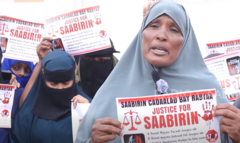
The tragic case of Saabirin Saylaan, a 14-year-old girl murdered in Somalia, has ignited widespread outrage and calls for better child protection after her caregiver, Hodan Mohamud Diiriye, was sentenced to death. This incident has exposed the harsh realities of child abuse in the country, highlighting systemic failures in safeguarding vulnerable children. The public's reaction, marked by protests and demands for justice, underscores the urgent need for reform in Somalia’s legal and social systems to protect children from violence and exploitation.
Last updated: 29 October 2023 (BST)
What’s happening now
Currently, the case of Saabirin Saylaan has led to significant public unrest in Galkayo, with protests demanding justice for the young victim and calling for systemic changes to child protection laws in Somalia. Hodan Mohamud Diiriye awaits execution after being convicted of murder, while her husband has received a lesser sentence for negligence. The case has sparked discussions around the broader issue of child abuse in Somalia, drawing attention to the inadequacies of the current legal framework and the social stigma surrounding the reporting of such crimes.
Key takeaways
- Saabirin Saylaan was murdered in November 2022, leading to public protests in Galkayo.
- Hodan Mohamud Diiriye has been sentenced to death, marking a rare instance of capital punishment for child abuse in Somalia.
- The case has highlighted significant gaps in child protection laws and enforcement in Somalia.
Timeline: how we got here
Below is a brief timeline of the key events leading up to the current situation regarding the Saabirin Saylaan case:
- September 2022: Saabirin is taken in by Hodan Mohamud Diiriye's family for assistance.
- November 2022: Saabirin is murdered, prompting investigations and public outrage.
- January 2023: Diiriye is arrested and charged with murder.
- October 2023: Diiriye is convicted and sentenced to death.
What’s new vs what’s known
New today/this week
The latest developments indicate that Hodan Mohamud Diiriye awaits execution, and her lawyer has filed an appeal against the verdict. This has raised concerns among the public about potential delays in the justice process and whether the ruling will hold under appeal.
What was already established
The horrific details surrounding Saabirin's death include evidence of severe and repeated abuse, as documented in audio and video recordings found on Diiriye’s phone. Furthermore, public protests have demonstrated a significant demand for accountability and reform in child protection laws in Somalia.
Impact for the UK
Consumers and households
While the case is specific to Somalia, it reflects broader themes of child safety and abuse that resonate globally, including in the UK. Families and communities may be prompted to re-evaluate their own child protection measures and the importance of reporting abuse in any form.
Businesses and jobs
Organisations focused on child welfare and rights may see an increased call for collaboration and support in safeguarding children, highlighting the need for training and awareness campaigns in both Somalia and the UK.
Policy and regulation
This case may influence UK policymakers and child protection advocates to strengthen existing measures, ensuring that children are better protected from abuse. Observers will be watching for any legislative changes in Somalia that may arise from the public outcry over this case.
Numbers that matter
- 1: The number of individuals sentenced to death for child abuse in Somalia, a rare occurrence.
- 130: The number of lawmakers in Somalia’s parliament who voted in favour of ratifying the African Charter on the Rights and Welfare of the Child.
- 10: The number of lawmakers who opposed the Charter, reflecting divisions on child protection measures.
Definitions and jargon buster
- African Charter on the Rights and Welfare of the Child: A regional legal framework aimed at protecting children's rights across African nations.
- Clan elders: Traditional leaders in Somali society who often mediate disputes and may influence legal proceedings.
How to think about the next steps
Near term (0–4 weeks)
In the immediate future, the focus will likely be on the appeal process for Hodan Mohamud Diiriye and the public's response to any legal developments. Continued advocacy for child protection reforms is expected.
Medium term (1–6 months)
As Somalia's government reviews child protection policies, there may be an opportunity for international organisations to assist in improving legal frameworks and enforcement mechanisms to protect children.
Signals to watch
- Updates on the appeal process for Diiriye.
- Any legislative changes or new child protection initiatives proposed by the Somali government.
- Continued public reactions and protests related to child safety issues.
Practical guidance
Do
- Engage with child protection organisations to learn about safeguarding measures.
- Support initiatives that raise awareness about child abuse and reporting mechanisms.
Don’t
- Ignore signs of abuse or violence within families.
- Assume that traditional mediation will adequately address cases of child abuse.
Checklist
- Be aware of local child protection resources and hotlines.
- Educate children about their rights and how to report abuse.
- Monitor news for updates on child protection laws and cases in your area.
Risks, caveats, and uncertainties
The ongoing appeal process poses a risk of further delays in achieving justice for Saabirin Saylaan. Additionally, societal attitudes towards child abuse and the influence of clan elders may hinder the effective enforcement of child protection laws. The situation remains fluid, and developments in the case will need to be monitored closely.
Bottom line
The tragic murder of Saabirin Saylaan has exposed significant deficiencies in child protection in Somalia, prompting necessary conversations about safeguarding children. As the legal process unfolds, it is crucial for both local and international communities to advocate for reforms that ensure the safety and rights of all children.
FAQs
What happened to Saabirin Saylaan?
Saabirin Saylaan, a 14-year-old girl, was murdered by her caregiver, Hodan Mohamud Diiriye, who has been sentenced to death. This case has sparked public protests and discussions about child protection in Somalia.
Why is this case significant?
This case highlights the systemic failures in child protection in Somalia and raises awareness about the prevalence of child abuse within families, prompting calls for reform.
What are the next steps for the justice system in this case?
The next steps include the appeal process for Hodan Mohamud Diiriye and potential legislative changes aimed at strengthening child protection laws in Somalia.