What Makes Edinburgh the Heart of Hogmanay Celebrations?
Published: 2025-12-30 02:00:28 | Category: technology
Edinburgh's Hogmanay has become synonymous with New Year celebrations, attracting tens of thousands from around the globe. This tradition, steeped in centuries of history, showcases how Scotland's capital evolved into the heart of this vibrant festivity, especially in light of its historical context and cultural significance.
Last updated: 31 October 2023 (BST)
What’s happening now
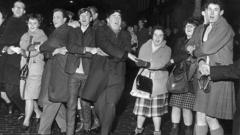
This week, Edinburgh prepares for its annual Hogmanay celebrations, which promise to be larger than ever. Tens of thousands of people are expected to fill the streets, joining in a street party that has become a hallmark of Scottish culture. This year's festivities will include live music, fireworks, and the iconic torchlight procession, drawing visitors eager to partake in the historical and cultural significance of Hogmanay.
Key takeaways
- Hogmanay, celebrated on 31 December, is Scotland's primary winter festival, largely due to historical Christmas prohibitions.
- The tradition of first-footing, where the first visitor to a home after midnight brings good luck, is a key aspect of Hogmanay.
- Edinburgh became the epicentre of Hogmanay celebrations in the 19th century, thanks to its urban culture and relative freedom from the temperance movement.
Timeline: how we got here
The evolution of Hogmanay is marked by key historical events:
- 1640: "Yule vacations" outlawed due to Reformation influences, leading to a lack of Christmas celebrations.
- 1811: A riot at the Tron during Hogmanay celebrations highlights the growing popularity of the festivities.
- 1993: Edinburgh's local council makes a concerted effort to promote Hogmanay, establishing it as a world-renowned event.
- 1996: The festival receives Guinness World Record recognition for the largest New Year's party.
- 2018: Edinburgh's Hogmanay contributes £39.8 million to Scotland's economy, showcasing its importance to local businesses.
What’s new vs what’s known
New today/this week
This year's Hogmanay event is expected to be more vibrant, with enhanced safety measures and additional entertainment options, reflecting the growing interest and need for greater crowd management. The council has also focused on sustainability, aiming to minimise the environmental impact of the festivities.
What was already established
The traditions of Hogmanay have deep roots in Scottish culture, with practices like first-footing and wassailing being integral to the celebrations. The festival has always been a time of community and celebration, with Edinburgh serving as a focal point due to its historical significance and urban infrastructure.
Impact for the UK
Consumers and households
For UK consumers, Hogmanay represents an opportunity for festive enjoyment, with many households participating in celebrations either at home or by attending events in Edinburgh. Travel to and within the city sees a significant uptick, with accommodations often fully booked well in advance.
Businesses and jobs
The Hogmanay celebrations provide a considerable boost to Edinburgh's economy, benefiting hospitality, retail, and entertainment sectors. Many local businesses rely on the influx of visitors to sustain their operations during this peak season, creating temporary jobs and increasing overall economic activity.
Policy and regulation
As the festival grows, local authorities are increasingly involved in regulating events to ensure safety and minimise disruption. This includes crowd control measures and increased police presence to manage the large gatherings that characterise Hogmanay.
Numbers that matter
- £39.8 million: Estimated economic contribution of Edinburgh's Hogmanay to Scotland in 2018.
- 1996: Year Edinburgh's Hogmanay was recognised by Guinness World Records as the largest New Year's party.
- 10,000: Estimated attendees expected for this year’s torchlight procession prior to the main event on New Year’s Eve.
Definitions and jargon buster
- Hogmanay: The Scottish celebration of New Year's Eve, marked by various customs and festivities.
- First-footing: The Scottish tradition of the first person to enter a home after midnight on New Year’s Day, seen as a bringer of good luck.
- Wassailing: A tradition of visiting homes to share a bowl of spiced alcohol, often associated with Christmas and New Year celebrations.
How to think about the next steps
Near term (0–4 weeks)
As Hogmanay approaches, visitors should plan their accommodations and travel routes in advance. Local authorities will implement safety measures to manage crowds, so staying informed about any changes is essential.
Medium term (1–6 months)
Post-Hogmanay, businesses will evaluate the event's impact on their sales and customer engagement. The local council may also review the effectiveness of their safety measures and crowd control for future events.
Signals to watch
- Visitor numbers and economic impact reports following the celebrations.
- Public feedback on safety measures and overall enjoyment of the festivities.
- Future plans announced by local authorities for subsequent events.
Practical guidance
Do
- Book accommodations early to avoid last-minute issues.
- Stay updated on local news regarding event schedules and safety protocols.
- Participate in local customs to fully experience the Hogmanay festivities.
Don’t
- Don’t ignore safety guidelines issued by local authorities.
- Don’t assume transportation will be easy; plan your travel routes in advance.
- Don’t drink excessively; enjoy responsibly while celebrating.
Checklist
- Have a plan for accommodations and transport.
- Know the schedule for events you wish to attend.
- Prepare for the weather; dress appropriately for outdoor festivities.
- Familiarise yourself with local laws regarding public behaviour and alcohol consumption.
- Engage with local traditions to enhance your experience.
Risks, caveats, and uncertainties
While Hogmanay is largely celebrated with joy, there can be risks associated with large crowds, including safety concerns and potential disruptions. The ongoing effects of the COVID-19 pandemic may also influence attendance and event management, leading to changes in how festivities are conducted in the future.
Bottom line
Edinburgh's Hogmanay stands as a vibrant celebration of Scottish culture and tradition, drawing visitors from around the world. As the festival continues to evolve, it remains crucial for both participants and local authorities to emphasise safety and community spirit, ensuring the legacy of Hogmanay thrives in the years to come.
FAQs
What is Hogmanay?
Hogmanay is Scotland's traditional New Year's Eve celebration, marked by various customs, festivities, and community gatherings.
Why is Edinburgh the home of Hogmanay?
Edinburgh became the centre of Hogmanay celebrations due to its historical significance, cultural vibrancy, and relative freedom from the temperance movement that affected other areas of Scotland.
What are some common traditions associated with Hogmanay?
Common traditions include first-footing, where the first visitor to a home after midnight brings gifts, and wassailing, a practice of sharing spiced alcohol in celebration.