Why Was Littler Booed at the World Championship?
Published: 2025-12-30 14:00:22 | Category: sport
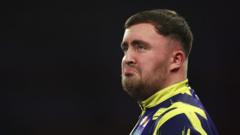
During the 2026 PDC World Darts Championship, world number one Luke Littler faced a challenging crowd dynamic, receiving boos during his victory over 2018 champion Rob Cross. This incident highlights ongoing tensions between players and audiences at darts events, where support often sways towards underdog competitors, leaving top seeds like Littler to navigate a challenging atmosphere. The trend of booing has raised concerns among players and commentators alike, prompting discussions about crowd behaviour in the sport.
Last updated: 22 October 2023 (BST)
What’s happening now
Luke Littler's recent performance at the PDC World Darts Championship has brought to light the increasingly vocal crowd reactions during matches. Despite his triumph over Rob Cross, Littler was met with a chorus of boos, a phenomenon that has become more prominent in this year's tournament. This reaction is emblematic of a wider trend where crowds rally behind underdog players, creating an atmosphere that can be both supportive and hostile for leading competitors.
Key takeaways
- Littler faced boos after defeating Rob Cross, reflecting crowd preference for underdogs.
- Previous instances of booing in darts highlight a growing trend in crowd behaviour.
- Players have been advised to tolerate crowd reactions as part of the sport's culture.
Timeline: how we got here
The current climate of crowd reactions in darts has evolved over the years. Here are some key milestones:
- 2018: Rob Cross wins the World Championship, establishing a fanbase.
- 2023: Gerwyn Price uses ear defenders to combat crowd noise, indicating rising tensions.
- 2026: Luke Littler wins against Cross but experiences significant booing from the crowd.
What’s new vs what’s known
New today/this week
Littler's poignant remarks following his match against Cross reveal his attitude towards the crowd's reaction. He expressed gratitude for the boos, framing them as part of his journey as a competitor. Additionally, Mike de Decker's Instagram post criticising the booing further highlights player dissatisfaction with crowd behaviour.
What was already established
The booing of players in darts is not a new phenomenon. Historically, audiences have often favoured underdogs, leading to mixed reactions for top players. The trend has been discussed in previous tournaments, with officials encouraging players to adapt to crowd dynamics as part of the sport's culture.
Impact for the UK
Consumers and households
The atmosphere at darts events affects not only players but also the audience experience. Fans attending matches may feel compelled to join in on crowd behaviour, which can detract from the enjoyment of the event. The rise in booing can create a divide among spectators, influencing ticket sales and attendance in future tournaments.
Businesses and jobs
For businesses involved in organising darts events, managing crowd behaviour is crucial. Negative experiences can impact sponsorships, merchandise sales, and overall event success. Ensuring a positive environment is key to maintaining the sport's popularity and financial health.
Policy and regulation
The Professional Darts Corporation (PDC) has not publicly addressed the booing issue following recent events. However, there may be discussions about implementing stricter crowd control measures to ensure a respectful atmosphere during matches. Observing how the PDC responds to this growing trend will be essential for future regulations.
Numbers that matter
- 4-2: The final score of Littler's victory over Cross, showcasing his competitive edge.
- 2018: The year Rob Cross became a world champion, marking the beginning of his fanbase.
- 18: The age of Luke Littler, making his achievements in darts particularly noteworthy.
Definitions and jargon buster
- PDC: Professional Darts Corporation, the main governing body for professional darts.
- Booing: Expressing disapproval or dissent through vocalisation, often used by crowds during sporting events.
How to think about the next steps
Near term (0–4 weeks)
As the championship progresses, players will need to prepare for crowd reactions that may continue to favour underdogs. This may require mental conditioning to handle pressure and maintain focus during matches.
Medium term (1–6 months)
Looking towards future tournaments, it will be interesting to observe whether the PDC will implement any changes in response to crowd behaviour. Players may also adjust their strategies to engage with audiences positively.
Signals to watch
- Public statements from the PDC regarding crowd control measures.
- Responses from players about their experiences in upcoming matches.
- Changes in ticket sales and attendance at future events.
Practical guidance
Do
- Encourage a supportive atmosphere during matches.
- Respect player performances, regardless of personal preferences.
Don’t
- Engage in booing or negative behaviour during matches.
- Allow crowd behaviour to detract from the enjoyment of the sport.
Checklist
- Understand the impact of crowd behaviour on player performance.
- Stay informed about PDC regulations on crowd conduct.
- Support your favourite players positively during events.
Risks, caveats, and uncertainties
The evolving nature of crowd behaviour in darts presents uncertainties for players and event organisers. As boos and negative reactions increase, the potential for conflicts between players and fans may rise. How the PDC addresses these issues will be critical for maintaining the integrity and enjoyment of the sport.
Bottom line
The recent booing of Luke Littler during the World Darts Championship reflects a growing trend in crowd behaviour that could impact the sport's future. As players navigate these challenges, the PDC's response will be crucial in shaping a positive environment for both players and fans moving forward.
FAQs
Why was Luke Littler booed during his match?
Luke Littler faced boos during his match against Rob Cross due to crowd support for the underdog, which has become a trend in recent darts tournaments.
What have players said about crowd behaviour?
Players like Mike de Decker have voiced concerns about booing, stating it shouldn't be normal or accepted in the sport.
How does booing affect players during tournaments?
Booing can create a hostile atmosphere, which may impact player focus and performance, making it crucial for competitors to develop strategies to cope with crowd dynamics.