Can We Save South Africa's Albatross from Deadly Fishing Lines?
Published: 2025-12-31 02:00:28 | Category: technology
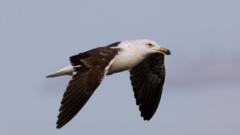
A group of bird watchers on a small boat near Cape Town, South Africa, are witnessing a remarkable yet concerning phenomenon as they observe endangered seabirds, such as albatrosses, gathering around fishing trawlers. These birds have learned to associate fishing boats with food, but this reliance can lead to accidental deaths due to bycatch. Conservationists are working to mitigate these risks through initiatives like bird scaring lines, which help protect these vulnerable species while also benefiting local fisheries.
Last updated: 17 October 2023 (BST)
What’s happening now
Currently, conservation efforts are intensifying to protect seabirds, particularly albatrosses, from the dangers posed by commercial fishing in South African waters. The Cape Town Pelagics tour boat provides a unique opportunity for bird watchers to observe these magnificent creatures while highlighting the pressing issues surrounding their survival. The interaction between seabirds and fishing trawlers showcases both the beauty and fragility of marine ecosystems, prompting urgent discussions about sustainable fishing practices.
Key takeaways
- Seabirds, including albatrosses, are highly vulnerable to fishing activities, particularly bycatch.
- BirdLife South Africa has been working for over 20 years to reduce seabird deaths caused by fishing vessels.
- Innovative solutions like bird scaring lines are crucial for protecting seabirds while supporting local fisheries.
Timeline: how we got here
The interaction between seabirds and fishing practices has evolved significantly over the years. Here’s a brief timeline of key events:
- 1990s: Tori lines, now known as bird scaring lines, were developed by Japanese fishermen to reduce seabird bycatch.
- 2004: The Albatross Task Force was established to address the high rates of seabird deaths in southern African fisheries.
- 2020s: Continued efforts demonstrate a 90% reduction in seabird deaths in the region due to improved fishing practices and awareness.
What’s new vs what’s known
New today/this week
Recent reports underscore the importance of implementing bird scaring lines on fishing vessels, particularly in light of successes seen in southern Africa. Conservationists are advocating for broader adoption of these measures to mitigate the risks to seabirds.
What was already established
It is well-documented that seabirds, especially albatrosses, are endangered due to their interactions with commercial fishing operations. Long lines and net cables pose significant threats, resulting in accidental deaths, which have been a persistent issue for decades.
Impact for the UK
Consumers and households
As awareness around sustainable fishing practices grows, UK consumers may find themselves increasingly influenced by the conservation status of species like the albatross. This could lead to a shift in purchasing behaviours towards sustainably sourced seafood.
Businesses and jobs
The fishing industry in the UK will need to navigate the balance between productivity and sustainable practices. Implementing bird scaring lines can reduce bycatch and preserve seabird populations, leading to long-term benefits for fisheries.
Policy and regulation
UK policymakers are likely to face pressure to enhance regulations surrounding fishing practices to protect endangered seabirds. As global awareness increases, the UK may need to align with international standards for sustainable fishing.
Numbers that matter
- 90%: Reduction in seabird deaths in southern African fisheries since the Albatross Task Force was established.
- 4,000: Average number of hooks on long lines used in commercial fishing, posing a significant risk to seabirds.
- 22: Total species of albatrosses globally, with 15 species threatened by fishing activities.
Definitions and jargon buster
- Bycatch: The unintentional capture of non-target species, including seabirds, during fishing operations.
- Long lines: A commercial fishing method that employs long fishing lines with multiple hooks to catch large fish.
- Bird scaring lines: Lines equipped with colourful streamers designed to deter seabirds from fishing nets and lines.
How to think about the next steps
Near term (0–4 weeks)
Expect increased outreach from conservation groups to fishermen regarding the importance of bird scaring lines. Workshops and training sessions may also be planned to facilitate the adoption of these measures.
Medium term (1–6 months)
There may be further studies published on the effectiveness of bird scaring lines in different fisheries, potentially leading to more widespread regulatory requirements.
Signals to watch
- Monitoring reports on seabird populations in relation to fishing practices.
- Changes in legislation regarding bycatch and fisheries management.
- Increased collaboration efforts between conservation organisations and fisheries.
Practical guidance
Do
- Support fisheries that implement sustainable practices.
- Stay informed about the conservation status of seabirds and marine biodiversity.
Don’t
- Ignore the impact of fishing practices on seabird populations.
- Assume that bycatch is only a problem in distant waters; it affects global ecosystems.
Checklist
- Research the sources of your seafood to ensure sustainable practices.
- Advocate for policies that protect marine wildlife.
- Engage with local conservation efforts to support seabird protection.
Risks, caveats, and uncertainties
While the adoption of bird scaring lines shows promise in reducing seabird bycatch, challenges remain. Fishermen often face competing priorities such as time constraints and safety concerns, which can hinder compliance. Additionally, ongoing research is required to fully understand the long-term effects of these conservation measures on seabird populations.
Bottom line
The plight of albatrosses and other seabirds in the face of commercial fishing practices is a pressing issue that necessitates urgent action. By promoting sustainable fishing methods and innovations like bird scaring lines, both conservationists and fisheries can work towards a future where these majestic birds continue to thrive.
FAQs
What are bird scaring lines?
Bird scaring lines are colourful streamers used on fishing vessels to deter seabirds from getting caught in fishing lines and nets, helping to reduce bycatch.
Why are albatrosses endangered?
Albatrosses are endangered primarily due to bycatch from fishing operations, habitat loss, and their low reproductive rates, as they only lay one egg every two years.
How can I help protect seabirds?
You can support sustainable fishing practices, raise awareness about the issues facing seabirds, and engage with local conservation initiatives to make a difference.