Are You Prepared to Save Yourself?
Published: 2026-01-08 10:20:00 | Category: health
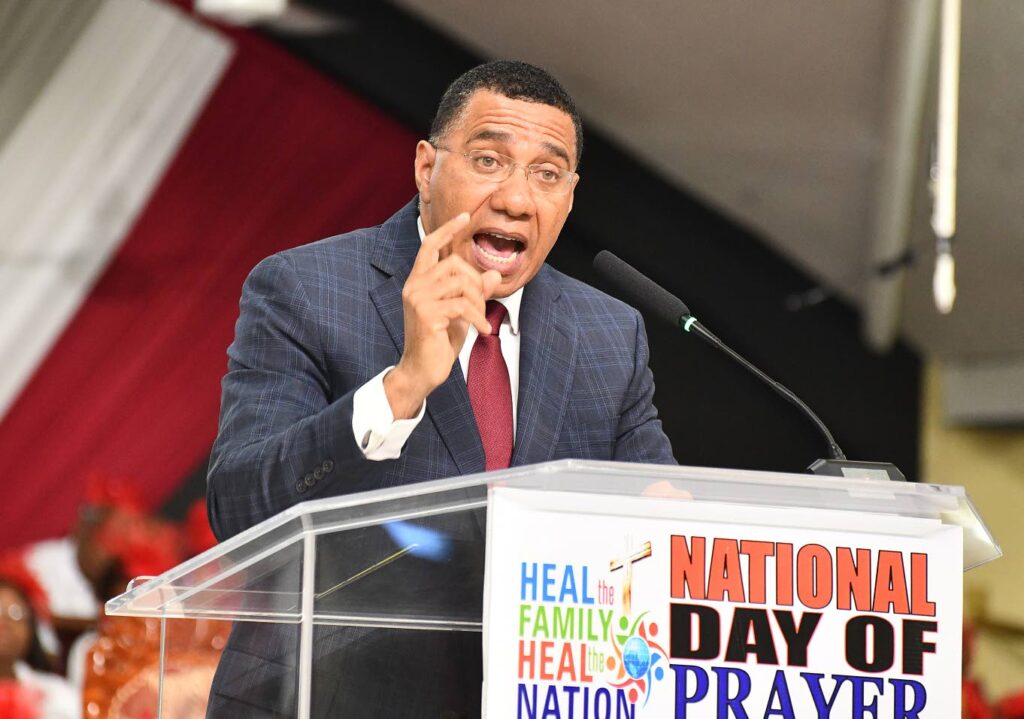
Jamaica's Prime Minister Dr Andrew Holness has made a compelling appeal to criminals to abandon their violent lifestyles, urging them to "save yourselves" during the National Day of Prayer event. This comes in the context of a significant reduction in the country's murder rate, with fewer than 700 murders reported in 2025, marking a historic turning point for crime in Jamaica. Despite this progress, Holness emphasised that the fight against violence is ongoing and requires collective effort from all sectors, including the church, to address deeper societal issues.
Last updated: 08 January 2026 (BST)
What’s happening now
During a recent address at the 'Heal the Family, Heal the Nation' National Day of Prayer service, Prime Minister Andrew Holness highlighted the remarkable decline in Jamaica's murder rate, recognising the efforts made to combat violence and organised crime. However, he cautioned that while the statistics show improvement, other forms of violence, such as domestic disputes and juvenile delinquency, remain prevalent. Holness called for a united approach to tackling these issues, particularly urging the church to play a proactive role in community outreach and crime prevention.
Key takeaways
- Jamaica recorded fewer than 700 murders in 2025, the lowest in over three decades.
- Prime Minister Holness urged criminals to turn away from violence during a National Day of Prayer.
- Holness acknowledged the need for ongoing efforts to address domestic violence and juvenile delinquency.
- The Prime Minister emphasised the importance of family and community support in reducing crime.
- Holness highlighted the role of the church in intervening with at-risk youth.
Timeline: how we got here
The significant reduction in Jamaica's murder rate can be traced back over several years, marked by key initiatives and societal changes:
- 2023: Jamaica sees a 7% reduction in murders.
- 2024: Further efforts lead to a 19% decrease in the murder rate.
- 2025: The country achieves a historic milestone with less than 700 murders, reflecting a 42% reduction from previous years.
What’s new vs what’s known
New today/this week
Prime Minister Holness's appeal at the National Day of Prayer is a direct response to the recent drop in crime. He has called for a concerted effort to not only maintain this progress but to improve upon it, especially regarding issues of domestic violence and youth delinquency.
What was already established
Prior to this address, Jamaica had already been experiencing a steady decline in murders, attributed to various government initiatives targeting organised crime. The emphasis on community and family support has been a consistent theme in Holness's speeches over the years.
Impact for the UK
Consumers and households
While the reduction in crime primarily impacts Jamaica, it can have ripple effects for UK residents with connections to the Caribbean. A safer Jamaica could foster increased tourism and investment opportunities, which may lead to better economic conditions for families with ties to the country.
Businesses and jobs
Businesses in Jamaica may benefit from a more stable environment, potentially attracting foreign investment. For UK-based companies looking to invest in Caribbean markets, reduced crime rates can enhance prospects for sustainable operations.
Policy and regulation
The Jamaican government's ongoing legislative efforts to address crime and violence could serve as a model for other countries, including the UK, in terms of community engagement and the role of faith-based organisations in public policy.
Numbers that matter
- 700: The benchmark for murders in Jamaica in 2025, marking a historic low.
- 42%: The percentage reduction in murders from the previous year.
- 95%: The statistic indicating that most murder victims and perpetrators are young men.
- 70%: The proportion of murders linked to gang activity, highlighting the need for community intervention.
- 15: The target murder rate per 100,000 population that Jamaica aims to achieve.
Definitions and jargon buster
- Domestic violence: Abuse or violence between individuals in a domestic setting, often within intimate relationships.
- Juvenile delinquency: Participation in illegal behaviour by minors.
- Organised crime: Criminal activities that are coordinated by structured groups, often involving illegal trade and violence.
How to think about the next steps
Near term (0–4 weeks)
In the immediate future, the focus will likely remain on maintaining public safety and continuing community outreach efforts led by both government and church organisations.
Medium term (1–6 months)
Over the next few months, ongoing initiatives aimed at reducing violence, particularly in vulnerable communities, will take precedence. Policymakers may introduce programmes targeting family support and youth engagement.
Signals to watch
- Monitor crime statistics for any changes in trends, particularly in urban areas.
- Look for announcements regarding new community programmes aimed at reducing juvenile delinquency.
- Track government policy updates on family support initiatives and their implementation.
Practical guidance
Do
- Engage with community organisations to support local youth programmes.
- Participate in or initiate discussions around family engagement in education.
- Support local initiatives that promote non-violence and community building.
Don’t
- Ignore the signs of domestic violence or juvenile delinquency in your community.
- Assume that crime reduction is solely a government responsibility; community involvement is crucial.
- Dismiss the importance of church and community institutions in addressing societal issues.
Checklist
- Identify local organisations working on crime prevention.
- Attend community meetings to stay informed about local initiatives.
- Volunteer your time or resources to support families and youth in need.
- Stay aware of updates from local authorities regarding crime trends.
- Encourage others in your network to get involved in crime reduction efforts.
Risks, caveats, and uncertainties
While the reduction in Jamaica's crime rate is promising, it is essential to recognise that underlying societal issues still exist. Factors such as poverty, lack of education, and social disintegration continue to fuel violence. Moreover, changes in government policy and societal attitudes towards crime will play a critical role in sustaining these gains. The situation remains fluid, and vigilant monitoring of crime trends is necessary to ensure that progress is maintained.
Bottom line
The recent appeal by Prime Minister Holness underscores a pivotal moment for Jamaica as it navigates the complexities of crime reduction. The call for community and church involvement highlights the necessity of collective responsibility in fostering a safer society. As Jamaica moves forward, the focus must remain on both immediate actions and long-term strategies to address the root causes of violence, ensuring that the hard-won progress is not lost.
FAQs
What is the current murder rate in Jamaica?
The murder rate in Jamaica for 2025 was reported to be fewer than 700 murders, marking a significant decline from previous years.
What actions is the Jamaican government taking to reduce crime?
The government is focusing on legislative measures to tackle organised crime and is encouraging community and church involvement in crime prevention efforts.
How can individuals contribute to crime reduction in Jamaica?
Individuals can engage with community initiatives, support youth programmes, and promote family involvement in education as part of efforts to reduce crime.