What Should You Know About Uganda's Election: The Musician vs. The Strongman?
Published: 2026-01-09 15:00:30 | Category: world
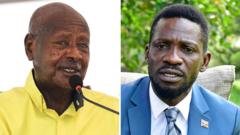
As Uganda prepares for its upcoming presidential elections on 15 January, voters face a pivotal choice between the long-standing rule of President Yoweri Museveni and the reformist vision of challenger Bobi Wine. With Museveni in power since 1986, this election represents a critical moment for the nation's future, especially amid rising youth unemployment and ongoing concerns about governance and human rights. The elections come at a time when a significant portion of the electorate is seeking change, potentially making this one of the most consequential votes in Uganda's history.
Last updated: 12 January 2024 (BST)
What’s happening now
With just days to go before the polls, the atmosphere in Uganda is tense. President Yoweri Museveni, who has been in power for nearly four decades, is campaigning for a seventh consecutive term, while Bobi Wine, a popular musician turned politician, is rallying support for his vision of change. The lead-up to the election has been marred by reports of violence, harassment of opposition members, and disruptions to campaign events. Bobi Wine has called for voters to protect their ballots against possible rigging, reflecting widespread concerns about the integrity of the electoral process.
Key takeaways
- The election on 15 January will determine whether Museveni continues his long reign or if Bobi Wine can secure a historic victory.
- High youth unemployment and economic concerns are central issues for voters, particularly among the under-30 demographic.
- Election integrity is under scrutiny, with fears of vote rigging and government suppression of opposition activities.
Timeline: how we got here
The path to the upcoming election has been shaped by significant events over the last few years:
- 1986: Yoweri Museveni comes to power after leading a successful guerrilla war.
- 2021: Museveni wins the presidential election amid allegations of rigging and a crackdown on opposition, securing 58% of the votes against Bobi Wine's 35%.
- 2024: As the 15 January elections approach, campaign activities intensify, marred by violence and suppression of dissent.
What’s new vs what’s known
New today/this week
In the final days leading up to the election, tensions have escalated, with reports of increased harassment against Bobi Wine's supporters and disruptions to his rallies. The government has assured that the election will be fair, despite widespread scepticism from civil society and international observers.
What was already established
Yoweri Museveni's administration has been marked by accusations of human rights abuses and a lack of democratic freedoms. His long tenure has raised questions about governance and accountability, while Bobi Wine has emerged as a significant challenger, advocating for reforms and youth empowerment.
Impact for the UK
Consumers and households
The economic landscape in Uganda is a critical issue, with rising youth unemployment and concerns about access to quality education and healthcare. UK observers and policymakers may watch the election's outcome closely, as it could influence regional stability and economic partnerships.
Businesses and jobs
Potential changes in Uganda's leadership may affect foreign investment and trade relations, particularly if Bobi Wine's promises of reform resonate with the electorate. Businesses operating in Uganda will be keenly aware of the implications for stability and governance.
Policy and regulation
Changes in leadership could prompt shifts in policy, particularly regarding human rights and governance. The UK's engagement with Uganda may evolve based on the election results, influencing aid and diplomatic efforts.
Numbers that matter
- 21.6 million: The number of registered voters in Uganda for the upcoming election.
- 58%: The percentage of votes that Museveni secured in the 2021 election.
- 140th: Uganda's ranking out of 180 in Transparency International's Corruption Perceptions Index.
Definitions and jargon buster
- NUP: National Unity Platform, the political party led by Bobi Wine.
- Human rights abuses: Violations of the basic rights and freedoms to which all humans are entitled.
How to think about the next steps
Near term (0–4 weeks)
As the election takes place, attention will focus on the immediate reactions from both candidates and their supporters. Monitoring of the vote counting process will be crucial to ensure transparency.
Medium term (1–6 months)
The aftermath of the election will reveal whether Museveni retains power or if Bobi Wine's movement signals a shift in Uganda's political landscape. Economic policies and governance approaches will be key areas to watch.
Signals to watch
- Reports from independent observers regarding the conduct of the elections.
- Reactions from the international community regarding the legitimacy of the election results.
- Changes in public sentiment and political engagement among the youth population.
Practical guidance
Do
- Stay informed about election developments through reliable news sources.
- Participate in discussions about the implications of the election results.
Don’t
- Engage in any actions that could be seen as inciting violence or unrest.
- Assume that the election results will be free from controversy without scrutiny.
Checklist
- Verify your voter registration status if you are a Ugandan citizen.
- Understand the voting process and what to expect on election day.
- Monitor credible news outlets for updates on the election results.
Risks, caveats, and uncertainties
The potential for violence and electoral misconduct remains high, particularly given the history of previous elections in Uganda. The international community is closely monitoring the situation, but uncertainties about the government's commitment to a fair electoral process persist. Observers should remain cautious given the reports of intimidation and harassment of opposition supporters.
Bottom line
The upcoming Ugandan presidential election represents a crucial juncture for the country. With high stakes for governance and economic prospects, the choices made by Ugandans on 15 January could shape the nation's trajectory for years to come. Voters are urged to approach the polls with awareness of the implications of their decisions.
FAQs
What is the date of the Ugandan presidential election?
The Ugandan presidential election is scheduled for 15 January 2024, with polls opening at 07:00 local time (04:00 GMT).
Who are the main candidates in the election?
The main candidates are President Yoweri Museveni and Bobi Wine, who is challenging him for the presidency.
What are the key issues affecting voters in Uganda?
Key issues include high youth unemployment, economic management, human rights abuses, and concerns about the integrity of the electoral process.