What Happened to the Defaced Silhouettes of Women in India?
Published: 2026-01-10 01:00:54 | Category: technology
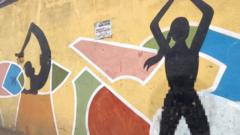
The recent viral video showcasing defaced yoga-themed artwork in Gwalior has ignited significant outrage on social media, highlighting ongoing issues of gender-based disrespect in public spaces. The incident, which involved the defacement of female silhouettes, has prompted discussions about the deeper societal mindset behind such vandalism, as activists call for a shift in attitudes rather than just superficial fixes.
Last updated: 02 October 2023 (BST)
What’s happening now
The situation surrounding the defaced murals in Gwalior has escalated, drawing attention from local authorities and activists alike. The murals, which were part of a city beautification project, depicted black silhouettes in yoga poses. After a student shared a video showing the defaced artwork, the public reacted with widespread anger, deeming the act a reflection of deep-seated misogyny. In response, the Gwalior Municipal Corporation undertook immediate action, opting to whitewash the wall in question. However, many activists argue that this approach addresses the symptom rather than the root cause of the issue.
Key takeaways
- The defacement of yoga-themed murals in Gwalior has sparked outrage over gender disrespect in public art.
- Activists argue that simple restoration won't change the underlying attitudes that led to the vandalism.
- Efforts to engage young men in discussions about respect and consent are seen as crucial for long-term change.
Timeline: how we got here
Here’s a brief timeline highlighting key events related to the incident:
- Week of 25 September 2023: A school student in Gwalior shares a video on Instagram showing the defaced murals, igniting public outrage.
- 27 September 2023: The Gwalior Municipal Corporation responds by whitewashing the defaced wall, with a spokesperson attributing the vandalism to "miscreants."
- 1 October 2023: Local resident Lokendra Singh paints over the defaced areas with black paint, gaining attention for his efforts to restore the artwork.
- Following days: Activists continue to highlight the need for a cultural shift regarding women’s representations in public spaces.
What’s new vs what’s known
New today/this week
The recent actions by the Gwalior Municipal Corporation to whitewash the murals have not been well received by activists, who argue that this is a superficial solution to a deeper societal issue. The corporation's announcement of a "street wall painting competition" has also faced criticism for not addressing the original themes of feminism and respect.
What was already established
The cultural context surrounding women's representations in art and public spaces in India has long been contentious. The incident in Gwalior is not isolated but part of a broader pattern of objectification and disrespect towards women, as seen in both public spaces and artistic representations.
Impact for the UK
Consumers and households
While this incident occurred in India, it resonates globally, including in the UK, where discussions about gender representation and respect in public art are increasingly relevant. The focus on women's safety and dignity is a universal concern that affects how communities engage with public spaces and art.
Businesses and jobs
In the UK, businesses and organisations may need to consider the implications of public art on community sentiment and social responsibility. The Gwalior incident underscores the necessity for companies to foster inclusive environments that respect all individuals, potentially influencing hiring practices and community outreach strategies.
Policy and regulation
The response from local authorities in Gwalior could prompt discussions in the UK about how public art is created and maintained. Policymakers may need to ensure that public spaces reflect diverse voices and promote respect for all genders, possibly leading to new regulations around public art projects and community engagement.
Numbers that matter
- 1: Number of viral videos that sparked national outrage over the defacement of public art.
- 50+: Number of social media posts expressing anger and disappointment over the vandalism.
- 2: Number of significant responses from local authorities, including whitewashing and a planned painting competition.
Definitions and jargon buster
- Vandalism: The deliberate destruction or defacement of property, often public art.
- Gender-based disrespect: Actions or attitudes that demean individuals based on their gender, often resulting in a lack of respect or equality.
How to think about the next steps
Near term (0–4 weeks)
In the immediate future, attention will likely remain on Gwalior as community discussions unfold. Activists may organise public forums to address attitudes towards women's portrayal in art and public spaces.
Medium term (1–6 months)
Over the next few months, there could be a shift towards implementing educational programmes aimed at young men to challenge existing norms and promote respectful attitudes. Local governments might also consider policies to protect public art from vandalism.
Signals to watch
- Community engagement events addressing gender issues in public spaces.
- Public sentiment on social media regarding women’s representation in art.
- Policy changes or new initiatives from local governments in response to public outrage.
Practical guidance
Do
- Engage in discussions about gender representation in public art.
- Support local initiatives that promote inclusivity and respect.
Don’t
- Ignore acts of vandalism as mere mischief; recognise their broader implications.
- Assume that restoring artwork will change underlying societal attitudes.
Checklist
- Reflect on how public art is perceived in your community.
- Consider how gender representations in art impact societal norms.
- Stay informed about local discussions on public art and gender issues.
- Participate in community events that promote inclusivity.
Risks, caveats, and uncertainties
The situation in Gwalior illustrates the ongoing struggles surrounding gender representation in public spaces. There is a risk that the focus on restoring the artwork may divert attention from the necessary conversations about the attitudes that led to the vandalism. Additionally, the lack of identifiable perpetrators highlights the challenges in addressing such societal issues effectively.
Bottom line
The incident in Gwalior serves as a stark reminder of the pervasive issues of gender disrespect that exist in society. While the immediate response has been to restore the defaced artwork, the real challenge lies in changing the mindsets that condone such actions. This situation calls for a collective effort to foster a culture of respect and equality in public spaces, not just in India but globally.
FAQs
What was the cause of the outrage in Gwalior?
The outrage stemmed from the defacement of yoga-themed murals depicting women, which many viewed as a reflection of deeper societal disrespect towards women.
What action did local authorities take in response to the vandalism?
Local authorities whitewashed the defaced murals in Gwalior, but many activists argue that this addresses the symptom rather than the root problem of societal attitudes.
How can communities address similar issues of gender disrespect in public art?
Communities can engage in discussions about gender representation, support initiatives promoting inclusivity, and educate young men on the importance of respect towards women.