Why Did Niger Revoke Tanker Drivers' Licenses Over a Jihadist Blockade?
Published: 2026-01-13 11:00:34 | Category: world
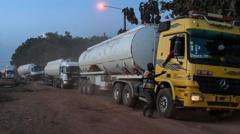
The recent decision by Niger to revoke the licences of transport operators and drivers highlights the escalating challenges faced by fuel delivery routes to Mali, where jihadist threats have made transportation increasingly perilous. This situation has significant implications for fuel supply in Mali, which is heavily reliant on imports due to its landlocked status.
Last updated: 06 January 2024 (BST)
What’s happening now
Niger's transport ministry has revoked the licences of 14 transport operators and 19 drivers following their refusal to deliver fuel to Mali. This refusal stems from the heightened risk of jihadist attacks along the supply routes, particularly after the al-Qaeda affiliate Jama'at Nusrat al-Islam wal-Muslimin (JNIM) imposed a blockade on fuel shipments in September 2023. The blockade has led to violent attacks on petrol tankers, exacerbating the energy crisis in Mali.
Key takeaways
- Niger has revoked the licences of transport operators and drivers who refused to deliver fuel to Mali.
- The al-Qaeda affiliate JNIM has imposed a blockade and is attacking fuel convoys.
- Mali relies on fuel imports, and the current blockade has led to severe shortages.
Timeline: how we got here
The situation has escalated over the past year, with significant milestones including:
- September 2023: JNIM imposes a fuel blockade on Mali, leading to increased attacks on fuel tankers.
- July 2023: Niger signs a deal to supply 85 million litres of fuel to Mali over six months.
- Last November: Niger successfully delivered 82 fuel tankers to Mali, temporarily stabilising the energy supply.
- January 2024: Niger's transport ministry revokes licences of transport operators and drivers for refusing deliveries.
What’s new vs what’s known
New today/this week
As of January 2024, Niger's government has publicly announced the revocation of licences for transport operators and drivers who refused to risk their lives to deliver fuel to Mali. The transport minister described these refusals as serious violations of regulatory obligations.
What was already established
The ongoing fuel blockade by JNIM has been a significant issue for Mali, which heavily depends on imports due to its landlocked geography. The security situation in the region has been deteriorating for years, with jihadist groups attacking transport routes and causing ongoing humanitarian crises.
Impact for the UK
Consumers and households
The fuel shortage in Mali has ramifications beyond its borders. UK citizens with ties to Mali or those travelling to the region may face disruptions. The US and France have issued travel advisories, indicating the seriousness of the situation and the potential for increased instability.
Businesses and jobs
Transport operators and businesses involved in fuel logistics are facing significant challenges. The refusal of drivers to undertake dangerous deliveries affects the supply chain and impacts businesses reliant on fuel, potentially leading to job losses in the sector.
Policy and regulation
The situation in Mali and Niger raises questions about regional security cooperation and the effectiveness of the military juntas in both countries. As they face increasing threats from jihadist groups, new policies and international support may be needed to stabilise the region.
Numbers that matter
- 1,400 km (870 miles): The distance between Niger and Mali that fuel convoys must traverse.
- 85 million litres: The volume of fuel Niger agreed to supply to Mali over six months.
- 82: The number of fuel tankers delivered to Mali by Niger last November, temporarily alleviating shortages.
Definitions and jargon buster
- JNIM: Jama'at Nusrat al-Islam wal-Muslimin, an al-Qaeda affiliate involved in jihadist activities in the Sahel region.
- Military junta: A government led by a committee of military leaders, often following a coup.
How to think about the next steps
Near term (0–4 weeks)
In the immediate future, the situation is unlikely to improve unless security conditions change. Transport operators may continue to refuse deliveries due to the risk of jihadist attacks, potentially leading to further sanctions from the Nigerien government.
Medium term (1–6 months)
Over the next few months, Mali's energy crisis may worsen unless alternative routes or sources of fuel can be established. Diplomatic efforts may be needed to ensure safe passage for fuel deliveries.
Signals to watch
- Any increase in attacks on fuel convoys, which could indicate worsening security conditions.
- Government statements from Niger regarding transport regulations and sanctions.
- International responses from the UK, US, and EU regarding the situation in Mali.
Practical guidance
Do
- Stay informed about travel advisories if planning to visit Mali or Niger.
- Monitor updates from regional governments regarding security measures.
Don’t
- Ignore travel warnings issued by governments regarding the safety of the region.
- Assume the situation will resolve quickly; it may require international intervention.
Checklist
- Check travel advisories regularly.
- Understand the risks of travel in regions affected by jihadist violence.
- Research local conditions and potential alternatives for travel routes.
Risks, caveats, and uncertainties
The situation remains fluid, with numerous uncertainties surrounding the security landscape in Mali and Niger. Jihadist groups may continue to expand their operations, and international responses could vary. The potential for further violence against transport operators poses risks to fuel delivery routes and broader regional stability.
Bottom line
The revocation of transport licences in Niger underscores the dire security challenges facing fuel deliveries to Mali. As the situation develops, it is crucial for stakeholders to remain vigilant and adaptable to changing circumstances in order to mitigate the impact of potential fuel shortages.
FAQs
What is the reason for the fuel blockade in Mali?
The fuel blockade in Mali is imposed by the jihadist group JNIM, which has been attacking fuel tankers, making transportation perilous.
How does the fuel shortage affect Mali's population?
Mali's fuel shortage has caused significant disruptions, leading to temporary closures of schools and universities and potential humanitarian crises.
What actions has the Nigerien government taken regarding transport operators?
The Nigerien government has revoked the licences of transport operators and drivers who refused to deliver fuel to Mali, citing violations of legal obligations.