How Did a Crane Collapse on a Train in Thailand, Leaving 28 Dead?
Published: 2026-01-14 10:00:38 | Category: technology
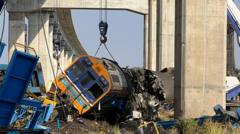
At least 28 people have tragically died and 64 others have been injured after a construction crane fell onto a moving train in north-eastern Thailand. This catastrophic incident not only derailed the train but also crushed several carriages, sparking a fire. The train, which was carrying approximately 195 passengers from Bangkok to Ubon Ratchathani, was struck by the crane at around 09:00 local time (02:00 GMT). Rescue efforts were swift, with all passengers evacuated and many injured transported to nearby hospitals. The Thai government has launched an investigation into the accident, highlighting ongoing safety concerns in the construction industry.
Last updated: 21 October 2023 (BST)
What’s happening now
The immediate aftermath of the crane collapse has seen emergency services working tirelessly to manage the situation. Rescuers successfully evacuated all passengers from the train, and many of the injured have been taken to hospitals, with eight reported in severe condition. The Thai Prime Minister, Anutin Charnvirakul, has demanded accountability for the incident, emphasising the need for stringent safety measures in construction projects. The tragic event has reignited discussions about the enforcement of safety standards in Thailand, particularly in light of previous construction-related disasters.
Key takeaways
- 28 fatalities confirmed, with 64 injuries, including severe cases.
- The incident involved a crane from a China-backed railway project.
- The Thai government has initiated an investigation into safety protocols.
Timeline: how we got here
The events leading to this tragic accident unfolded as follows:
- 02:00 GMT (09:00 local time): The crane fell onto a moving train, resulting in multiple fatalities and injuries.
- Immediately following the incident: Rescue operations commenced, with all passengers evacuated from the train.
- Post-incident: The Thai government orders an investigation into safety lapses associated with the construction project.
What’s new vs what’s known
New today/this week
The most recent reports confirm the death toll has risen to 28, with injuries affecting both young and elderly individuals. Rescue efforts have been ongoing, and various passengers have shared harrowing accounts of the incident.
What was already established
Prior to this incident, Thailand had faced a series of construction-related accidents attributed to lapses in safety standards and regulatory enforcement. This history raises concerns regarding the safety of ongoing infrastructure projects in the country.
Impact for the UK
Consumers and households
While the incident is primarily a local tragedy, it brings into focus the importance of stringent safety measures in construction, which can resonate with UK readers concerned about similar safety issues in their own infrastructure projects.
Businesses and jobs
The crane collapse may impact ongoing construction projects in Thailand, particularly those linked to international investments. Businesses involved in construction materials and safety equipment may face increased scrutiny and demand for compliance with regulations.
Policy and regulation
As the Thai government investigates the incident, there may be a push for stricter regulations and enforcement of safety standards in the construction industry. This could prompt discussions on regulatory reforms that may also influence UK businesses operating internationally.
Numbers that matter
- 28 confirmed dead, with ongoing investigations into the cause of the accident.
- 64 individuals injured, eight of whom are in severe condition.
- 195 passengers were aboard the train at the time of the incident.
Definitions and jargon buster
- Construction crane: A type of machine used to lift heavy materials, typically used in construction sites.
- Ubon Ratchathani: A province in north-eastern Thailand, known for its cultural heritage and as a travel destination.
- China-backed project: A construction project funded or supported by Chinese investment, often involving infrastructure development.
How to think about the next steps
Near term (0–4 weeks)
In the immediate aftermath, expect extensive media coverage and public discourse surrounding safety regulations in Thailand's construction sector. Government responses and investigations will also likely unfold quickly.
Medium term (1–6 months)
Longer-term implications may include reforms in safety regulations and increased government oversight in the construction industry. The incident may also affect public confidence in infrastructure projects.
Signals to watch
- Updates from the ongoing investigation into the accident.
- Reactions from the Thai government regarding construction safety regulations.
- Public sentiment and media coverage surrounding safety in construction projects.
Practical guidance
Do
- Stay informed about the developments in safety regulations in construction, both in Thailand and the UK.
- Engage with local authorities if you are involved in construction projects to ensure compliance with safety standards.
Don’t
- Ignore the importance of safety standards in construction; negligence can have deadly consequences.
- Assume that previous accidents won't lead to significant changes in policy—public pressure can drive reform.
Checklist
- Are all safety measures in place for your construction projects?
- Have you reviewed the latest regulations governing safety in construction?
- Is there a protocol for reporting safety concerns in your workplace?
Risks, caveats, and uncertainties
As investigations continue, the exact cause of the crane accident remains uncertain. Factors such as equipment failure, human error, or insufficient safety measures are under scrutiny. It is essential to monitor updates from official investigations to gain clarity on accountability and potential reforms.
Bottom line
The tragic crane collapse in Thailand serves as a stark reminder of the critical importance of enforcing safety standards in construction. As investigations unfold, the focus will likely shift towards accountability and necessary reforms to prevent such incidents in the future.
FAQs
What caused the crane to fall onto the train?
The exact cause of the crane's fall is currently under investigation. Early indications suggest potential negligence or safety lapses in the construction process.
How many people were on the train during the accident?
Approximately 195 passengers were aboard the train when the crane fell, leading to multiple injuries and fatalities.
What action is the Thai government taking in response to the incident?
The Thai government has ordered an investigation to determine accountability and is expected to review safety regulations in the construction industry.