Could Fake Doctor-Endorsed Videos Put Patients at Risk?
Published: 2026-01-15 08:00:34 | Category: technology
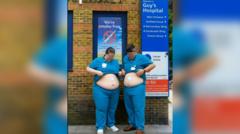
A hospital trust in south London has raised alarms over fraudulent videos circulating online that falsely claim its clinicians endorse weight loss products. Guy's and St Thomas' NHS Foundation Trust emphasised that these misleading videos, which show AI-generated images of doctors using weight loss patches, do not feature any of its actual staff. The Trust has urged the public to seek weight loss advice from reputable NHS sources instead.
Last updated: 26 October 2023 (BST)
What’s happening now
The Guy's and St Thomas' NHS Foundation Trust is actively combating the spread of fraudulent videos that mislead the public regarding weight loss products. These videos, which have appeared on social media platforms such as Facebook and TikTok, falsely claim that several of the Trust's clinicians are using and endorsing specific weight loss patches. Dr Daghni Rajasingam, the deputy chief medical officer at the Trust, confirmed that efforts are underway to remove these misleading videos and reiterated that NHS clinicians would never promote commercial products.
Key takeaways
- Fraudulent videos claiming NHS staff endorse weight loss products are circulating online.
- The videos are likely AI-generated and do not feature actual doctors from the Trust.
- The Trust is urging the public to report these videos on social media platforms.
Timeline: how we got here
The emergence of these fraudulent videos has raised concerns about the integrity of health information shared online. Key dates in this timeline include:
- October 2023: The fraudulent videos are reported to be circulating on social media.
- 26 October 2023: Guy's and St Thomas' NHS Foundation Trust issues a public alert regarding the misleading content.
What’s new vs what’s known
New today/this week
The Trust has confirmed that the videos are not only misleading but also feature AI-generated imagery rather than real clinicians. This announcement underscores the growing issue of misinformation in health-related content online.
What was already established
Prior to this alert, there had already been concerns about the proliferation of false health information on social media. Health professionals have long cautioned the public to verify health claims and consult trusted sources for medical advice.
Impact for the UK
Consumers and households
The circulation of these fraudulent videos could lead to misinformation among consumers seeking weight loss solutions, potentially resulting in financial loss or health risks from unverified products. The Trust's warning serves as a crucial reminder for consumers to be vigilant and seek advice from reputable NHS sources.
Businesses and jobs
For businesses operating in health and wellness, the rise of fraudulent endorsements can erode consumer trust. Legitimate companies may face challenges as consumers become wary of purchasing products that could be linked to scams. This highlights the need for transparency in marketing practices.
Policy and regulation
The government and regulatory bodies may need to reevaluate existing frameworks concerning online health advertising to better protect consumers from fraud. There could be a call for stricter regulations and guidelines for health-related content shared on social media platforms.
Numbers that matter
- £1.5 billion: Estimated market size for weight loss products in the UK, as reported in recent studies.
- 70%: Percentage of consumers who research health products online before purchase.
- 1 in 4: Proportion of consumers who have encountered misleading health claims on social media.
Definitions and jargon buster
- AI-generated: Images or videos created by artificial intelligence software that mimics real human features.
- NHS: National Health Service, the publicly funded healthcare system in the UK.
How to think about the next steps
Near term (0–4 weeks)
Consumers should remain vigilant about health claims made online, especially on social media. Reporting any fraudulent content to the respective platforms is crucial in combating misinformation.
Medium term (1–6 months)
Watch for potential regulatory changes aimed at enhancing consumer protection against misleading health advertisements. The Trust may also implement educational campaigns to raise awareness about fraudulent claims.
Signals to watch
- Changes in social media platform policies regarding health-related content.
- Increased public awareness campaigns from NHS regarding misinformation.
- Legislative moves to regulate online health advertising more strictly.
Practical guidance
Do
- Verify health claims with trusted sources, such as the NHS or certified health professionals.
- Report suspicious content to social media platforms.
Don’t
- Don’t trust endorsements from unidentified sources or profiles with few followers.
- Don’t make impulsive purchases based on emotional appeals in advertisements.
Checklist
- Check the credibility of the source sharing health information.
- Research product reviews and content before purchase.
- Consult healthcare professionals for advice on weight loss products.
Risks, caveats, and uncertainties
Despite the Trust's efforts to combat misinformation, the risk of fraudulent products remains prevalent. AI-generated content can appear highly realistic, making it critical for consumers to remain cautious. There is a possibility that some consumers may still fall victim to these scams if they do not conduct proper research before making purchases.
Bottom line
The emergence of fraudulent videos claiming NHS endorsements highlights the urgent need for consumer vigilance in the digital age. As misinformation proliferates, individuals must prioritise seeking health advice from reputable sources and exercise caution when considering weight loss products. The situation emphasises the importance of critical thinking and awareness in navigating health-related information online.
FAQs
What should I do if I see fraudulent health claims online?
If you encounter fraudulent health claims, report them to the social media platform and refrain from engaging with the content. Always seek advice from trusted sources such as the NHS.
Are the weight loss products in the videos safe to use?
There’s no guarantee of safety for products advertised in fraudulent videos, as they lack credible endorsements. Always consult with healthcare professionals before using any weight loss products.
How can I spot AI-generated content?
Look for inconsistencies in the imagery, odd facial features, or profiles with little background information. If something seems off, it’s essential to verify the source.