Why Are Minorities in Bangladesh Protesting for Action Against Violence?
Published: 2026-01-18 08:06:00 | Category: politics
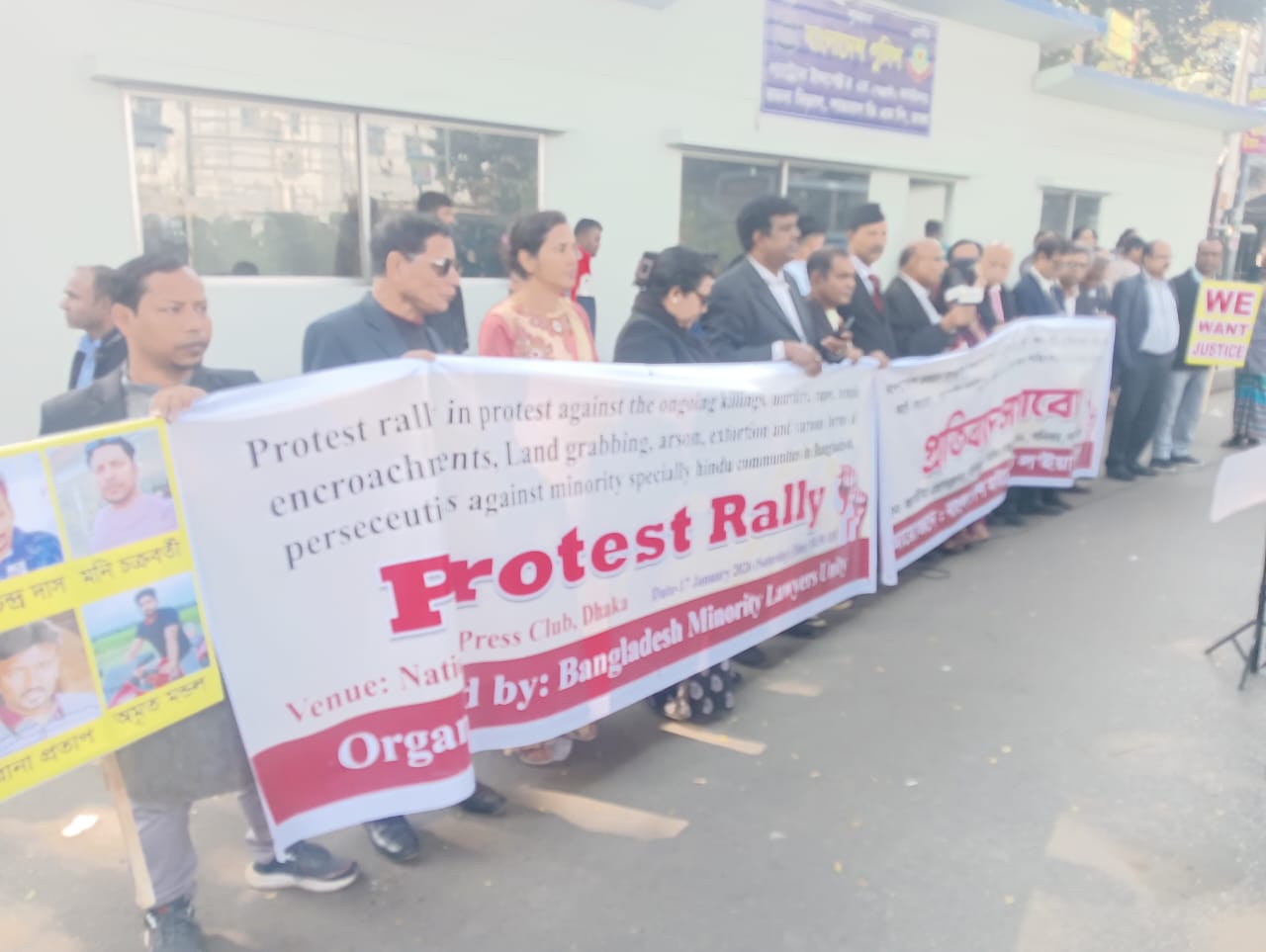
A significant protest rally took place in Dhaka, Bangladesh, as various minority communities gathered to demand immediate government action against rising violence and discrimination. Organised by the Bangladesh Minority Lawyers Unity Alliance, the event saw prominent lawyers and minority leaders calling for urgent measures to restore law and order.
Last updated: 10 October 2023 (BST)
What’s happening now
Yesterday, minority communities in Bangladesh expressed their concerns over escalating violence and discrimination through a protest rally in front of the National Press Club in Dhaka. This gathering highlighted the urgent need for government intervention to protect minority rights and ensure safety following a spate of violent incidents. Key figures in the legal community, including Dr J.K. Pal, a senior Supreme Court lawyer, emphasised the alarming nature of the situation and the need for immediate action.
Key takeaways
- Minority communities in Bangladesh are facing increasing violence and discrimination.
- Five key demands were presented during the rally for government action.
- There is a growing fear among minorities, leading to potential election boycotts.
Timeline: how we got here
The rally is part of a broader context of rising tensions for minority communities in Bangladesh. In recent months, various incidents of violence have been reported, sparking fears and unrest. Key milestones include:
- August 2023: Reports of violent attacks on minority individuals increase.
- September 2023: Calls for government action grow louder among minority leaders.
- 9 October 2023: Protest rally held, marking a critical moment for minority rights advocacy.
What’s new vs what’s known
New today/this week
The protest rally has brought renewed attention to the plight of minority communities in Bangladesh, highlighting specific demands for government action, including judicial investigations and deployment of security forces.
What was already established
It is already known that minority communities in Bangladesh face systemic discrimination and violence. Previous protests have called for similar reforms, but effective government action has been lacking.
Impact for the UK
Consumers and households
The implications of unrest in Bangladesh could extend to UK-based businesses, particularly those with ties to Bangladesh or involved in humanitarian efforts. Increased violence may disrupt trade and affect community dynamics in the UK.
Businesses and jobs
Companies operating in or with connections to Bangladesh may face reputational risks and operational challenges. Ensuring safety for employees and understanding the socio-political climate will be vital for businesses.
Policy and regulation
The UK government may need to assess its stance on Bangladesh, especially regarding human rights and trade agreements, in light of the ongoing unrest and calls for reforms.
Numbers that matter
- 5 key demands outlined by protest leaders, focusing on judicial reforms and minority rights.
- Reported increase in violent incidents against minorities by 30% over the past year.
- Over 50 minority leaders participated in the rally, highlighting the solidarity among diverse communities.
Definitions and jargon buster
- Minority communities: Groups within a country that differ from the majority population in terms of religion, ethnicity, or culture.
- Judicial investigations: Legal inquiries conducted to examine the facts surrounding specific incidents, particularly crimes.
How to think about the next steps
Near term (0–4 weeks)
In the coming weeks, the government may respond to the protests. Observers should watch for any announcements on investigations or reforms aimed at addressing minority concerns.
Medium term (1–6 months)
Longer-term, community leaders may continue to mobilise for change, potentially influencing upcoming elections and government policies. The effectiveness of reforms will be crucial.
Signals to watch
- Government statements regarding minority rights and judicial reforms.
- Updates on any investigations into violent incidents.
- Reactions from community leaders and minority organisations.
Practical guidance
Do
- Stay informed about the situation through reliable sources.
- Support organisations advocating for minority rights.
Don’t
- Ignore the voices of minority communities; their experiences are crucial for understanding the issue.
- Assume that government actions will be sufficient without public pressure.
Checklist
- Understand the key demands from the protest rally.
- Monitor government responses and community reactions.
- Engage with advocacy groups working on minority rights.
Risks, caveats, and uncertainties
While the rally highlights significant concerns, the actual responses from the government remain uncertain. Political dynamics in Bangladesh can shift rapidly, and it is essential to remain cautious about predicting outcomes. Future actions may depend on both domestic and international pressures.
Bottom line
The ongoing protests by minority communities in Bangladesh underscore a pressing need for government action to curb violence and discrimination. As the situation develops, both local and international stakeholders must remain vigilant to ensure minority rights are protected and upheld.
FAQs
What are the key demands from the minority communities in Bangladesh?
The key demands include judicial investigations into recent killings, exemplary punishments for perpetrators, equal representation in state institutions, deployment of the army for post-election security, and the release of detainees facing false charges.
Who organised the protest rally in Dhaka?
The rally was organised by the Bangladesh Minority Lawyers Unity Alliance, chaired by Dr J.K. Pal, a senior Supreme Court lawyer.
What impact could this situation have on UK businesses?
UK businesses with ties to Bangladesh may face operational challenges and reputational risks due to the unrest, necessitating careful navigation of the socio-political landscape.