What Caused Thousands of Chips to Wash Up on the Beach?
Published: 2026-01-18 15:00:29 | Category: technology
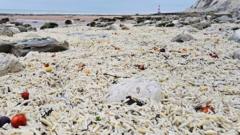
Thousands of bags of chips have washed up on a Sussex beach, following the arrival of several shipping containers that fell overboard earlier this week. This unusual event has drawn community attention and prompted a call for volunteers to assist in cleaning up the area, with concerns for local wildlife safety.
Last updated: 02 October 2023 (BST)
What’s happening now
The picturesque Falling Sands beach, located near Eastbourne, has been transformed into an unexpected scene of scattered chips and plastic bags. Residents were taken aback when they encountered this unusual sight while walking along the shore. Joel Bonnici, a local resident, described the beach as resembling "the Caribbean golden sands," but warned that the chips posed a significant environmental threat, especially to the nearby seal colony. A volunteer drive is now underway to remove the debris, focusing on the plastic bags that accompany the chips.
Key takeaways
- Thousands of bags of chips have washed up on Falling Sands beach in East Sussex.
- Three shipping containers were reported to have washed ashore following incidents during Storm Goretti.
- Local authorities have urged public caution due to potential hazards from the washed-up food items.
Timeline: how we got here
A series of incidents have led to the current situation on Sussex beaches:
- 16 September 2023: 16 shipping containers fall from the cargo vessel Baltic Klipper near the Isle of Wight.
- 26 September 2023: Additional containers fall from two vessels during Storm Goretti.
- 30 September 2023: Three shipping containers wash up at Seaford in East Sussex.
- 1 October 2023: Chips and other debris reported on Falling Sands beach.
What’s new vs what’s known
New today/this week
Reports have emerged of the extensive chip debris covering parts of Falling Sands beach. Local authorities are actively monitoring the situation and have initiated community clean-up efforts.
What was already established
Prior to the chip incident, various items, including onions, had washed ashore following the container incidents at the Isle of Wight. The presence of these items highlighted the risks associated with shipping container losses during severe weather.
Impact for the UK
Consumers and households
The impact on local households is primarily environmental. Residents are concerned about the safety of wildlife, particularly seals, that may ingest or become entangled in the plastic waste. Additionally, the local aesthetic and tourism appeal of the beach may be adversely affected if the debris is not promptly cleared.
Businesses and jobs
Local businesses, particularly those reliant on tourism, may feel the effects of this incident. If the beach remains polluted, visitors may be deterred, impacting foot traffic and local revenue. The clean-up efforts could provide temporary job opportunities for locals, particularly in environmental services.
Policy and regulation
East Sussex County Council has taken proactive measures by advising beach visitors to exercise caution. The council is also monitoring the situation closely and coordinating with volunteers to address the debris. Future policies may focus on improving protocols for securing cargo during severe weather to prevent similar incidents.
Numbers that matter
- 16: Number of containers that fell from the Baltic Klipper.
- 3: Containers washed up at Seaford, East Sussex.
- 2.5 feet: Depth of chips reported in some areas of the beach.
Definitions and jargon buster
- Shipping Containers: Large containers used for transporting goods via ship.
- Storm Goretti: A recent storm that affected shipping routes and caused container losses.
- HM Coastguard: The UK government agency responsible for maritime safety and search and rescue operations.
How to think about the next steps
Near term (0–4 weeks)
Residents and volunteers are encouraged to participate in clean-up efforts to remove the debris from Falling Sands beach. Authorities will continue to monitor wildlife in the area to ensure their safety.
Medium term (1–6 months)
Local councils may implement new measures to enhance cargo safety and awareness campaigns to prevent similar incidents from occurring. Ongoing monitoring of the beach environment will be essential to gauge recovery efforts.
Signals to watch
- Updates from East Sussex County Council regarding beach safety measures and clean-up progress.
- Wildlife monitoring reports concerning the local seal population.
- Community engagement levels in beach clean-up efforts.
Practical guidance
Do
- Participate in community clean-up events to help clear the beach.
- Report any hazardous debris to local authorities.
- Keep dogs on leads to prevent them from ingesting harmful items.
Don’t
- Do not attempt to handle hazardous materials without proper training.
- Avoid leaving food items unattended on the beach.
Checklist
- Check local council updates on beach safety.
- Stay informed about wildlife safety measures.
- Consider volunteering for clean-up efforts.
- Adhere to guidelines for pet safety on the beach.
- Engage with community initiatives to improve local environmental awareness.
Risks, caveats, and uncertainties
While the situation appears largely contained, there are uncertainties regarding the full extent of environmental impact and potential hazards to local wildlife. The long-term effects on the ecosystem will require monitoring and may necessitate further intervention. Additionally, public response to the clean-up efforts will determine how quickly the beach can return to its natural state.
Bottom line
The recent influx of chips on Sussex beaches highlights the ongoing challenges of maritime safety and environmental protection. Community engagement in clean-up efforts is crucial to mitigate the risks posed to wildlife and restore the beach for public enjoyment. Vigilance and proactive measures will be essential in preventing similar incidents in the future.
FAQs
What caused the chips to wash up on the beach?
The chips washed up following the loss of several shipping containers during Storm Goretti, with debris from these containers reaching the shoreline.
Are the chips and packaging harmful to wildlife?
Yes, the plastic packaging poses a significant risk to local wildlife, particularly seals, which may ingest or become entangled in the materials.
How can locals help with the clean-up efforts?
Locals can join community-organised clean-up events and report any hazardous debris to their local council for removal.