How Are Girls Coping After Losing Friends in a War-Torn School?
Published: 2026-01-24 01:00:42 | Category: technology
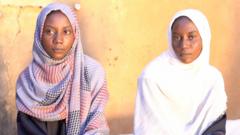
The harrowing experience of twins Makarem and Ikram during a shelling attack on their school in el-Obeid, Sudan, highlights the devastating impact of the ongoing civil war. The incident, which resulted in the deaths of their English teacher and several classmates, underscores the threats facing students amidst this humanitarian crisis. As the conflict continues, many children remain out of school, and those who do attend face significant challenges.
Last updated: 24 January 2024 (BST)
What’s happening now
The situation in Sudan remains dire, particularly in the Kordofan region, where violence has forced millions to flee their homes. Schools, such as the Abu Sitta girls' school where Makarem and Ikram studied, have become sites of tragedy amidst the ongoing conflict. Despite the trauma, students are gradually returning to classes. The community is slowly rebuilding, but the psychological scars of the attack and the broader war linger heavily.
Key takeaways
- Over 150,000 people have died in Sudan's civil war since April 2023.
- The Abu Sitta school attack killed 14 individuals, including a beloved teacher.
- Approximately 13 million out of 17 million school-age children in Sudan are currently out of school.
Timeline: how we got here
Since the outbreak of the civil war in April 2023, Sudan has faced escalating violence and humanitarian crises. Here are key dates leading to the current situation:
- April 2023: Civil war begins, leading to widespread violence and displacement.
- August 2024: The shelling of the Abu Sitta girls' school occurs, resulting in multiple fatalities.
- February 2025: The Sudanese army regains control of el-Obeid after prolonged RSF siege.
What’s new vs what’s known
New today/this week
The ongoing efforts to support displaced families and the reopening of schools have become focal points for local authorities. Despite the presence of displaced individuals in educational facilities, the government is attempting to address sanitation and safety issues.
What was already established
Prior reports indicated that the RSF has been a major player in the violence affecting Kordofan, with accusations of attacks on civilian infrastructure, including schools. The humanitarian crisis continues to worsen, with the UN labelling it one of the worst globally.
Impact for the UK
Consumers and households
The situation in Sudan has implications for UK humanitarian efforts. Increased awareness may lead to support initiatives aimed at assisting displaced populations and funding educational programmes.
Businesses and jobs
As the civil war disrupts supply chains and economic stability, UK businesses may face challenges in sourcing products from Sudan, particularly from its oil-rich regions.
Policy and regulation
UK policymakers may need to consider their stance on humanitarian aid and intervention in Sudan, as the ongoing conflict raises questions about international responsibility and support for affected populations.
Numbers that matter
- 150,000+ deaths: Estimated casualties from the ongoing civil war since April 2023.
- 13 million: Number of school-age children currently out of school in Sudan.
- 300: Average student population at the Abu Sitta girls' school before the attack.
- 3%: Percentage of schools open in North Darfur, the most affected state.
Definitions and jargon buster
- RSF: Rapid Support Forces, a paramilitary group involved in the Sudanese civil war.
- CT scan: A medical imaging technique used to create detailed images of internal structures.
- Humanitarian crisis: A situation in which a large number of people face severe deprivation of basic human needs.
How to think about the next steps
Near term (0–4 weeks)
Immediate efforts will focus on ensuring that schools are safe and accessible for students returning from displacement. Increased psychological support for affected students will also be critical.
Medium term (1–6 months)
As the situation stabilises, reconstruction efforts will likely progress, with an emphasis on rebuilding educational infrastructure and providing ongoing support for displaced families.
Signals to watch
- Monitoring reports on school openings and displacements in the Kordofan region.
- Updates from humanitarian organisations regarding the situation of children in conflict zones.
Practical guidance
Do
- Support humanitarian organisations working in Sudan.
- Stay informed about the situation and advocate for educational access for affected children.
Don’t
- Ignore the ongoing humanitarian needs of displaced populations.
- Assume that the situation will resolve without international support and intervention.
Checklist
- Research reputable charities focused on education and humanitarian aid in Sudan.
- Engage in discussions about the impact of conflict on education in public forums.
- Consider supporting campaigns that promote awareness of the crisis.
Risks, caveats, and uncertainties
The situation in Sudan is fluid, with many uncertainties surrounding the stability of the region and the ongoing humanitarian needs. As new developments arise, the international community must remain vigilant and responsive to the evolving landscape of the crisis.
Bottom line
The heartbreaking story of Makarem and Ikram reflects the broader struggles faced by children in Sudan amidst a brutal civil war. As the international community grapples with the humanitarian crisis, it is crucial to prioritise educational access and support for the millions affected by this conflict.
FAQs
What is the current state of education in Sudan?
Education in Sudan is severely impacted by the ongoing civil war, with around 13 million children currently out of school.
How has the shelling of schools affected students?
The shelling has caused trauma and loss among students, making many reluctant to return to school despite the need for education.
What can be done to support displaced families in Sudan?
Supporting humanitarian organisations and advocating for educational programmes are essential steps to assist displaced families and children in Sudan.