Is the Global Korean Craze Driving Up Seaweed Prices?
Published: 2026-02-05 00:00:27 | Category: world
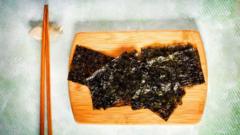
As the demand for gim, a popular type of dried seaweed, surges globally, South Korea is facing rising prices that are causing concern among its consumers. This beloved staple, often enjoyed as a snack or ingredient, has seen prices increase significantly, leading many to rethink their purchasing habits. The global popularity of Korean cuisine, driven by cultural exports such as K-pop and K-dramas, is a key factor in this price rise.
Last updated: 01 October 2023 (BST)
What’s happening now
In South Korea, the price of gim has recently reached unprecedented levels, with a single sheet now costing over 150 won (£0.05) — a rise from approximately 100 won (£0.03) in 2024. Premium varieties have surged even higher to 350 won (£0.23) per sheet. This increase has prompted many consumers, like Kim Jaela, to reconsider their buying habits, as they feel the pinch of higher grocery bills. The rising cost is attributed to multiple factors, including inflation, increasing labour costs, and a significant rise in global demand for Korean food products.
Key takeaways
- Gim prices have recently surpassed 150 won (£0.05) per sheet, with premium options costing up to 350 won (£0.23).
- South Korea is the world's largest producer and exporter of gim, with exports reaching a record US$1.13 billion in 2025.
- The rising global demand for Korean cuisine, driven by cultural phenomena like K-pop, is significantly influencing prices.
Timeline: how we got here
Understanding the current pricing situation requires a look at the recent history of gim's production and consumption:
- 2017: South Korea’s gim exports begin to rise significantly, with increasing interest from international markets.
- 2020: The global pandemic boosts online shopping and interest in home-cooked meals, leading to a surge in gim sales.
- 2023: The US supermarket chain Trader Joe's released a gimbap product, which quickly sells out, highlighting the growing global demand for Korean food.
- 2025: South Korea's dried seaweed exports hit a record US$1.13 billion, indicating strong international interest.
What’s new vs what’s known
New today/this week
The price of gim has reached record heights in South Korea, with consumers expressing concern about affordability as they face rising grocery costs. Reports indicate that some individuals are beginning to limit their purchases or consider alternatives due to these increases.
What was already established
Gim has long been a staple in Korean households, known for its affordability and versatility. Its popularity has grown internationally, influenced by the global rise of Korean pop culture. However, the recent surge in prices is unprecedented and has prompted discussions about its status as an affordable snack.
Impact for the UK
Consumers and households
For UK consumers, the rising prices of gim may lead to increased costs for imported Korean products. Those interested in Korean cuisine may need to adjust their budgets or seek alternatives as prices reflect the growing demand globally.
Businesses and jobs
As demand for gim increases internationally, South Korean producers may focus more on export markets, potentially impacting local availability and pricing. This shift could influence hiring practices within the industry as businesses adapt to meet global demand.
Policy and regulation
The South Korean government has started monitoring the situation closely and is exploring ways to stabilise prices. Companies are also investing in research and development to boost domestic production and ensure consistent supply throughout the year.
Numbers that matter
- 150 won (£0.05): Current price per sheet of gim, a record high in South Korea.
- 350 won (£0.23): Cost of premium gim sheets, reflecting the increased demand.
- US$1.13 billion: Value of South Korea's dried seaweed exports in 2025.
- 47 years: Length of time Lee Hyang-ran has been selling gim, highlighting its longstanding presence in Korean culture.
- 500 sheets: Average quantity bought by consumers like Kim Jaela, illustrating typical purchasing habits.
Definitions and jargon buster
- Gim: A type of dried seaweed, popular in Korean cuisine, often used in snacks and cooking.
- Gimbap: A Korean dish made from rice and various ingredients rolled in gim.
- K-pop: A genre of popular music originating from South Korea, known for its diverse style and appealing visuals.
How to think about the next steps
Near term (0–4 weeks)
Consumers may need to adjust their purchasing habits immediately, either by buying in bulk before prices rise further or exploring alternative snacks. Awareness of online and local grocery prices will be crucial during this period.
Medium term (1–6 months)
As the situation evolves, individuals might consider diversifying their diet and trying different types of snacks or ingredients that offer similar culinary experiences without the price tag associated with traditional gim.
Signals to watch
- Monitor price fluctuations in local grocery stores and online platforms.
- Watch for announcements from the South Korean government regarding policy changes aimed at stabilising prices.
- Keep an eye on consumer trends in the UK regarding Korean food products and how they might influence local availability.
Practical guidance
Do
- Check multiple retailers for the best prices on gim and other Korean products.
- Consider buying in bulk when prices are lower to offset future increases.
- Explore homemade alternatives to popular Korean dishes, such as making your own gimbap with available ingredients.
Don’t
- Don’t panic buy; assess your needs and purchase accordingly.
- Don’t overlook alternative snacks that may provide a similar taste experience at a lower price.
- Don’t ignore the impact of cultural trends; stay informed about new products entering the market.
Checklist
- Evaluate your current consumption of gim and other Korean products.
- Research online prices and local grocery listings to find the best deals.
- Consider trying new recipes that utilise affordable ingredients.
- Stay updated on market trends and price changes.
- Share your observations with friends or family to help them navigate rising costs.
Risks, caveats, and uncertainties
While the demand for gim continues to grow, several uncertainties loom over the market. The reliance on global supply chains and potential geopolitical tensions could impact availability and pricing. Additionally, fluctuations in consumer preferences may alter demand, making it essential for producers to remain agile in their operations. Strong public resistance to price increases suggests that further hikes could provoke backlash, potentially prompting government intervention.
Bottom line
The rising prices of gim reflect both the growing global appetite for Korean cuisine and the challenges faced by producers in meeting this demand. As prices continue to fluctuate, consumers may need to adapt by exploring alternatives and remaining informed about market trends. Understanding the dynamics of gim’s production and pricing will be crucial for navigating the evolving landscape of Korean food products.
FAQs
What is gim, and how is it used in Korean cuisine?
Gim is a type of dried seaweed that is commonly used in Korean cuisine, often as a snack or as an ingredient in dishes like gimbap, where it wraps various fillings.
Why have gim prices increased recently?
Gim prices have risen due to increased global demand, inflation, rising labour costs, and a decline in overseas production, prompting concerns among consumers.
How can I buy gim without breaking the bank?
To save money on gim, consider buying in bulk, checking multiple retailers for competitive pricing, and exploring homemade alternatives to popular Korean dishes.