Can Gen Z's Triumph Over Autocracy Change the Outcome of Bangladesh's Upcoming Vote?
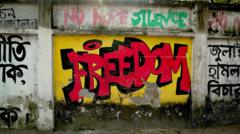
Published: 2026-02-05 01:00:51 | Category: world
The youth uprising in Bangladesh has led to profound changes following the violent protests that resulted in the ousting of Prime Minister Sheikh Hasina in July 2024. Central to this upheaval is the story of Rahat Hossain, who became a symbol of bravery and loss as he attempted to save his friend Emam Hasan Taim Bhuiyan during the protests. Their experiences exemplify the struggle for political reform and the challenges ahead for the newly formed National Citizen Party (NCP) as they prepare for upcoming elections amidst internal fractures and a sidelining of women in leadership roles.
Last updated: 31 October 2023 (BST)
What’s happening now
As Bangladesh approaches its general elections, tensions are high among political factions, particularly with the newly formed NCP facing significant challenges. The Awami League has been banned from participating, leading to a power vacuum that other parties, including the historically controversial Jamaat-e-Islami, are keen to fill. Amidst this political landscape, the NCP struggles with internal divisions, especially regarding the representation of women, and many young activists are disillusioned with their leadership's effectiveness.
Key takeaways
- Rahat Hossain's story highlights the personal cost of the youth uprising and the ongoing fight for justice.
- The NCP faces significant hurdles as it attempts to establish itself in a political arena dominated by established parties.
- Women's representation in the NCP and its alliance with Jamaat-e-Islami is a major point of contention.
Timeline: how we got here
The path to the current political situation in Bangladesh can be traced through a series of key events:
- 20 July 2024: Protests erupt in Dhaka, culminating in a violent crackdown where Hossain and Bhuiyan are attacked by police.
- 5 August 2024: Prime Minister Sheikh Hasina is ousted as protests grow nationwide, leading to her exile.
- February 2025: General elections are scheduled, with the NCP attempting to establish itself amidst the chaos and a ban on the Awami League.
What’s new vs what’s known
New today/this week
As the elections approach, the political landscape is shifting with Jamaat-e-Islami gaining traction, particularly among younger voters who are increasingly disillusioned with traditional parties. The NCP's alliance with Jamaat marks a significant move, but also highlights internal conflicts regarding its ideological stance.
What was already established
The legacy of the protests has created a new political consciousness among the youth, who are now more engaged in politics than ever before. However, the historical baggage of parties like Jamaat-e-Islami continues to be a contentious issue, particularly among older generations and women activists.
Impact for the UK
Consumers and households
For the UK, the developments in Bangladesh could affect trade relations, especially considering the UK's significant garment industry ties with Bangladesh. Political instability can lead to disruptions in exports, which may, in turn, affect prices on the high street.
Businesses and jobs
UK businesses may need to pay attention to how the evolving political landscape in Bangladesh could affect supply chains. If unrest continues, it could lead to increased costs and potential delays in shipments.
Policy and regulation
As Bangladesh's political situation evolves, UK policymakers may need to consider how to engage with a new government while addressing human rights concerns raised during the protests.
Numbers that matter
- 1,400: Estimated number of deaths during the protests, primarily due to police violence.
- 50 years: Duration in which only two parties have led Bangladesh, highlighting the challenge for the NCP.
- 4 in 10: Proportion of voters in Bangladesh under the age of 37, indicative of the youth's influence in the elections.
Definitions and jargon buster
- NCP: National Citizen Party, a new political party formed by student leaders following the 2024 protests.
- Jamaat-e-Islami: An Islamist political party in Bangladesh, historically controversial due to its actions during the 1971 war of independence.
- Awami League: The political party led by Sheikh Hasina, which has been in power for much of the last 50 years.
How to think about the next steps
Near term (0–4 weeks)
As the elections near, it will be crucial for the NCP to consolidate its support and address internal fractures, particularly regarding gender representation. The party must also prepare for potential backlash from traditional power players.
Medium term (1–6 months)
Post-elections, the NCP will need to establish itself as a legitimate governing body, focusing on reforms that resonate with its base. The legitimacy of the elections and the government's response to the ongoing demands for justice will be pivotal.
Signals to watch
- Voter turnout and demographics in the upcoming elections.
- Reactions from the international community regarding human rights and governance post-election.
- Changes in public sentiment towards Jamaat-e-Islami and the NCP based on their electoral performance.
Practical guidance
Do
- Stay informed about the political developments in Bangladesh as they may have broader implications.
- Monitor the actions of the NCP and its ability to mobilise youth support effectively.
Don’t
- Ignore the historical context of political parties involved in the elections.
- Assume that the youth vote will entirely shift away from established parties without considering their influence.
Checklist
- Understand the key players in the upcoming elections.
- Track the candidates' positions on critical issues such as corruption and social justice.
- Follow the discussions around women's representation in politics.
- Evaluate the impact of the election results on international relations, especially with the UK.
Risks, caveats, and uncertainties
There remains a significant risk of violence and unrest during the electoral process, particularly given the history of the protests. The ongoing allegations of human rights violations by the previous government add to the uncertainty surrounding the legitimacy of the elections. Additionally, the political landscape could shift rapidly depending on the outcomes of the elections and the responses from various factions.
Bottom line
The recent protests in Bangladesh have transformed the political landscape, but as the nation heads into elections, the future remains uncertain. The youth, exemplified by figures like Rahat Hossain, are navigating a complex web of alliances and historical legacies as they strive for a better future. The upcoming elections will be a crucial test of whether their sacrifices can lead to real change.
FAQs
What is the significance of the youth uprising in Bangladesh?
The youth uprising marked a pivotal moment in Bangladesh's history, leading to the ousting of Prime Minister Sheikh Hasina and demonstrating the power of young activists in demanding political reform.
Why is the representation of women in the NCP an issue?
Despite significant contributions during the protests, women are underrepresented in the NCP, raising concerns about gender equality and inclusivity in the party's leadership and policies.
What role does Jamaat-e-Islami play in the current political landscape?
Jamaat-e-Islami has gained momentum as a significant political player amid the ban on the Awami League, appealing to younger voters while navigating its controversial history.