Is Extreme Cold in New York City Claiming Lives? 18 Dead So Far
Published: 2026-02-09 23:00:15 | Category: world
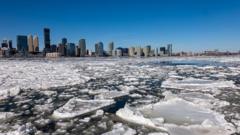
The recent cold snap in New York City has led to 18 tragic deaths, as stated by the mayor, Zohran Mamdani. This extreme weather period, which includes 13 consecutive days of temperatures at or below 0°C (32°F), is one of the longest stretches of freezing conditions the city has faced in six decades. In response, the city has ramped up efforts to shelter the homeless and ensure public safety during this period of severe cold.
Last updated: 25 March 2023 (BST)
What’s happening now
New York City is currently experiencing a severe cold wave, with officials urging residents to exercise caution. The mayor reported that the city has made about 1,400 placements into shelters since the Code Blue emergency was declared on 19 January, which allows for more flexible admissions for those experiencing homelessness. While temperatures are expected to rise slightly this week, they will still remain below average for the season, prompting ongoing alerts for residents to stay indoors and look out for one another.
Key takeaways
- 18 people have died due to extreme cold in New York City since late January.
- The city experienced a record 13-day streak of temperatures at 0°C (32°F) or below.
- Emergency shelter policies have led to 1,400 placements since 19 January.
Timeline: how we got here
The cold snap in New York City has developed over several weeks, with key dates as follows:
- 19 January 2023: Code Blue emergency declared, allowing for relaxed admission to shelters.
- 27 January 2023: Mayor Mamdani reports at least 10 deaths due to extreme cold found outdoors.
- February 2023: Continuation of below-freezing temperatures, with a record of 13 consecutive days at or below 0°C (32°F).
What’s new vs what’s known
New today/this week
As of this week, temperatures are forecasted to rise slightly above freezing, reaching around 0°C during the day. However, officials warn that these temperatures are still below the typical average for this time of year, which usually hovers around 4°C. The National Weather Service has continued to issue warnings about hazardous conditions due to melting snow and the risk of refreezing overnight.
What was already established
Prior to this week, the city had faced an extended period of severe cold, and measures had been taken to address the needs of vulnerable populations, particularly the homeless. The city’s outreach efforts and increased shelter capacity highlight the ongoing public safety concerns associated with extreme weather conditions.
Impact for the UK
Consumers and households
While the immediate impact of New York City's cold snap is localized, it serves as a reminder of the potential dangers of extreme weather. Residents in the UK may also face similar challenges during winter months, particularly as climate change contributes to unpredictable weather patterns. Staying informed about local weather forecasts and emergency services is essential for safety.
Businesses and jobs
Businesses in New York City, especially those reliant on foot traffic, are likely to see a decline in activity during extreme weather events. Additionally, the rise in operational costs due to heating, snow removal, and safety measures can affect profit margins, particularly for small businesses.
Policy and regulation
The situation in New York City may prompt discussions about emergency preparedness and support for vulnerable populations in other regions, including the UK. Local authorities may consider reviewing their own emergency response strategies to ensure adequate protections during severe weather events.
Numbers that matter
- 18 deaths reported due to extreme cold in New York City.
- 13 consecutive days of temperatures at or below 0°C (32°F).
- 1,400 placements made into shelters since 19 January.
- 64 additional hotel rooms added to shelter capacity.
- 150 outreach workers deployed on the streets to assist those in need.
Definitions and jargon buster
- Code Blue: An emergency protocol that allows for relaxed admission policies for homeless shelters during extremely cold weather.
- Wind chill: A measure of how cold it feels when wind is factored in with the actual air temperature.
How to think about the next steps
Near term (0–4 weeks)
Residents should remain vigilant as temperatures fluctuate. It is advisable to have emergency supplies on hand, including food, water, and warmth, in case of power outages or severe weather warnings.
Medium term (1–6 months)
As the weather improves, discussions around infrastructure improvements, particularly for vulnerable populations, may take precedence. Continuous support for homeless individuals should remain a priority for city officials.
Signals to watch
- Weather forecasts indicating temperature trends, particularly any potential returns to freezing conditions.
- Updates from local authorities regarding emergency shelter provisions and outreach efforts.
- Warnings from the National Weather Service regarding hazardous weather patterns.
Practical guidance
Do
- Stay informed about the weather and follow local advisories.
- Check on vulnerable individuals, including the elderly and those without stable housing.
- Prepare emergency supplies in case of severe weather disruptions.
Don’t
- Ignore weather alerts and warnings from local authorities.
- Engage in unnecessary travel during extreme conditions.
- Leave pets or vulnerable individuals outdoors in cold weather.
Checklist
- Have a sufficient supply of water and non-perishable food.
- Ensure heating systems are functioning properly.
- Keep a battery-powered radio for emergency updates.
- Stock up on warm clothing and blankets.
- Have a plan for communication with family and friends during emergencies.
Risks, caveats, and uncertainties
As the situation evolves, predictions about the weather may change, and the safety risks associated with melting snow and ice may fluctuate. It is essential to remain cautious and informed as conditions can vary significantly from day to day. Additionally, the long-term implications for public health and infrastructure are still uncertain and warrant ongoing attention.
Bottom line
The extreme cold weather in New York City has highlighted the critical need for robust emergency preparedness and support systems for vulnerable populations. As temperatures are set to rise, it is essential to remain vigilant and informed about ongoing risks. Ensuring the safety of all residents during such severe weather events is paramount.
FAQs
What is the reason behind the extreme cold weather in New York City?
The extreme cold weather in New York City is attributed to an Arctic airmass that has brought sub-zero temperatures and hazardous wind chills, which can lead to health risks such as hypothermia.
How can residents stay safe during freezing temperatures?
Residents should stay indoors, check on vulnerable neighbours, and ensure they have adequate supplies to manage any potential emergencies.
What support is available for homeless individuals during cold weather?
The city has implemented emergency shelter measures, including the Code Blue protocol, which allows for increased shelter placements during periods of extreme cold weather.