Can a £50m Fish Disco Really Save Our Farmland?
Published: 2026-02-10 08:00:44 | Category: technology
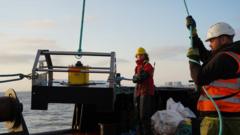
The £50 million ultrasound system, designed to prevent fish from being sucked into the cooling pipes of Hinkley Point C, has shown promising results, potentially allowing developers to avoid flooding farmland for compensatory habitats. This innovative technology plays sounds in the Severn Estuary to deter marine life, with recent trials indicating its effectiveness. As discussions continue about the project's future, this system could set a precedent for fish protection in nuclear facilities worldwide.
Last updated: 06 October 2023 (BST)
What’s happening now
Recent developments at Hinkley Point C, located in Somerset, have highlighted the success of an innovative ultrasound system aimed at protecting fish in the Severn Estuary. Engineers report that the trials conducted by Swansea University have been "highly effective", leading project leaders to reconsider plans to flood 900 acres (364 hectares) of farmland in Gloucestershire to create saltmarsh habitats. This change could significantly impact local farmers and the environment, as the technology could eliminate the need for such drastic measures.
Key takeaways
- The ultrasound system has successfully deterred fish from swimming near the cooling pipes.
- Plans to flood farmland for fish habitats may be scrapped if the system continues to perform well.
- The technology represents a substantial investment (£50m) in environmental protection measures for nuclear power.
Timeline: how we got here
The journey to implement the fish protection system at Hinkley Point C has involved numerous key milestones:
- 2017: Initial cost estimates for Hinkley Point C were projected at £18 billion.
- 2021: Cost estimates escalated to £46 billion due to various regulatory and construction challenges.
- 2023: The ultrasound system was developed and tested, showing promising results.
- 2026: Further testing of the system is planned to gather additional evidence of its effectiveness.
What’s new vs what’s known
New today/this week
The recent success of the underwater fish disco system has prompted a potential shift in Hinkley Point C's environmental strategy. The trials showed that the acoustic deterrent significantly reduced the number of fish approaching the intake heads, leading to discussions about abandoning plans to flood farmland.
What was already established
Previous methods of fish protection in older power plants involved using grills that inadvertently harmed marine life. Hinkley Point C's commitment to implementing advanced protective measures aims to avoid these issues while managing environmental concerns associated with the cooling system's operation.
Impact for the UK
Consumers and households
The potential scrapping of the farmland flooding plan brings relief to local communities, particularly farmers who were concerned about losing prime agricultural land. As the project continues, consumers may benefit from a stable electricity supply from Hinkley Point C, which aims to contribute significantly to the UK's energy mix.
Businesses and jobs
For businesses within the region, especially those dependent on agriculture and fishing, the decision to potentially forgo the flooding plan is a positive development. The ongoing construction and operation of Hinkley Point C are expected to create jobs and stimulate local economies, despite the higher costs associated with building nuclear plants in the UK.
Policy and regulation
The evolving situation around Hinkley Point C highlights ongoing debates within UK nuclear regulation. The project's elaborate fish protection measures have raised questions about the balance between environmental protection and regulatory burden. Future policy decisions may reflect the lessons learned from Hinkley Point C as developers seek to implement new energy projects.
Numbers that matter
- £50 million: Cost of the ultrasound system designed to protect fish.
- 900 acres (364 hectares): Size of farmland initially targeted for flooding to create compensatory habitats.
- 120,000 litres: Volume of seawater required per second to cool Hinkley Point C’s systems.
- 22 km: Width of the Severn Estuary at the point where the cooling pipes will be located.
- 14: Number of tagged twaite shad that approached the intake heads before the system was activated.
Definitions and jargon buster
- Twaite shad: A protected migratory fish species that spawns in freshwater tributaries.
- Acoustic deterrent: A sound-based technology that discourages fish from approaching certain areas.
- Saltmarsh: A coastal habitat that is periodically flooded by seawater and supports various wildlife.
How to think about the next steps
Near term (0–4 weeks)
As the current tests continue, stakeholders will monitor the performance of the ultrasound system closely. Feedback from the ongoing trials will be critical for making immediate decisions regarding the environmental impact of Hinkley Point C.
Medium term (1–6 months)
In the coming months, project leaders will prepare for the next phase of testing in 2026, gathering data to support their case for regulatory approval. This period will be crucial for assessing the long-term viability of the fish protection measures.
Signals to watch
- Results from the upcoming tests in 2026.
- Decisions from environmental regulators regarding the necessity of compensatory habitats.
- Ongoing cost assessments related to the construction and operation of Hinkley Point C.
Practical guidance
Do
- Stay informed about developments related to Hinkley Point C and its environmental policies.
- Engage with local councils regarding land use and environmental impact discussions.
- Support initiatives that promote sustainable energy solutions in your community.
Don’t
- Assume that all measures taken will guarantee fish protection without further testing and evaluation.
- Neglect to voice concerns about the impact of energy projects on local farming and fishing communities.
- Overlook the importance of balancing environmental protection with energy needs.
Checklist
- Check for updates on the ultrasound system's effectiveness.
- Review any changes to local land use policies related to Hinkley Point C.
- Understand the implications of fish protection measures for local ecosystems.
- Follow local news for community meetings regarding Hinkley Point C.
- Engage in discussions about nuclear energy and its environmental impacts.
Risks, caveats, and uncertainties
While the ultrasound system shows promise, uncertainties remain about its long-term efficacy and the potential environmental impacts of Hinkley Point C. Critics question whether the costs associated with such extensive fish protection measures are justified, especially given the relatively small number of fish at risk. Additionally, regulatory approvals may still present challenges, affecting timelines and project viability.
Bottom line
The developments surrounding Hinkley Point C highlight the delicate balance between advancing energy infrastructure and protecting local ecosystems. The innovative fish protection measures could pave the way for more sustainable practices in nuclear power, but the financial and regulatory challenges remain significant. As the project progresses, stakeholders will need to remain vigilant in ensuring both energy needs and environmental protections are adequately addressed.
FAQs
What is the ultrasound system at Hinkley Point C?
The ultrasound system is designed to deter fish from swimming near the cooling pipes of Hinkley Point C, protecting marine life in the Severn Estuary.
Why were farmers concerned about the flooding plan?
Farmers were worried about losing 900 acres of prime farmland in Gloucestershire, which could have been flooded to create new habitats for fish.
What are the expected benefits of this technology?
The ultrasound system aims to significantly reduce the number of fish entering the cooling pipes, protecting marine biodiversity and allowing for more sustainable nuclear energy production.