How Did One Mother's Tragedy Spark a Mass Exodus from Islamist Violence?
Published: 2026-02-11 23:00:32 | Category: world
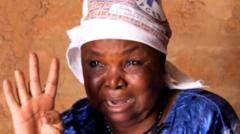
In recent years, the ongoing insurgency in Burkina Faso has led to a severe humanitarian crisis, with thousands fleeing to neighbouring countries like Ivory Coast. The plight of refugees such as Yameogo Aminata, who lost her four sons to jihadists, highlights the devastating impact of violence in the Sahel region. As tensions escalate, the situation calls for urgent international attention and support for those affected.
Last updated: 03 October 2023 (BST)
What’s happening now
The humanitarian crisis in Burkina Faso continues to worsen, with an estimated 10,000 fatalities resulting from a prolonged insurgency attributed to jihadist groups. Many individuals, like Yameogo Aminata, have fled to refugee camps in Ivory Coast, seeking safety and stability. The Nioronigué camp, established in 2023, currently houses approximately 13,000 refugees, significantly exceeding its intended capacity of 6,000. This surge is largely due to the persistent violence in Burkina Faso, which has forced families to abandon their homes and seek refuge elsewhere.
Key takeaways
- Over 10,000 people have died in the Burkina Faso insurgency, prompting mass displacement.
- The Nioronigué refugee camp is operating well beyond its capacity, now sheltering around 13,000 individuals.
- Refugees continue to arrive from neighbouring Mali, highlighting the regional dimensions of the crisis.
Timeline: how we got here
The conflict in Burkina Faso has evolved over nearly 15 years, with significant events shaping the current humanitarian landscape:
- 2008: Initial signs of unrest begin in northern Burkina Faso.
- 2015: The insurgency escalates, leading to increased attacks on civilians and security forces.
- 2022: Yameogo Aminata loses her sons as jihadist attacks intensify.
- 2023: The Nioronigué refugee camp opens, accommodating those fleeing violence.
What’s new vs what’s known
New today/this week
The UN has reported that the number of refugees from Burkina Faso has surpassed 80,000 in Ivory Coast alone, with many individuals still arriving. The situation in the Nioronigué camp remains critical, with resources stretched thin as local communities face the dual challenge of supporting refugees while managing their economic pressures.
What was already established
Burkina Faso has been embroiled in violence for over a decade, with the rise of jihadist groups like Jama'at Nusrat al-Islam wal-Muslimin (JNIM) exacerbating regional instability. The international community has been alerted to the crisis, but efforts to address the root causes of the violence remain inadequate.
Impact for the UK
Consumers and households
The ongoing crisis in West Africa, particularly in Burkina Faso, could have indirect effects on UK households as international humanitarian efforts may require funding and resources. Increased attention to global crises can influence UK foreign policy and international aid budgets.
Businesses and jobs
UK businesses involved in humanitarian aid and development may find opportunities to support initiatives in the Sahel region. However, the instability may also create challenges for companies looking to operate in or trade with affected countries.
Policy and regulation
The UK government may face pressure to increase its support for international humanitarian efforts in response to the growing refugee crisis. This could involve policy discussions on aid allocation, immigration, and asylum procedures for those fleeing violence.
Numbers that matter
- 10,000+: Estimated deaths due to the insurgency in Burkina Faso.
- 3 million: People displaced by conflicts across the Sahel region.
- 80,000: Number of refugees from Burkina Faso currently in Ivory Coast.
- 13,000: Refugees residing in the Nioronigué camp, which only has capacity for 6,000.
Definitions and jargon buster
- Insurgency: An armed rebellion against an established authority, typically involving non-state actors.
- Jihadist: A term used to describe individuals or groups that engage in violent acts in the name of Islamic extremism.
- UN: United Nations, an international organisation aimed at fostering global cooperation and ensuring peace and security.
How to think about the next steps
Near term (0–4 weeks)
Expect ongoing international media coverage of the refugee crisis, with potential calls for increased humanitarian aid and support from the UK government. Advocacy from NGOs may grow, focusing on the needs of displaced individuals.
Medium term (1–6 months)
Monitor developments in the Sahel region, particularly any shifts in military strategies or international partnerships aimed at addressing the insurgency. Increased displacement may lead to further strain on resources in host countries like Ivory Coast.
Signals to watch
- UN assessments of refugee numbers and living conditions in camps.
- Changes in policies from the UK government regarding international aid and refugee support.
- Reports on the effectiveness of military interventions in Burkina Faso and neighbouring countries.
Practical guidance
Do
- Stay informed about the situation in Burkina Faso and its implications for regional stability.
- Support humanitarian organisations working to aid refugees and displaced persons.
- Engage with local initiatives that raise awareness of global humanitarian crises.
Don’t
- Ignore the ongoing humanitarian needs of refugees in Ivory Coast and surrounding areas.
- Assume that the crisis is isolated to Burkina Faso; it affects the wider Sahel region.
- Overlook the importance of international cooperation in addressing these challenges.
Checklist
- Stay updated on the latest news regarding the Sahel region.
- Consider donations to reputable charities focused on refugee support.
- Educate yourself and others about the causes and effects of the insurgency.
- Participate in community discussions about global issues and their local impacts.
Risks, caveats, and uncertainties
While the current situation is dire, there are uncertainties regarding the effectiveness of international interventions and the potential for long-term solutions. The dynamics of conflict in the Sahel are complex, with various militant groups operating in the region. Additionally, the capacity of host countries like Ivory Coast to support the influx of refugees remains a critical concern.
Bottom line
The ongoing violence in Burkina Faso has led to a significant humanitarian crisis, with thousands fleeing to Ivory Coast in search of safety. The stories of individuals like Yameogo Aminata illustrate the profound impact of the conflict. As the international community grapples with this situation, continued support for refugees and a focus on resolving the underlying issues are essential for restoring peace in the region.
FAQs
What is causing the insurgency in Burkina Faso?
The insurgency is primarily driven by jihadist groups seeking to establish control over territory and impose their ideologies, resulting in widespread violence and instability.
How are refugees in Ivory Coast being supported?
Refugees in Ivory Coast receive assistance from the government, local communities, and international organisations, although resources are currently strained due to the high number of displaced individuals.
What can individuals do to help those affected by the crisis?
Individuals can support humanitarian organisations providing aid to refugees, raise awareness about the crisis, and engage in community discussions about global issues.