What Caused Red Eyes and Black Beaches in This Environmental Disaster?
Published: 2026-02-14 22:00:11 | Category: wales
The Sea Empress oil spill, which occurred 30 years ago, serves as a stark reminder of the environmental risks associated with maritime transport, particularly in the UK. This disaster not only devastated local wildlife along the Pembrokeshire coast but also catalysed significant changes in environmental awareness and maritime safety regulations. Today, experts warn that climate change may increase the likelihood of similar pollution events in busier seas.
Last updated: 24 October 2023 (BST)
What’s happening now
As the 30th anniversary of the Sea Empress disaster approaches, discussions around its legacy are reigniting. Many local residents, conservationists, and environmentalists reflect on the events of February 1996 and its lasting impact on maritime policy and environmental attitudes in the UK. Experts express concerns that climate change and increased shipping traffic heighten the risks of future disasters, making the lessons learned from the Sea Empress more relevant than ever.
Key takeaways
- The Sea Empress disaster released over 70,000 tonnes of oil, impacting approximately 200 km of coastline.
- It prompted significant changes in UK environmental policy and maritime safety regulations.
- Experts warn that climate change may increase the frequency of maritime pollution events.
Timeline: how we got here
The Sea Empress oil spill marked a critical point in UK maritime history. The timeline of events leading to the disaster and its aftermath is as follows:
- 15 February 1996, 20:07 UTC: The Sea Empress, a 274m Liberian-registered oil tanker, runs aground at the entrance to Milford Haven waterway.
- 16 February 1996: Initial attempts to offload oil from the Sea Empress are hampered by gale-force winds, forcing crews to evacuate.
- 21 February 1996: After several days of salvage operations, the Sea Empress is finally towed to safety, having spilled significant amounts of oil into the sea.
- 1996-1997: The Pembrokeshire coastline undergoes extensive clean-up efforts, and investigations into the incident unfold.
- 1997: Milford Haven Port Authority is fined £4 million, later reduced on appeal, primarily due to safety negligence.
- Post-1996: The disaster leads to major reforms in environmental policies and maritime safety protocols in the UK and beyond.
What’s new vs what’s known
New today/this week
As the anniversary approaches, local communities and conservationists are revisiting the Sea Empress incident to reflect on its lessons. Recently, there have been calls for increased measures to protect coastal environments amidst rising threats from climate change and maritime traffic.
What was already established
The Sea Empress oil spill revealed significant gaps in maritime safety and environmental protection. Established findings include the need for better pilot training, improved navigational technology, and heightened awareness regarding the environmental impact of oil spills.
Impact for the UK
Consumers and households
The Sea Empress disaster had immediate effects on local communities, particularly in Pembrokeshire. The oil spill caused long-term damage to the local fishing industry, leading to a temporary halt in operations for over 18 months and affecting the livelihoods of many families. The incident also raised public awareness of environmental issues, prompting a shift in consumer attitudes towards sustainability and marine conservation.
Businesses and jobs
Businesses reliant on the marine environment, such as tourism and fishing industries, faced significant setbacks due to the disaster. The cleanup efforts, however, also created temporary job opportunities and fostered community engagement. In the aftermath, the shipping industry implemented stricter regulations, which in turn improved safety and operational standards, potentially benefiting businesses in the long run.
Policy and regulation
The Sea Empress incident catalysed substantial changes in UK maritime policy. The government introduced regulations mandating double-hull tankers and improved navigational systems. Additionally, the incident highlighted the need for better emergency response protocols, resulting in enhanced training for marine pilots and salvage operations across the country.
Numbers that matter
- 70,000 tonnes: The amount of oil spilled into the sea, equating to 32 Olympic-sized swimming pools.
- 200 km: The stretch of coastline affected by the disaster.
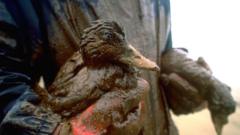
- 7,000: The number of oil-coated birds collected along the coast, with estimates suggesting double that number may have died.
- 6 days: The duration of the salvage operation before the Sea Empress was successfully towed to safety.
- £4 million: The initial fine imposed on Milford Haven Port Authority, later reduced to £750,000.
Definitions and jargon buster
- SSSI: Site of Special Scientific Interest, a protected area for wildlife conservation in the UK.
- Double-hull tankers: Ships designed with two layers of hull to reduce the risk of oil spills in case of a breach.
- Salvage operation: The process of recovering a ship and its cargo after an accident, including environmental protection measures.
How to think about the next steps
Near term (0–4 weeks)
In the immediate aftermath of the anniversary, it is essential for local communities to engage in discussions about ongoing environmental protection efforts and to advocate for stronger maritime regulations in light of climate change.
Medium term (1–6 months)
Over the next few months, stakeholders should focus on reviewing and strengthening response protocols for potential oil spills, continuing education on environmental issues, and fostering community involvement in conservation initiatives.
Signals to watch
- Upcoming reviews of maritime regulations and environmental policies in response to climate change.
- Local and national campaigns aimed at increasing awareness of marine conservation.
- Reports on shipping activity and incidents in UK waters.
Practical guidance
Do
- Stay informed about local environmental issues and policies.
- Participate in community clean-up activities and conservation initiatives.
- Support businesses that prioritise environmental sustainability.
Don’t
- Ignore the long-term impacts of oil spills and other environmental disasters.
- Assume that past regulations are sufficient in the face of climate change.
- Dismiss community feedback regarding environmental concerns.
Checklist
- Evaluate your own environmental impact and make necessary changes.
- Engage with local conservation organisations and initiatives.
- Stay updated on maritime safety and environmental regulations in your area.
- Advocate for sustainable practices within your community.
- Educate yourself and others about the importance of marine ecosystems.
Risks, caveats, and uncertainties
Despite improvements in maritime safety and environmental awareness since the Sea Empress disaster, the ongoing risks associated with climate change pose significant challenges. Increased shipping traffic, unpredictable weather patterns, and the emergence of new threats such as piracy and "dark fleets" complicate the landscape. Continuous vigilance and adaptation are necessary to mitigate these risks and protect sensitive marine ecosystems.
Bottom line
The Sea Empress oil spill remains a pivotal moment in the history of environmental awareness and maritime safety in the UK. As we commemorate its 30th anniversary, it serves as a reminder of the importance of vigilance, proactive measures, and community engagement in protecting our seas. The lessons learned from this disaster continue to inform policy and shape public attitudes towards environmental stewardship in the face of an evolving climate landscape.
FAQs
What happened during the Sea Empress disaster?
The Sea Empress disaster occurred on 15 February 1996 when the tanker ran aground, spilling over 70,000 tonnes of oil into the sea and affecting 200 km of coastline.
How did the Sea Empress spill affect local wildlife?
Approximately 7,000 oil-coated birds were collected, with estimates suggesting that many more perished. The spill also harmed marine life, including starfish and limpets.
What changes resulted from the Sea Empress disaster?
The incident led to significant changes in UK maritime policies, including the adoption of double-hull tankers and improved emergency response protocols.