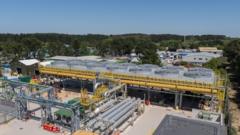
Is Ukraine Disrupting Hungary's Oil Supplies?
Published: 2026-02-26 05:00:13 | Category: world
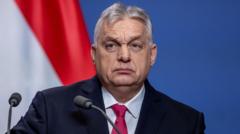
The Hungarian Prime Minister Viktor Orbán has recently deployed soldiers at key energy facilities across Hungary, attributing the need for this measure to alleged disruptions in energy supplies caused by Ukraine. This situation revolves around the Druzhba pipeline, a crucial route for Russian oil, which has been suspended since 27 January 2023 due to reported attacks on oil infrastructure by Ukraine. Orbán's accusations and the subsequent military response reflect rising tensions in the region, particularly ahead of Hungary's upcoming elections.
Last updated: 16 October 2023 (BST)
What’s happening now
In a decisive move, Viktor Orbán has positioned soldiers at energy facilities throughout Hungary, citing a need to safeguard critical infrastructure from what he claims are Ukrainian provocations. His government has accused Ukraine of implementing an "oil blockade" by delaying the reopening of the Druzhba pipeline, which has been a vital artery for oil supplies from Russia to Hungary and Slovakia. The pipeline has been out of operation since January 2023, a situation exacerbated by Kyiv's military actions aimed at Russian oil facilities.
Key takeaways
- Orbán has stationed soldiers at energy facilities due to alleged Ukrainian disruptions.
- The Druzhba pipeline has been closed since 27 January 2023, impacting oil shipments.
- Ukraine has intensified attacks on Russian oil infrastructure, leading to reduced Russian oil output.
- Hungary has vetoed a €90 billion EU loan to Ukraine amid tensions over energy supplies.
- Despite pipeline interruptions, Hungary and Slovakia reportedly have alternative oil supplies.
Timeline: how we got here
The situation has unfolded over several months, marked by escalating tensions between Hungary and Ukraine regarding energy supplies:
- 27 January 2023: The Druzhba pipeline is reportedly closed due to attacks on Russian oil facilities by Ukraine.
- Week of 9 October 2023: Orbán accuses Ukraine of an oil blockade, leading to military deployments in Hungary.
- 15 October 2023: Hungary vetoes a €90 billion EU loan to Ukraine, citing energy supply disputes.
What’s new vs what’s known
New today/this week
Orbán's recent comments and the military deployment signal a significant escalation in Hungary's stance towards Ukraine. His government claims that Ukraine's actions constitute an attack on Hungary’s energy security, which has been met with silence from Ukrainian officials.
What was already established
The Druzhba pipeline has faced intermittent disruptions for several years, particularly in light of geopolitical tensions. Russia's military actions in Ukraine have led to increased scrutiny of energy supplies in Europe, with Ukraine actively targeting Russian oil infrastructure.
Impact for the UK
Consumers and households
While the direct impact on UK energy consumers may be limited, the situation contributes to broader European energy instability. Increased tensions in Eastern Europe can lead to fluctuations in energy prices across the continent, potentially affecting UK energy imports and costs.
Businesses and jobs
The uncertainty surrounding energy supplies can impact businesses reliant on stable energy costs. Any prolonged disruption in oil supplies from Russia could lead to increased operational costs for UK companies, particularly in sectors heavily dependent on energy.
Policy and regulation
The UK government may need to monitor developments closely, as any escalation could prompt discussions on sanctions or other measures against Russia and its allies. Additionally, the UK's energy policy may need to adapt to changing circumstances in European energy markets.
Numbers that matter
- 250,000 barrels: Estimated reduction in crude oil intake by Russia due to Ukrainian attacks.
- €90 billion (£78 billion): Amount of the European Union loan vetoed by Hungary.
- January 2023: Date when shipments of Russian oil through the Druzhba pipeline were suspended.
Definitions and jargon buster
- Druzhba pipeline: A major oil pipeline that transports crude oil from Russia to several Central and Eastern European countries.
- EU: The European Union, a political and economic union of member states located primarily in Europe.
- Oil blockade: A term used to describe the deliberate restriction of oil supplies to a country, often for political reasons.
How to think about the next steps
Near term (0–4 weeks)
In the immediate future, observers should watch for any military movements or further statements from both Hungary and Ukraine, which could escalate tensions. The situation may also affect energy supplies within the EU.
Medium term (1–6 months)
As the situation develops, Hungary's domestic political landscape may shift, especially with elections approaching. Voter sentiment regarding national security and energy supply will be crucial.
Signals to watch
- Statements from the Hungarian government regarding energy security measures.
- Responses from Ukraine regarding Orbán's accusations.
- Any changes in the operations of the Druzhba pipeline and alternative oil supply routes.
Practical guidance
Do
- Stay informed about energy supply developments in Europe.
- Monitor how geopolitical tensions might affect energy prices.
- Consider alternative energy sources if you're reliant on oil.
Don’t
- Assume that the energy situation will remain stable.
- Ignore updates from reliable news sources regarding the conflict.
- Neglect the potential for increased costs due to supply disruptions.
Checklist
- Check your energy supplier's communications regarding potential disruptions.
- Assess your energy consumption and explore energy efficiency options.
- Review contingency plans for energy supply interruptions.
- Stay aware of government advisories related to energy security.
- Engage with community discussions on energy resilience.
Risks, caveats, and uncertainties
The situation remains fluid, with significant uncertainties about the intentions of both Hungary and Ukraine. Orbán's comments may serve domestic political purposes, especially as elections approach. As such, it is essential to remain cautious about interpreting these developments too definitively.
Bottom line
In summary, Viktor Orbán's military response to alleged Ukrainian actions against Hungary's energy supply reflects rising geopolitical tensions that could have broader implications for energy security in Europe. UK readers should remain vigilant about potential impacts on energy prices and supply stability as this situation evolves.
FAQs
What is the Druzhba pipeline?
The Druzhba pipeline is a major oil pipeline that transports crude oil from Russia to multiple countries in Central and Eastern Europe, including Hungary and Slovakia.
Why has Hungary deployed soldiers at energy facilities?
Hungary has deployed soldiers at energy facilities in response to allegations that Ukraine is disrupting oil supplies, particularly through the Druzhba pipeline.
What are the implications of the energy supply disruptions for the UK?
While the UK is not directly involved, energy supply disruptions in Europe can lead to increased energy prices and potential shortages that may affect UK consumers.