What Caused the Outbreak That Led to Millions of Animal Deaths?
Published: 2026-02-26 23:00:28 | Category: wales
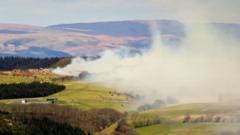
The 2001 foot-and-mouth disease outbreak in the UK led to the slaughter of millions of livestock, causing widespread devastation in rural communities and significant economic impacts. The highly contagious virus spread rapidly after its discovery at an Essex abattoir, leading to mass culls and a nationwide crisis that reshaped the agricultural landscape.
Last updated: 04 October 2023 (BST)
What’s happening now
The legacy of the 2001 foot-and-mouth disease outbreak continues to resonate within the UK agricultural sector. While the disease has not been present in Britain since the smaller outbreak in 2007, concerns regarding foot-and-mouth persist, particularly following recent reports of the virus in countries such as Cyprus. The UK's Chief Veterinary Officer has urged livestock owners to remain vigilant, highlighting the ongoing threat posed by this highly contagious virus.
Key takeaways
- The 2001 outbreak resulted in the slaughter of over six million animals across the UK.
- Local communities faced severe economic and social impacts, with livestock markets closed for over a year.
- Public access to rural areas was significantly restricted during the outbreak.
Timeline: how we got here
The timeline of the 2001 foot-and-mouth disease outbreak reveals a rapid escalation of events:
- 19 February 2001: The first case of foot-and-mouth disease was reported at an Essex abattoir.
- 27 February 2001: The disease was confirmed in Wales at an abattoir on Anglesey.
- March 2001: The UK government ordered the slaughter of infected and contiguous livestock, leading to mass culls.
- January 2002: The outbreak was declared over, but its effects lingered in rural communities.
What’s new vs what’s known
New today/this week
Recent reports indicate that the foot-and-mouth virus has been identified in cattle and sheep in Cyprus, prompting UK authorities to reinforce biosecurity measures. This news serves as a reminder of the ongoing global threat posed by foot-and-mouth disease.
What was already established
The 2001 outbreak marked the most significant episode of foot-and-mouth disease in the UK since the late 1960s. It resulted in substantial financial losses, with costs estimated at £3 billion, including compensation for farmers whose livestock were culled to control the outbreak.
Impact for the UK
Consumers and households
The 2001 outbreak had immediate repercussions for consumers, with livestock markets shutting down and access to fresh produce becoming limited. Households in rural areas faced financial distress as farmers were unable to sell their livestock, leading to cash flow problems.
Businesses and jobs
Many agricultural businesses suffered from the restrictions imposed during the outbreak. Livestock markets were closed for at least a year, disrupting the livelihoods of auctioneers, farmers, and associated businesses. The tourism sector also felt the pinch, with many rural attractions closing and visitor numbers plummeting.
Policy and regulation
In response to the outbreak, the UK government implemented strict measures to control the spread of the disease. This included the culling of animals on contiguous farms, leading to protests from local communities. The long-term regulatory impact included heightened biosecurity measures and ongoing monitoring of livestock health.
Numbers that matter
- £3 billion: Estimated cost of the 2001 outbreak to the UK economy.
- 6 million: Total number of animals slaughtered to control the disease.
- 35%: Proportion of the Welsh countryside under restrictions at the peak of the outbreak.
Definitions and jargon buster
- Foot-and-mouth disease: A viral disease affecting cloven-hoofed animals, characterised by fever and blister-like sores.
- Contiguous farms: Farms that share a boundary with a location where a disease has been confirmed.
How to think about the next steps
Near term (0–4 weeks)
Livestock owners in the UK should remain vigilant for signs of foot-and-mouth disease, particularly with the recent outbreaks in other countries. Implementing enhanced biosecurity measures is crucial.
Medium term (1–6 months)
The agricultural sector should prepare for potential regulatory changes and increased oversight to prevent future outbreaks. Farmers may need to adapt their practices to mitigate risks.
Signals to watch
- Reports of foot-and-mouth disease outbreaks in other countries.
- Updates from the UK's Chief Veterinary Officer regarding biosecurity measures.
- Changes in livestock movement regulations in response to disease threats.
Practical guidance
Do
- Monitor livestock closely for any signs of illness.
- Stay informed about biosecurity guidelines from local authorities.
- Engage with community agricultural groups for support and information sharing.
Don’t
- Do not ignore signs of disease in livestock.
- Do not share animals or equipment with neighbouring farms without proper disinfection.
Checklist
- Review and update biosecurity measures on your farm.
- Establish a communication plan with nearby farmers.
- Attend local agricultural meetings to stay informed about disease outbreaks.
Risks, caveats, and uncertainties
While the UK has not seen a significant outbreak of foot-and-mouth disease since 2007, the potential for future occurrences remains. The situation in other countries is a reminder that the disease is still a global concern. Farmers should remain aware of the risks and be prepared for possible regulatory responses if outbreaks occur elsewhere.
Bottom line
The 2001 foot-and-mouth disease outbreak devastated the UK agricultural sector and left lasting scars on rural communities. As the threat remains in other countries, vigilance and preparedness are essential for farmers to safeguard their livelihoods. The lessons learned from the past can help shape future responses to similar crises.
FAQs
What is foot-and-mouth disease?
Foot-and-mouth disease is a viral infection affecting cloven-hoofed animals, causing painful blisters and potential lameness. It does not affect humans.
How did the 2001 outbreak impact UK agriculture?
The 2001 outbreak led to the slaughter of over six million animals and resulted in significant financial losses for farmers and the agricultural sector as a whole.
What precautions should livestock owners take today?
Livestock owners should monitor their animals for signs of illness, implement biosecurity measures, and stay informed about potential outbreaks in other countries.