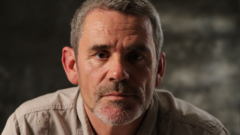
Tributes pour in for war photographer Paul Conroy after his death
Published: 2026-03-01 21:00:05 | Category: world
In the world of photojournalism, few names resonate with the same weight as Paul Conroy. Known for his courage and dedication, Conroy’s career spanned multiple conflict zones, where he captured the harrowing realities of war. His work not only documented the events but also gave a voice to the voiceless, earning him respect and admiration both in the field and among his peers. Recently, the news of his passing at the age of 61 has sent ripples through the media community, prompting an outpouring of tributes and reflections on his impactful life.
Conroy’s journey was punctuated by his near-fatal experience in Syria in 2012, where he was wounded during the bombardment of Homs. This tragic event claimed the life of his colleague, the renowned journalist Marie Colvin, and left Conroy with physical scars that he would carry for life. Their story, intertwined with loss and bravery, was later depicted in the film “A Private War,” further immortalising their dedication to truth-telling amidst chaos.
News of Conroy’s death from a heart attack in Devon has left many mourning the loss of not just a talented photographer but a true humanitarian. His brother, Alan, shared poignant reflections on Conroy’s life, highlighting his passion for exposing injustices and making a difference through his lens. As tributes continue to pour in—from fellow journalists to friends and family—the impact of his work and the legacy he leaves behind are becoming increasingly evident.
Here’s what we know so far—and what’s still unclear.
Conroy’s passing has been confirmed by family and various media outlets, including the BBC. His brother confirmed the heart attack that led to his untimely death. However, details surrounding the circumstances of his health in the lead-up to his passing remain unreported. Colleagues and friends have shared memories of his character and contributions, painting a picture of a man deeply committed to his craft and to the stories he told. While many have expressed their grief, the specific details of any memorial services or tributes planned in his honour are still to be announced.
Why this matters
Paul Conroy’s legacy is significant not only for his remarkable body of work but also for what it represents in the broader context of photojournalism. His commitment to documenting conflict zones sheds light on the human condition during war, sparking conversations about ethics, safety, and the role of the media in conflict reporting. In an age where misinformation can spread rapidly, Conroy’s dedication to truth and storytelling serves as a reminder of the importance of responsible journalism.
The implications of his work extend beyond the battlefield; they encourage future generations of journalists to pursue their craft with integrity, compassion, and courage. For audiences, his photographs are more than just images; they are gateways into understanding complex global issues and the human experiences behind them.
Timeline: how we got here
To fully appreciate the impact of Paul Conroy’s life and work, it’s helpful to trace key moments that defined his career:
- 1980s: Conroy serves in the Royal Artillery, gaining first-hand experience that would later inform his perspective as a journalist.
- 2000s: Transitioning into photojournalism, he begins covering conflicts around the world, gaining recognition for his powerful images.
- February 2012: Conroy is injured in Homs, Syria, during a bombardment that claims the life of Marie Colvin and fellow journalist Remi Ochlik.
- 2018: The film “A Private War” is released, depicting the experiences of Conroy and Colvin in Syria, with Jamie Dornan portraying Conroy.
- October 2023: Paul Conroy passes away at the age of 61 from a heart attack in Devon.
What we know now
As of now, the confirmed details surrounding Paul Conroy’s passing highlight the deep sense of loss felt by those who knew him and the industry at large. His brother Alan has voiced the family’s grief and shared insights into Conroy’s lifelong passion for storytelling and advocacy for the oppressed. Social media has been flooded with tributes from colleagues, friends, and admirers, each echoing sentiments of respect for Conroy’s character and contributions.
While many aspects of his health leading up to his death remain unclear, the impact of his work is undeniably profound. Conversations about his legacy are already taking shape, sparking discussions on the importance of ethical journalism and the risks taken by those who dare to document the truth in conflict zones.
What happens next
Looking ahead, several potential scenarios may unfold in the wake of Conroy’s passing. There may be memorial services or tributes held to honour his life and work, celebrating his contributions to photojournalism and humanitarian efforts. Additionally, discussions around his legacy could ignite renewed interest in the challenges faced by journalists in conflict zones, prompting calls for greater protection and support for media professionals.
Furthermore, his work may inspire upcoming journalists and photographers to embrace the values he championed—integrity, courage, and a commitment to uncovering the truth. As more tributes are shared, it’s likely that there will be an increasing focus on how his experiences can inform future journalistic practices.
Practical impacts
The impact of Paul Conroy’s work resonates across various audiences, including aspiring journalists, policymakers, and the general public. For aspiring photojournalists, his legacy serves as a powerful reminder of the importance of dedication and ethical responsibility in storytelling. His experiences underscore the risks taken by journalists in conflict zones, prompting discussions about safety measures and support systems for those in the field.
For policymakers, Conroy’s work may highlight the necessity of protecting press freedom and ensuring that journalists can operate without fear of violence or censorship. His dedication to exposing injustices may also encourage advocates to push for reforms that address the issues he documented throughout his career.
Lastly, the public’s engagement with Conroy’s work can foster a greater understanding of global conflicts and the human stories behind them. By reflecting on his contributions, audiences are reminded of the power of photography to evoke empathy and inspire change.
Related reading
Related: [Paul Conroy's impact on photojournalism]
Related: [The role of journalists in conflict zones]
Related: [Courageous stories from the front lines]
Related: [Memorable photojournalists in history]
FAQs
What were Paul Conroy's most notable assignments?
Paul Conroy's career was marked by significant assignments in conflict zones, including Syria, Libya, and Ukraine. His work captured the harsh realities of war and human suffering, earning him recognition and respect within the journalism community.
How did Paul Conroy impact the field of photojournalism?
Conroy's commitment to documenting the truth in conflict zones highlighted the importance of ethical journalism. His powerful imagery and storytelling inspired many aspiring journalists to pursue their craft with integrity and compassion, advocating for the voiceless.
What legacy does Paul Conroy leave behind?
Paul Conroy leaves a legacy of bravery, dedication, and a passion for truth-telling. His contributions to photojournalism and advocacy for humanitarian issues continue to inspire journalists and audiences alike to engage with global conflicts and human rights issues thoughtfully and empathetically.
As we reflect on the life and work of Paul Conroy, it becomes clear that his contributions to photojournalism will not be forgotten. His legacy encourages us to remain vigilant in our pursuit of truth and justice in a world often marred by conflict. #PaulConroy #Photojournalism #Legacy