Glasgow to Create New Wild Spaces to Protect Butterfly Populations
Published: 2026-03-02 07:00:14 | Category: technology
In an ambitious move to bolster urban biodiversity, Glasgow is set to become home to dozens of new wild spaces designed to attract a variety of wildlife, particularly butterflies and moths. As concerns grow over the declining populations of these essential pollinators across the UK, the Butterfly Conservation charity is teaming up with Glasgow City Council to create 40 new habitats over the next two years. This initiative not only aims to enhance the local ecosystem but also seeks to inspire residents to engage in wildlife conservation.
The project has garnered significant attention, especially as it promises to transform parks, schools, and community hubs into thriving habitats for butterflies and moths. With urban areas often seen as biodiversity deserts, the undertaking emphasises the importance of integrating nature into city life. The project's framework is designed to foster community involvement, with plans to recruit at least 40 volunteers to help maintain these spaces.
Claire Martin, a project officer with Butterfly Conservation, highlighted the intrinsic value of green spaces, stating that they provide critical opportunities for communities to connect with nature. “Parks and green spaces are incredibly important for local communities,” she said, pointing out that Glasgow's green areas make up over a fifth of the city's total land. By enhancing this network, the initiative aims to create a positive ripple effect for both wildlife and the wellbeing of residents.
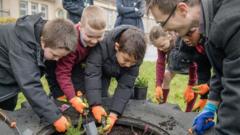
The initiative is backed by a £250,000 funding package from The National Lottery Heritage Fund, alongside support from Glasgow City Council and various Butterfly Conservation supporters. The project plans to establish 15 wildlife zones in public green spaces and 13 in schools, engaging students and staff in the process. A launch event at St Martha's Primary School marked the beginning of this exciting venture, with several parks, including Penilee Park and Richmond Park, already earmarked for transformation.
As the city prepares to roll out this project, many are left wondering about the specifics of its implementation and what impact it will have on local wildlife. Here’s what we know so far — and what’s still unclear.
Confirmed details include the establishment of 40 new habitats aimed at fostering butterfly and moth populations, supported by a significant investment from various funding sources. The involvement of local schools and community groups is also assured, with over a dozen organisations already expressing interest in participation. However, the exact timeline for each habitat's completion and the specific types of flora that will be introduced remain unconfirmed. Such details will be critical in understanding how effectively the project will address the urgent need for increased pollinator habitats.
Why this matters
The creation of wild spaces in Glasgow is significant not just for the city but for broader environmental efforts across the UK. Pollinators such as butterflies and moths are vital for healthy ecosystems, as they help in the pollination of many plants, including those that produce food. The decline in their populations is alarming, and initiatives like this one are crucial in reversing that trend.
Moreover, this project is an opportunity for urban communities to reconnect with nature, fostering a sense of stewardship and responsibility for the environment. By encouraging local involvement, the initiative aims to create a sustainable model that can be replicated in other cities, ensuring long-term benefits for urban wildlife.
Timeline: how we got here
To understand the progression of this initiative, here’s a brief timeline of key events:
- October 2023: The Wild Spaces project is formally announced, with funding secured from The National Lottery Heritage Fund and other supporters.
- November 2023: The launch event takes place at St Martha's Primary School, signalling the start of the project.
- December 2023: Initial parks, including Penilee Park and Richmond Park, are selected for habitat creation.
- January 2024: Recruitment of volunteers begins to aid in the maintenance of new wildlife zones.
- Ongoing (2024–2025): Habitat creation continues across identified areas, with community involvement integral to the process.
What we know now
As of now, the Wild Spaces project is actively recruiting volunteers and engaging with schools to facilitate the creation of new habitats. The focus is on constructing wildlife zones that will be beneficial for butterflies and moths, with a particular emphasis on native wildflowers that will provide nourishment and shelter.
While the overall framework of the project is clear, further details about specific habitat locations and the types of flora to be introduced are still forthcoming. The project team is expected to share updates as progress is made, allowing the community to stay informed and involved.
What happens next
Looking ahead, several scenarios could unfold as the project develops. Key triggers to watch include the response from the local community and the effectiveness of volunteer recruitment. If the project gains traction, it may pave the way for further collaborations with additional councils in Scotland, creating a network of urban wildlife habitats.
The initiative also aims to monitor the ecological impact of these habitats. Success will likely be measured by an increase in butterfly and moth populations, which would be an encouraging sign for both local ecology and community engagement. Public interest and involvement may also lead to further funding opportunities, expanding the project even beyond its initial scope.
Practical impacts
The implications of the Wild Spaces project extend to various sectors of society. For residents, increased access to green spaces will enhance their wellbeing and provide educational opportunities about local wildlife. Schools participating in the initiative can expect to integrate environmental education into their curriculums, fostering a new generation of environmentally conscious citizens.
From a market perspective, increased focus on urban biodiversity can lead to greater interest in sustainable practices among local businesses. As community members engage more with their environment, there may be positive ripple effects in local economies as eco-friendly initiatives gain popularity.
Related reading
Related: [Impact of Urban Biodiversity on Communities]
Related: [How to Create Your Own Wildflower Garden]
Related: [Butterfly Conservation: What You Can Do]
Related: [The Importance of Pollinators in Urban Areas]
FAQs
What types of habitats will be created?
The project will establish various habitats primarily aimed at supporting butterflies and moths, utilising native wildflowers to provide essential food and shelter.
How can I get involved with the project?
Residents interested in volunteering or supporting the initiative can reach out to the Butterfly Conservation charity for information on how to participate in habitat maintenance and community activities.
When will the habitats be completed?
While specific completion dates for each habitat have yet to be confirmed, the project is set to unfold over the next two years, with ongoing updates expected as progress is made.
As Glasgow embarks on this exciting journey to enhance its urban biodiversity, the outcomes of the Wild Spaces project will be closely monitored. This initiative not only provides a chance to revive local ecosystems but also fosters a community spirit dedicated to conservation. Keep an eye on developments as the project unfolds, as it could serve as a model for similar efforts elsewhere. #UrbanBiodiversity #WildSpaces #ButterflyConservation