India and Canada Forge Landmark Nuclear Energy Deal: What You Need to Know
Published: 2026-03-02 12:00:11 | Category: technology
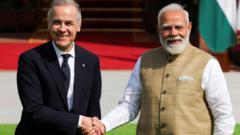
In a significant diplomatic development, India and Canada have taken steps to mend their strained relations, which had reached a low point following accusations regarding the assassination of Sikh separatist Hardeep Singh Nijjar. The meeting between Prime Minister Narendra Modi and Canadian Prime Minister Mark Carney in Delhi marked a pivotal moment, as both leaders announced a series of agreements aimed at enhancing cooperation across multiple sectors, including nuclear energy, technology, and trade.
The backdrop to this renewed partnership is complex. Tensions escalated when former Canadian Prime Minister Justin Trudeau made allegations linking India to Nijjar's killing on Canadian soil, claims that India vehemently denied. This led to a significant diplomatic fallout, with both countries expelling diplomats and suspending visa services. With Canada hosting a large Indian diaspora, the stakes were high for both nations to find common ground.
Since Carney took office, efforts to rebuild ties have been underway. His government has expressed a willingness to engage with India, asserting that it does not currently believe India is involved in violent crimes on Canadian territory. The relationship has been cautiously nurtured, culminating in this recent summit, where both leaders articulated a vision for future collaboration.
During their discussions, Modi highlighted a groundbreaking 10-year nuclear energy deal that will include long-term uranium supply and collaboration on advanced reactors. This agreement is seen as a cornerstone for energy security in India, which is increasingly looking to diversify its energy sources. Carney echoed these sentiments, noting that Canada is well-positioned to support India's nuclear fuel requirements.
Here's what we know so far — and what’s still unclear.
Confirmed facts include the establishment of a nuclear energy partnership, agreements in technology and defence sectors, and a commitment to finalise a free trade deal by the end of 2026. The two nations are aiming for a target of $50 billion in bilateral trade, a significant increase from current figures. Notably, the diplomatic atmosphere has improved since Carney's administration has taken a more reconciliatory approach.
However, certain aspects remain unconfirmed. For instance, the details surrounding the free trade agreement's specific provisions are still being negotiated, and the outcomes of ongoing legal proceedings related to Nijjar's assassination are yet to be determined. These elements will be crucial in defining the future trajectory of Canada-India relations.
Why this matters
The implications of this renewed partnership between India and Canada extend far beyond mere diplomatic niceties. Both countries are looking to bolster their positions in an increasingly multipolar world, where reliance on traditional powers like the United States and Russia is being reassessed. The agreements made will not only strengthen their economic ties but also enhance their geopolitical cooperation.
This collaboration is especially significant for India, which is keen on reducing its dependence on Russian energy amidst ongoing global tensions. For Canada, securing a stable energy partnership with one of the world's fastest-growing economies presents an opportunity to diversify its trade relationships, particularly in light of shifting global supply chains.
Timeline: how we got here
To fully appreciate the context of this diplomatic thaw, it is essential to consider the timeline of events leading to the recent agreements:
- September 2023: Canadian Prime Minister Justin Trudeau accuses India of involvement in the assassination of Hardeep Singh Nijjar, leading to a diplomatic crisis.
- October 2023: Both nations expel diplomats as tensions escalate, and Canada suspends visa services for Indian nationals.
- February 2024: Mark Carney is appointed as Prime Minister of Canada, signalling a potential change in approach towards India.
- February 28, 2024: Carney begins a four-day visit to India, meeting business leaders and ministers in Mumbai.
- March 1, 2024: The summit in Delhi occurs, leading to a series of agreements including a nuclear energy deal and plans for a free trade agreement.
What we know now
As of now, the agreements made during the Delhi summit are seen as a positive step towards fostering bilateral relations. The nuclear energy deal is particularly noteworthy, as it establishes a framework for long-term uranium supply and collaborative technological advancements in the energy sector.
Additionally, both Modi and Carney have expressed a commitment to concluding a free trade deal that has been under discussion for years. The aspiration to enhance trade to $50 billion indicates a robust vision for future economic cooperation. However, specific details regarding the implementation and expected timelines for these agreements are still being clarified.
What happens next
The road ahead will be shaped by several key factors. The successful negotiation of the free trade agreement will be closely monitored, with both governments under pressure to deliver on their ambitious targets. Analysts suggest that any potential setbacks in negotiations could reignite tensions, particularly if public sentiment in either country shifts in response to domestic political pressures.
Furthermore, the ongoing legal proceedings regarding Nijjar's assassination will be critical. Any developments in this case could impact diplomatic relations, depending on how each country perceives the other’s actions. Overall, both nations appear determined to maintain a constructive dialogue, with future discussions likely focusing on technology, energy, and trade.
Practical impacts
The agreements reached between India and Canada will have a ripple effect across various sectors. For businesses involved in nuclear energy, the new partnership presents opportunities for investment and innovation. Indian firms may find Canadian technology and resources increasingly accessible, aiding in their pursuit of energy security.
On the trade front, a successful free trade agreement could significantly alter the economic landscape for both countries. Indian exporters may gain better access to Canadian markets, while Canadian companies could benefit from reduced tariffs on their goods. Consumers in both nations might also see the benefits through lower prices and increased product diversity.
For the large Indian community in Canada, improved diplomatic relations could ease travel and improve bilateral ties, fostering a more interconnected cultural exchange. Additionally, the emphasis on education and technology cooperation may lead to enhanced opportunities for Indian students and professionals in Canada.
Related reading
Related: [Canada-India trade relations]
Related: [Nuclear energy partnerships]
Related: [Diplomatic relations between Canada and India]
Related: [Global geopolitical shifts]
FAQs
What agreements were reached during the summit between India and Canada?
During the summit, India and Canada announced several agreements, including a 10-year nuclear energy deal, partnerships in technology and education, and a commitment to finalise a free trade agreement by the end of 2026.
What is the significance of the nuclear energy deal?
The nuclear energy deal is significant as it establishes a long-term framework for uranium supply and collaboration on advanced reactors, which is essential for India’s energy security and diversification of energy sources.
How might the agreements affect trade relations between the two countries?
The agreements could significantly boost bilateral trade, with both countries aiming to reach $50 billion in trade. A successful free trade agreement would reduce tariffs and enhance market access, benefiting businesses and consumers in both nations.
As India and Canada navigate this new chapter in their diplomatic history, the future promises to be closely watched by global observers. Both nations are poised to leverage their mutual strengths, setting the stage for an enduring partnership in the face of shifting geopolitical dynamics. #IndiaCanadaRelations #NuclearEnergy #GlobalTrade