Will Niger's Military Leaders Take Control of the Uranium Industry?
Published: 2025-06-20 12:10:12 | Category: world
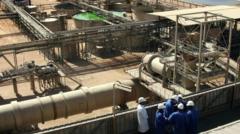
Niger's Military Junta and the Nationalization of Somaïr: A New Era for Uranium Management
In a bold move that reflects shifting power dynamics in West Africa, Niger's military junta has announced plans to nationalize the French-owned uranium company, Somaïr. This decision is part of a broader strategy to assert local control over the country's mineral wealth and reduce reliance on foreign powers, particularly France, which has historically dominated Niger's resources. With Niger being one of the world's leading producers of uranium, this nationalization could have significant implications for both the local economy and international relations.
The Context of Nationalization
Niger gained independence from France in 1960, yet the remnants of colonial influence linger, particularly in the mining sector. The country's uranium resources have been a focal point of foreign investment, primarily from French companies like Orano, which owns a 63% stake in Somaïr. The junta's decision to nationalize Somaïr comes against a backdrop of rising anti-French sentiment and a desire for greater sovereignty over natural resources.
Why Somaïr?
The Somaïr mine, operated by Orano, is strategically important due to Niger's position as the seventh largest producer of uranium globally. The uranium extracted here is not only vital for Niger's economy but also plays a crucial role in the global nuclear energy market. The junta's stated aim is to ensure that the wealth generated from these resources benefits Nigeriens directly, promoting sustainable management and local control.
The Implications of Nationalization
The nationalization of Somaïr raises several critical issues that could have far-reaching effects:
- Local Economic Growth: By taking control of uranium resources, the Nigerien government aims to channel profits back into the local economy, potentially leading to increased investment in infrastructure and social services.
- Job Security: While the move is framed as a path to better management of resources, it introduces uncertainty for hundreds of workers employed by Somaïr and other related industries, raising concerns about job security and economic stability.
- International Relations: This decision could strain relations between Niger and France, as well as impact Niger’s dealings with international investors. The junta has already signaled a shift towards strengthening ties with Russia, which may redefine Niger's foreign policy landscape.
- Legal Challenges: Orano has initiated legal proceedings against Niger, arguing that the seizure of operational control and the proposed nationalization violate existing agreements. The outcome of these legal battles could set a precedent for other countries in similar situations.
The Local and Global Impact of Uranium Mining
Niger's uranium is not only essential for its domestic economy but also for the global nuclear energy sector. As nations seek to reduce carbon emissions, uranium's role in clean energy production becomes increasingly prominent. Thus, any changes in Niger's mining policies resonate well beyond its borders.
The Importance of Uranium in Global Energy
Uranium is a critical fuel source for nuclear power plants, which generate a significant portion of the world’s electricity. As countries strive for energy independence and lower greenhouse gas emissions, the demand for uranium is expected to rise. Niger, with its high-grade ore deposits, is well positioned to meet this demand.
Public Sentiment and National Pride
Public opinion in Niger has largely shifted towards favoring local control over natural resources. Many citizens view the nationalization of Somaïr as a step towards reclaiming their sovereignty and ensuring that Nigeriens benefit from their own resources. This sentiment is fueled by a history of perceived exploitation, where profits from uranium mining have disproportionately favored foreign entities over local communities.
Anti-French Sentiment
The junta's actions reflect growing anti-French sentiment in Niger and other West African nations. Many citizens see France's historical role in their economies as a form of neo-colonialism, where local resources are exploited without adequate compensation. By nationalizing Somaïr, the junta aims to dismantle this legacy and demonstrate its commitment to national sovereignty.
Future Prospects: Balancing National Interests and Economic Stability
While the nationalization of Somaïr presents opportunities for Niger to assert its sovereignty and enhance local economic benefits, it also poses risks. The uncertainty surrounding the mining sector could deter foreign investment, which is crucial for job creation and economic stability. The junta must navigate these challenges carefully to ensure that the nationalization leads to tangible benefits for the people of Niger without jeopardizing the country's economic future.
The Path Forward
To realize the potential benefits of nationalization, Niger's government must focus on:
- Transparent Management: Establishing a transparent framework for managing Somaïr will be essential to build trust with both local communities and potential investors.
- Investment in Local Capacity: Investing in local skills and infrastructure will help ensure that Nigeriens can effectively manage their resources and create jobs.
- Engaging Stakeholders: Engaging with various stakeholders, including communities, NGOs, and international partners, will be crucial to address concerns and foster collaboration.
Conclusion
The nationalization of Somaïr marks a significant turning point in Niger's approach to managing its mineral wealth. By asserting control over its uranium resources, the junta aims to foster local economic growth and enhance national pride. However, the complexities of this transition require careful navigation to balance national interests with economic stability. As Niger embarks on this new chapter, the world will be watching closely to see how this bold move unfolds.
FAQs
What is the significance of uranium mining in Niger?
Niger is the seventh largest producer of uranium in the world, and its high-grade ore deposits are crucial for the global nuclear energy sector. The mining industry significantly contributes to the country's economy.
What prompted the nationalization of Somaïr?
The nationalization is part of Niger's military junta's efforts to reclaim control over its natural resources and reduce dependency on foreign powers, particularly France, amid rising anti-colonial sentiment.
What are the potential risks of nationalizing Somaïr?
Risks include potential job losses, declining foreign investment, and legal challenges from Orano, which could affect the stability of Niger's mining sector and economy.
How might this affect Niger's international relations?
This move could strain relations with France and influence Niger's future dealings with other nations, particularly as the junta seeks closer ties with Russia and other non-Western powers.
As Niger navigates this significant transition, what do you think will be the biggest challenges they will face in managing their uranium resources? #NigerUranium #Nationalization #MiningIndustry