Is Your Old Mobile Phone Contributing to Pollution in Thailand?
Published: 2025-06-26 06:46:08 | Category: technology
Understanding Thailand’s E-Waste Crisis: A Growing Environmental Challenge
In recent years, Thailand has emerged as a significant player in the global e-waste crisis. The rapid influx of electronic waste has raised alarms among environmentalists, government officials, and local communities alike. As industrial sites across the country grapple with mountains of discarded electronics, the implications for public health and the environment are becoming increasingly dire. This article delves into the complexities of Thailand's e-waste problem, the factors that have contributed to its escalation, and what the future may hold for this Southeast Asian nation as it confronts a growing environmental challenge.
The Surge of Electronic Waste in Thailand
Electronic waste, commonly referred to as e-waste, encompasses discarded electrical or electronic devices, including computers, mobile phones, televisions, and household appliances. The rapid advancement of technology has resulted in shorter product lifespans, leading consumers to upgrade their devices more frequently. As a result, the amount of e-waste generated globally has skyrocketed, with an estimated 60 million tonnes produced each year, according to the United Nations.
Thailand has not been immune to this trend. Following China's 2018 ban on e-waste imports, many shippers turned to Southeast Asia, with Thailand becoming a primary destination for illegal and unregulated e-waste processing. Despite the introduction of an import ban in Thailand in 2020, the volume of e-waste entering the country has increased dramatically—reportedly growing from 3,000 tonnes per year to an astonishing 60,000 tonnes.
Unlicensed E-Waste Processing: A Hidden Threat
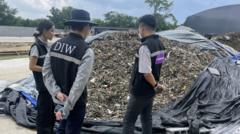
In the face of increasing e-waste imports, unlicensed processing facilities have proliferated throughout Thailand. These operations, often located in rural areas, evade regulatory scrutiny and pose significant risks to both the environment and public health. Thitipas Choddaechachainun, head of a government task force, highlights the challenges her team faces in tackling this growing problem. Each week, they conduct inspections to identify and shut down unlicensed plants, capturing samples of e-waste for further analysis.
Unfortunately, the sheer volume of waste and the clandestine nature of these operations make enforcement difficult. Many of these facilities are not only illegal but also hazardous, utilizing crude and dangerous methods to extract valuable metals like copper and gold. This process often involves smelting, which releases toxic substances such as mercury and lead into the environment, contaminating soil and water supplies.
The Impact on Local Communities
The implications of unregulated e-waste processing extend far beyond environmental degradation. Local communities are experiencing detrimental effects on their health and livelihoods. For example, Seng Wongsena, a local farmer, has reported that polluted water from a nearby smelter has negatively impacted his cassava harvest. The smell from the facility has disrupted his sleep, further illustrating the human cost of these illegal operations.
Environmental activists and local residents are becoming increasingly vocal in their calls for action against unlicensed e-waste processing plants. They argue that these facilities not only harm public health but also undermine local economies and agriculture. The situation is further exacerbated by the lack of regulatory oversight and enforcement, which allows these businesses to operate with impunity.
Global Context: E-Waste and the Environment
Thailand's struggle with e-waste is part of a larger global crisis. The UN reports that less than 25% of e-waste is collected and recycled responsibly, with the rate of recycling failing to keep pace with the growing volume of waste generated. This situation presents significant challenges not only for Thailand but for countries around the world.
As technology continues to evolve, the demand for electronic devices shows no signs of slowing. Manufacturers like Apple, Samsung, and Dell are increasingly being held accountable for the lifecycle of their products, with many countries implementing extended producer responsibility (EPR) laws. These laws require manufacturers to take back their products at the end of life and ensure responsible disposal. Thailand is planning to introduce similar legislation, aiming to hold manufacturers accountable and promote more sustainable practices.
Current Efforts and Future Initiatives
Thailand's government is taking steps to combat the e-waste crisis. Industry Minister Akanat Promphan has established a special task force focused on cracking down on illegal e-waste processing. He emphasizes that the unlicensed recycling plants provide no economic benefit to the country while posing significant threats to the environment and local communities.
In addition to regulatory action, education and awareness campaigns are crucial to addressing the issue of e-waste in Thailand. Increasing public understanding of the importance of responsible e-waste disposal can help reduce the amount of waste generated and encourage citizens to recycle their electronics properly.
Moving Towards a Sustainable Future
As Thailand grapples with the challenges posed by e-waste, the path forward will require a multi-faceted approach. This includes strengthening regulations, enhancing enforcement mechanisms, and fostering collaboration between government agencies, manufacturers, and local communities. Additionally, investing in recycling infrastructure and sustainable waste management practices will be essential in addressing the growing e-waste crisis.
International cooperation will also play a vital role in tackling the e-waste problem. Many countries must collaborate to create a cohesive strategy for managing electronic waste, sharing best practices, and holding companies accountable for their environmental responsibilities. By working together, nations can develop innovative solutions that promote sustainability and protect both the environment and public health.
Conclusion: A Call to Action
Thailand's e-waste crisis highlights the urgent need for comprehensive action to address the growing problem of electronic waste. As the country grapples with the implications of unregulated processing and the environmental consequences of this growing issue, it is clear that a collaborative effort is essential. By implementing stricter regulations, enhancing public awareness, and fostering international cooperation, Thailand can pave the way for a more sustainable future. The time to act is now—before the e-waste problem spirals further out of control.
Frequently Asked Questions
What is e-waste?
E-waste refers to discarded electronic devices, including computers, mobile phones, televisions, and household appliances. It encompasses any electrical or electronic equipment that is no longer in use or has reached the end of its life cycle.
Why is e-waste a problem in Thailand?
The influx of e-waste into Thailand has increased dramatically since China's ban on e-waste imports. Many unlicensed processing facilities have emerged, posing significant risks to public health and the environment due to toxic emissions and improper waste disposal practices.
How can we recycle e-waste responsibly?
To recycle e-waste responsibly, individuals should seek out certified e-waste recycling facilities that adhere to environmental regulations. It is also essential to educate oneself about local recycling programs and initiatives aimed at promoting sustainable disposal practices.
What steps is the Thai government taking to address e-waste?
The Thai government has established a special task force to combat illegal e-waste processing and is working towards enacting new legislation to hold manufacturers accountable for the lifecycle of their products. Public awareness campaigns are also being promoted to educate citizens on responsible e-waste disposal.
As the world faces a mounting e-waste crisis, Thailand’s experience serves as a stark reminder of the challenges ahead. Can we balance technological advancement with environmental sustainability? The answer lies in our collective commitment to responsible consumption and disposal practices. #Ewaste #Sustainability #ThailandEnvironmentalChallenge