Is the UK Ending Its Independent Space Agency to Save Money?
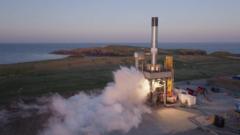
The UK Space Agency (UKSA) is set to be absorbed into the Department for Science, Innovation and Technology (DSIT) by April 2026, a move aimed at reducing bureaucracy and costs. While the government asserts that this consolidation will streamline operations and enhance ministerial oversight, critics warn that it may undermine the UK's competitive edge in the global space sector.
Last updated: 04 October 2023 (BST)
Key Takeaways
- The UK Space Agency will merge with the Department for Science, Innovation and Technology by April 2026.
- Government aims to save costs and reduce duplication of efforts.
- Critics express concern over potential loss of focus and competitiveness.
- The UK space sector generates approximately £18.6 billion annually and employs 55,000 people.
- Experts worry about bureaucratic inertia following the merger.
Overview of the UK Space Agency
Established in 2010, the UK Space Agency was formed to enhance the country’s capabilities in the burgeoning space industry. This came as countries worldwide recognised the strategic importance of space exploration and technology development. The agency's responsibilities include formulating the UK's space strategy, coordinating research, promoting commercial activities, and collaborating with international partners.
The Role and Achievements of UKSA
During its operation, the UK Space Agency has been instrumental in significant milestones, such as:
- Sending British astronaut Tim Peake to the International Space Station (ISS).
- Developing the capability to launch small satellites from Scottish spaceports.
- Fostering innovation in spacecraft and space instrumentation.
The UK space sector, supported by UKSA, is a vital part of the national economy, contributing around £18.6 billion each year and providing employment to approximately 55,000 individuals across the country.
Reasons for the Merger
The government has announced this merger as part of a broader strategy to reduce expenditure and streamline governmental functions. Prime Minister Keir Starmer has prioritised cutting the number of quangos—quasi-autonomous non-governmental organisations—starting with the abolition of NHS England. The government believes that merging UKSA with DSIT will eliminate redundancy and enhance efficiency.
Government's Justification
Space Minister Sir Chris Bryant stated, "Bringing things in house means we can bring much greater integration and focus to everything we are doing while maintaining the scientific expertise and the immense ambition of the sector." This statement reflects the government's intent to consolidate resources and enhance oversight within the space sector.
Concerns from Experts
Despite the government's assurances, many experts, including Dr Simeon Barber from the Open University, express serious concerns about the merger's implications. Dr Barber warns that disbanding an independent UKSA could lead to a lack of focus in the UK space sector, potentially resulting in the country falling behind its international competitors.
The Dangers of Bureaucracy
Dr Barber articulates fears that the merger may lead to a more bureaucratic environment that could stifle innovation. He points out that the proactive and dynamic approach of the UKSA has been vital for the nation's success in space science. The shift to a more traditional government department model might hinder the agility and responsiveness that have characterised the agency's operations thus far.
The Future of the UK Space Sector
As the merger looms, the future of the UK space sector remains uncertain. The consolidation into DSIT may affect ongoing projects and partnerships, potentially disrupting the momentum that the UK has built over the years. Given the competitive landscape in space exploration, this transition period will be crucial for maintaining the UK's status as a leader in the sector.
The Global Context
Worldwide, countries are increasingly recognising the importance of space initiatives. Nations like the United States, China, and members of the European Union are investing heavily in their space capabilities. In contrast, the UK’s decision to absorb UKSA into a larger governmental body raises questions about its long-term strategy and its commitment to the sector.
Potential Impacts on Employment and Innovation
The absorption of UKSA into DSIT could have wider implications for job security and innovation within the sector. With 55,000 people employed in the UK space industry, any disruptions could lead to uncertainty among employees and stakeholders in the industry.
Moreover, as funding and resources are streamlined, there may be concerns about the prioritisation of projects. The risk is that vital initiatives could be sidelined as the new organisational structure seeks to align with broader governmental objectives.
What Happens Next?
As the government plans to implement this merger by April 2026, stakeholders within the UK space sector are advocating for clarity on how the transition will unfold. Key questions remain regarding funding allocations, project continuity, and the preservation of expertise that UKSA has cultivated over the years.
Conclusion
The merger of the UK Space Agency into the Department for Science, Innovation and Technology signifies a significant shift in the UK’s approach to its space sector. While the government cites cost savings and efficiency as primary motivations, experts warn of potential risks to innovation and focus. As the landscape evolves, it remains to be seen whether this change will bolster the UK’s position in the global space race or hinder its progress.
How will the UK navigate this critical juncture in its space exploration strategy? Only time will tell. #UKSpace #SpaceInnovation #GovernmentReform
FAQs
What is the UK Space Agency's primary function?
The UK Space Agency's primary function is to develop the UK's space strategy, coordinate research, and promote commercial activities in the space sector.
When will the UK Space Agency merge with DSIT?
The UK Space Agency is set to merge with the Department for Science, Innovation and Technology in April 2026.
What are the anticipated benefits of the merger?
The government claims that the merger will reduce costs, eliminate duplication of efforts, and enhance ministerial oversight within the space sector.
Who has expressed concerns about the merger?
Experts, including Dr Simeon Barber from the Open University, have expressed concerns that the merger may lead to a loss of focus and innovation within the UK space sector.
How much does the UK space sector contribute to the economy?
The UK space sector generates an estimated £18.6 billion annually and employs approximately 55,000 people across the country.
Published: 2025-08-20 00:42:17 | Category: technology